

Operation Process and Working Principle of Milk Powder Pneumatic Conveying Equipment
Efficient and reliable transportation of powdered milk is crucial in the dairy processing industry. The pneumatic conveying system, particularly designed for milk powder, offers a solution that combines advanced technology with operational efficiency. This article delves into the operation process and working principle of such equipment, highlighting its benefits and the expertise of Shandong HeadPowder Engineering Co., Ltd. as a leading manufacturer in this field.

Understanding the Core Components of a Milk Powder Pneumatic Conveying System
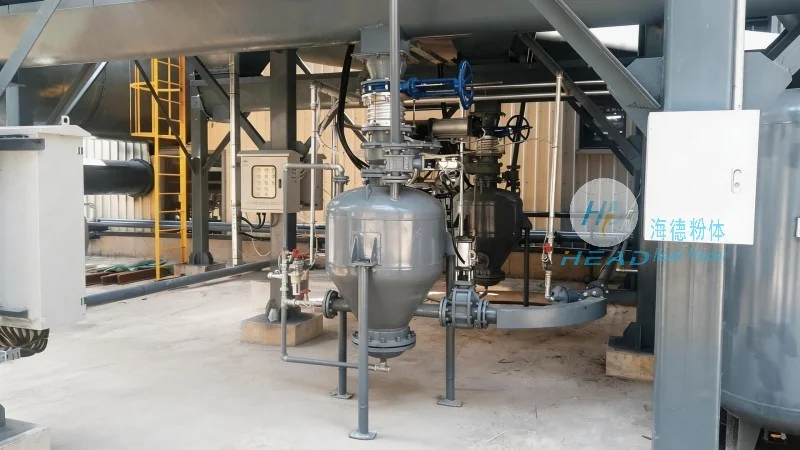
The milk powder pneumatic conveying system consists of several key components that work in tandem to ensure smooth and safe material transport. These components include the hopper for material storage, the air compressor or blower that generates the necessary air pressure, the pipeline network that carries both the powder and air, and the receiver where the material is deposited. Each component plays a vital role in maintaining the integrity of the milk powder and the efficiency of the conveying process.
The Step-by-Step Operation Process of Milk Powder Pneumatic Conveying
The operation process of a milk powder pneumatic conveying system typically follows a systematic sequence. First, the milk powder is fed into the hopper from the storage silo. The air compressor then starts, generating a flow of air that creates a pressure differential within the system. This pressure difference draws the milk powder from the hopper into the pipeline. As the air and powder mixture travels through the pipeline, the powder is suspended and transported to the receiver. The receiver is designed to separate the powder from the air, often using a cyclone separator or a filter, ensuring that the milk powder is collected in a clean and dry state. The system then returns the air to the compressor, completing the cycle. This continuous process allows for the efficient transfer of milk powder from one location to another without the need for manual handling or mechanical components that could cause contamination or damage to the product.

Working Principle: How Air and Powder Interact in the Conveying Process
The working principle of a milk powder pneumatic conveying system is based on the interaction between air and the powder particles. The system utilizes either positive pressure or negative pressure (or a combination of both) to move the material. In positive pressure systems, the air compressor forces air into the pipeline, creating a pressure higher than the ambient air, which pushes the powder forward. In negative pressure systems, the air is drawn out of the system, creating a vacuum that pulls the powder from the hopper. The velocity of the air is critical; it must be sufficient to suspend the powder particles without causing excessive wear on the equipment or excessive energy consumption. The design of the pipeline, including the size and angle of bends, is carefully engineered to maintain the optimal air-powder ratio and prevent blockages or segregation of the powder.
The Role of Shandong HeadPowder Engineering Co., Ltd. in Pneumatic Conveying Solutions
Shandong HeadPowder Engineering Co., Ltd., a prominent player in the dairy equipment manufacturing industry, specializes in the design, development, and production of advanced pneumatic conveying systems for milk powder. With a strong commitment to quality and innovation, the company leverages years of experience to provide customized solutions that meet the specific needs of clients. The company's engineers work closely with clients to understand their operational requirements, material characteristics, and production volumes, ensuring that the final system is optimized for efficiency, reliability, and cost-effectiveness. By incorporating the latest technologies and adhering to strict quality control standards, Shandong HeadPowder Engineering Co., Ltd. delivers pneumatic conveying systems that enhance the overall productivity and safety of milk powder handling processes.
Key Benefits of Using Milk Powder Pneumatic Conveying Equipment
Implementing a pneumatic conveying system for milk powder offers numerous advantages over traditional methods such as bucket elevators or belt conveyors. One of the primary benefits is the reduction in product contamination, as the system operates in a closed environment, minimizing exposure to external factors. Additionally, the system eliminates the need for manual handling, which reduces labor costs and improves workplace safety. The equipment also provides flexibility in terms of layout, as the pipeline can be installed in various configurations to accommodate different plant designs. Furthermore, the system is capable of handling a wide range of powder characteristics, including different particle sizes, moisture contents, and flow properties, making it a versatile solution for various dairy processing applications. The energy efficiency of modern pneumatic conveying systems is another significant advantage, as they can be optimized to operate with minimal power consumption while maintaining high conveying rates.
Conclusion: Enhancing Milk Powder Handling with Advanced Pneumatic Technology
In conclusion, the operation process and working principle of milk powder pneumatic conveying equipment represent a sophisticated approach to material handling in the dairy industry. By understanding the core components, the step-by-step operation, and the underlying principles of air-powder interaction, stakeholders can appreciate the efficiency and reliability of these systems. With the expertise of companies like Shandong HeadPowder Engineering Co., Ltd., the dairy industry can leverage advanced pneumatic technology to enhance production processes, ensure product quality, and improve overall operational performance. As the demand for efficient and safe handling of milk powder continues to grow, the role of pneumatic conveying systems will remain pivotal in meeting the industry's evolving needs.