

Operation Process and Working Principle of Metallurgical Coke Powder Conveying System
Metallurgical coke, as a vital raw material in the iron and steel industry, demands efficient and reliable powder conveying systems to support seamless production workflows. The operation process and working principle of a metallurgical coke powder conveying system are engineered to address the unique characteristics of coke powder, including its fine particle size, low bulk density, and propensity for dust generation. This article provides a comprehensive overview of how such systems function, focusing on the core components, operational steps, and fundamental principles that enable effective coke powder transportation.

System Overview and Key Components
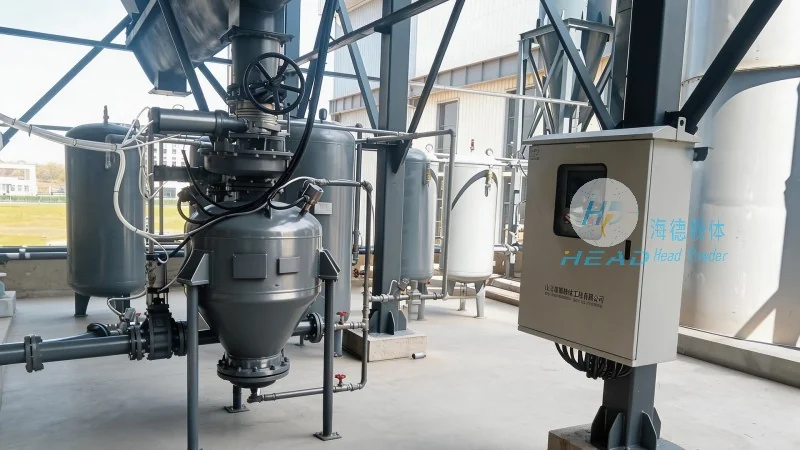
The metallurgical coke powder conveying system typically comprises several integral components that collaborate to transport coke powder from storage to processing units. The primary components include a hopper for material storage, a feeder to regulate flow rate, a conveyor system (such as pneumatic or mechanical), and a dust collection system to ensure environmental compliance. Each component is critical for maintaining the efficiency and safety of the conveying process.
Working Principle of the Conveying Process
The operation of the metallurgical coke powder conveying system initiates with the storage of coke powder in a hopper. The hopper is designed to hold sufficient material and features a smooth interior to prevent caking or blockages. A feeder, often a rotary valve or screw feeder, then controls the flow of coke powder from the hopper into the conveyor system. The feeder ensures a consistent and controlled discharge rate, which is essential for maintaining process stability.

Once the coke powder enters the conveyor system, the transportation method depends on the chosen technology. Pneumatic conveying systems utilize air pressure to move the powder through a pipeline, while mechanical systems rely on belts, buckets, or screws to transport the material. In pneumatic systems, coke powder is mixed with air and propelled through the pipeline via positive or negative pressure. Air velocity is carefully controlled to prevent particle segregation and ensure uniform flow. Mechanical conveyors, conversely, use rotating components to move the powder along a fixed path, offering a more direct and visible transport route.

Control and Monitoring Systems
To ensure optimal performance and safety, modern metallurgical coke powder conveying systems are equipped with advanced control and monitoring systems. These systems include sensors to measure flow rates, pressure, and temperature, along with control panels that allow operators to adjust parameters in real-time. The control system monitors the entire process—from initial feeding to final discharge—and can automatically adjust feeder speed or air pressure to maintain consistent material flow. Additionally, the system may incorporate alarms and safety interlocks to prevent overloading or blockages, which could lead to equipment damage or environmental hazards.
Environmental Considerations and Dust Management
Due to the fine particle size of metallurgical coke powder, dust control is a critical aspect of the conveying system. The system incorporates a dust collection system, typically a baghouse or cartridge filter, to capture and remove airborne particles. The collected dust is then returned to the hopper or disposed of according to environmental regulations. Proper maintenance of the dust collection system is essential to prevent dust emissions and ensure compliance with local air quality standards. Regular cleaning and inspection of filters and ductwork help maintain the efficiency of the dust control system and extend equipment lifespan.
Operational Efficiency and Maintenance
The efficiency of the metallurgical coke powder conveying system directly impacts overall steel plant productivity. Regular maintenance is crucial to prevent downtime and ensure consistent performance. This includes checking and replacing worn parts (e.g., conveyor belts, feeder components) and cleaning the hopper and pipeline to prevent material buildup. The system should also be inspected for signs of wear or damage, such as hopper cracks or pipeline blockages. By implementing a proactive maintenance schedule, the system can operate at peak efficiency, reducing energy consumption and minimizing equipment failure risks.