

Operation Process and Working Principle of Nanometer Calcium Carbonate Powder Conveying Equipment
HeadPowder, a leading manufacturer based in Shandong, China, specializes in the design and production of advanced powder conveying systems. The company’s core product, the nanometer calcium carbonate powder conveying equipment, is engineered to meet the precise demands of industrial applications requiring efficient and reliable material handling. This equipment is particularly suited for the transportation of nanometer calcium carbonate, a critical component in various industries such as plastics, rubber, and coatings. The following sections detail the operational process and working principles of this sophisticated system.

Key Components and System Overview
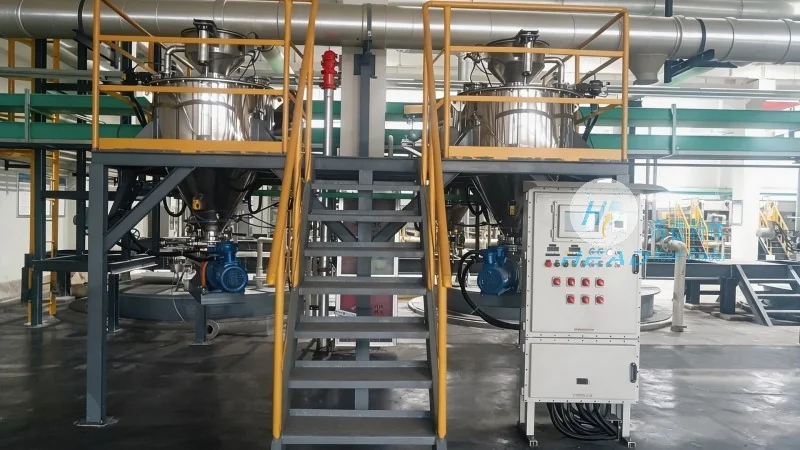
The nanometer calcium carbonate powder conveying equipment consists of several integral components that work in concert to ensure seamless material flow. The primary components include a hopper for material storage, a feeder to control the discharge rate, a conveying pipeline, and a dust collection system. The hopper is designed with a conical bottom to facilitate uniform material discharge, preventing agglomeration and ensuring consistent flow. The feeder, typically a rotary valve or a screw feeder, regulates the amount of powder released into the pipeline, maintaining a stable conveying rate. The conveying pipeline is constructed from high-quality, corrosion-resistant materials, such as stainless steel or polyethylene, to handle the abrasive nature of nanometer calcium carbonate. A dust collection system is integrated to capture and filter any airborne particles, ensuring environmental compliance and operator safety.
Operation Process: Step-by-Step
The operation of the nanometer calcium carbonate powder conveying equipment follows a systematic sequence to ensure efficient material transport. The process begins with the loading of the hopper with the required amount of nanometer calcium carbonate. Once the hopper is filled, the feeder is activated to control the discharge rate. The powder then flows from the hopper into the conveying pipeline under the influence of air pressure or mechanical force. The conveying medium, often compressed air or a combination of air and mechanical agitation, propels the powder through the pipeline to the destination point. The system is equipped with sensors and control panels that monitor the flow rate, pressure, and temperature, allowing for real-time adjustments to maintain optimal performance. The material is then discharged from the pipeline into a receiving container, completing the conveying cycle.

Working Principle: Mechanisms and Technology
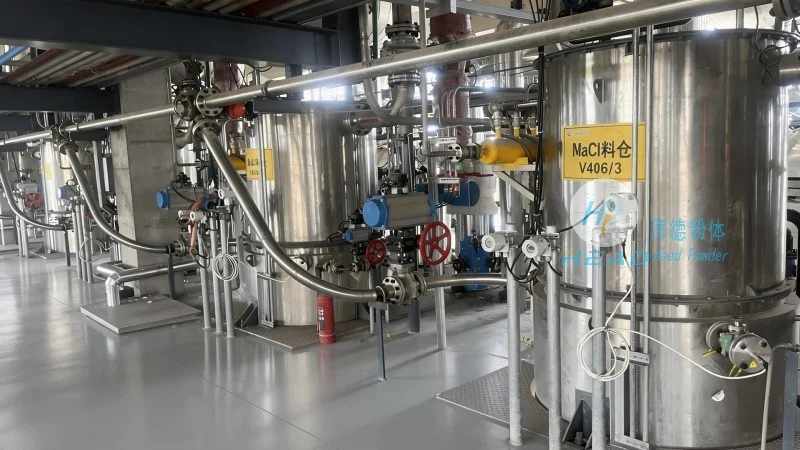
The working principle of the nanometer calcium carbonate powder conveying equipment is based on the principles of pneumatic conveying, which utilizes air as the primary medium to transport the powder. The system operates by creating a pressure differential between the hopper and the receiving end. Compressed air is introduced into the pipeline, creating a flow that entrains the powder particles and transports them through the system. The design of the conveying pipeline, including bends and fittings, is optimized to minimize pressure loss and maintain a consistent flow velocity. The feeder plays a crucial role in controlling the feed rate, as an imbalance can lead to blockages or reduced efficiency. The dust collection system operates by capturing the fine particles that may escape during the conveying process, using filters or cyclones to separate the powder from the air. This not only improves environmental performance but also prevents product contamination and equipment damage.
Advantages and Applications
The nanometer calcium carbonate powder conveying equipment offers several advantages that make it ideal for industrial applications. Its ability to handle fine powders without agglomeration ensures consistent product quality. The system’s compact design and modular components allow for easy installation and maintenance, reducing downtime and operational costs. The integration of dust collection systems enhances safety and compliance with environmental regulations. The equipment is widely used in the production of plastics, where nanometer calcium carbonate is used as a filler to improve mechanical properties and reduce costs. It is also utilized in the rubber industry for enhancing tensile strength and in coatings for improving surface finish and durability. The system’s adaptability allows it to be customized for specific application requirements, ensuring optimal performance in diverse industrial settings.