

Operation Process and Working Principle of Activated Carbon Powder Conveying Line
Activated carbon powder conveying lines are critical components in industrial applications where the efficient and safe transportation of activated carbon powder is essential. This article provides a detailed overview of the operation process and working principle of such systems, highlighting the key elements that ensure optimal performance and reliability. The following sections will explore the components, operational steps, and technical aspects that define the functionality of these conveying lines, developed by Shandong HeadPowder Engineering Co., Ltd., located in Shandong, China.
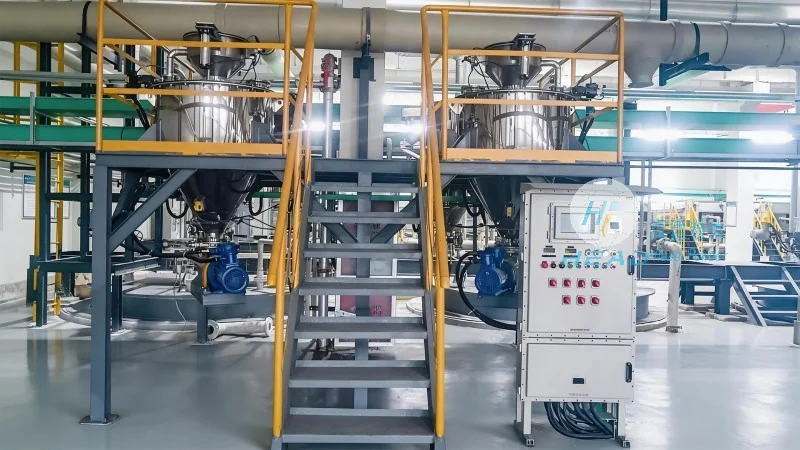
Overview of Activated Carbon Powder Conveying Lines
Activated carbon powder conveying lines are engineered systems designed to transport activated carbon powder from storage or processing areas to various destinations within an industrial facility. These systems are commonly used in industries such as water treatment, air purification, and chemical processing, where activated carbon is a vital adsorbent material. The design of these conveying lines is tailored to handle the unique properties of activated carbon powder, including its fine particle size, low bulk density, and potential for dust generation. To address these challenges, specialized equipment and control mechanisms are employed to ensure smooth and efficient operation.
Key Components of the Conveying Line
The operation of an activated carbon powder conveying line relies on several interconnected components that work in harmony to achieve the desired transportation goals. The primary components typically include a hopper for material storage, a feeder to control the flow rate, a conveyor system (such as a screw conveyor or pneumatic conveyor), and a control panel for monitoring and adjustment. Each component plays a crucial role in the overall functionality of the system.
The hopper is the initial storage unit where activated carbon powder is collected before being fed into the conveying system. It is designed to accommodate the bulk material and provide a consistent feed to the feeder. The feeder, often a rotary valve or a screw feeder, regulates the flow of powder from the hopper to the conveyor, ensuring a steady and controlled discharge rate. This control is essential to prevent overloading or underloading of the conveyor, which could lead to inefficiencies or equipment damage.
The conveyor system is the core of the conveying line, responsible for moving the activated carbon powder through the system. There are two main types of conveyors used in activated carbon powder applications: screw conveyors and pneumatic conveyors. Screw conveyors utilize a rotating screw to push the powder forward, while pneumatic conveyors use compressed air to transport the material through a pipeline. The choice between these systems depends on factors such as the distance to be covered, the volume of material to be transported, and the need for dust containment.

The control panel is a critical component that allows operators to monitor and adjust the operation of the conveying line. It typically includes sensors for measuring flow rate, pressure, and temperature, as well as control buttons and indicators for starting, stopping, and adjusting the speed of the conveyor. The control panel ensures that the system operates within safe and efficient parameters, providing real-time feedback and allowing for immediate adjustments if any issues arise.
Operation Process of the Conveying Line
The operation of an activated carbon powder conveying line follows a systematic sequence of steps that ensure the smooth and continuous movement of the material. The process begins with the loading of the hopper with activated carbon powder. Once the hopper is filled, the feeder starts to regulate the flow of powder into the conveyor system. The conveyor then transports the powder to the desired destination, such as a processing unit or a storage silo.
During the operation, the control panel continuously monitors the system's performance. Sensors detect the flow rate and pressure within the conveyor, and any deviations from the set parameters are immediately reported to the operator. If an issue is detected, such as a blockage or a low flow rate, the control panel triggers an alarm and may automatically adjust the feeder speed or stop the conveyor to prevent further problems.
The conveying line operates continuously as long as there is material in the hopper and the system is functioning properly. The speed of the conveyor can be adjusted to match the required throughput, ensuring that the system meets the production demands of the industrial facility. The entire process is automated to a large extent, reducing the need for manual intervention and minimizing the risk of human error.

Working Principle of the Conveying Line
The working principle of an activated carbon powder conveying line is based on the principles of material handling and fluid dynamics. The system uses mechanical or pneumatic forces to move the powder from one location to another, while maintaining the integrity of the material and ensuring minimal dust generation. The key principles involved include gravity, pressure, and the properties of the material being conveyed.
In a screw conveyor system, the working principle is based on the rotation of a screw, which creates a helical motion that pushes the powder forward. The screw's pitch and diameter determine the capacity and speed of the conveyor. As the screw rotates, the powder is lifted and moved along the conveyor, with the gravitational force helping to maintain the flow. The feeder controls the rate at which the powder enters the screw, ensuring a consistent flow rate.
In a pneumatic conveying system, the working principle involves the use of compressed air to create a flow of air and powder through a pipeline. The air pressure forces the powder particles to move along the pipeline, with the velocity of the air determining the speed of the material transport. The system typically includes a blower or compressor to generate the necessary air pressure, and a filter to remove any dust particles from the air before it is released back into the environment.

The working principle of both systems is designed to minimize the risk of dust generation and material degradation. The enclosed design of the conveyor system prevents the powder from coming into contact with the environment, reducing the risk of contamination and dust exposure. Additionally, the control mechanisms ensure that the system operates within safe parameters, preventing overloading or excessive pressure that could damage the equipment or cause accidents.
Benefits and Applications of Activated Carbon Powder Conveying Lines
Activated carbon powder conveying lines offer several benefits that make them essential in industrial applications. These benefits include improved efficiency, reduced labor costs, and enhanced safety. The automated operation of the system minimizes the need for manual handling of the powder, which reduces the risk of dust exposure and improves workplace safety. Additionally, the consistent flow rate and controlled speed of the conveyor ensure that the material is transported efficiently, reducing downtime and increasing productivity.
The applications of these conveying lines are diverse and span multiple industries. In water treatment facilities, activated carbon powder is used to remove impurities and contaminants from water, and the conveying line ensures that the powder is delivered to the treatment units in a controlled manner. In air purification systems, the powder is used to adsorb odors and pollutants from the air, and the conveying line transports the powder to the filtration units. In chemical processing plants, activated carbon is used as an adsorbent in various processes, and the conveying line ensures that the powder is delivered to the reactors and other processing equipment.
Overall, activated carbon powder conveying lines are critical components in industrial processes that rely on the efficient and safe transportation of activated carbon powder. The systems are designed to handle the unique properties of the material, ensuring optimal performance and reliability. By understanding the operation process and working principle of these systems, industrial facilities can ensure that their conveying lines operate efficiently and meet the production demands of their operations.