

Operation Process and Working Principle of Petrochemical Powder Handling System Equipment
HeadPowder, a leading provider in the field of powder handling technology, specializes in the design, manufacturing, and integration of advanced petrochemical powder handling systems. With a strong presence in Shandong, China, the company has established itself as a trusted partner for industries requiring reliable and efficient solutions for transporting and managing bulk powders in challenging environments.
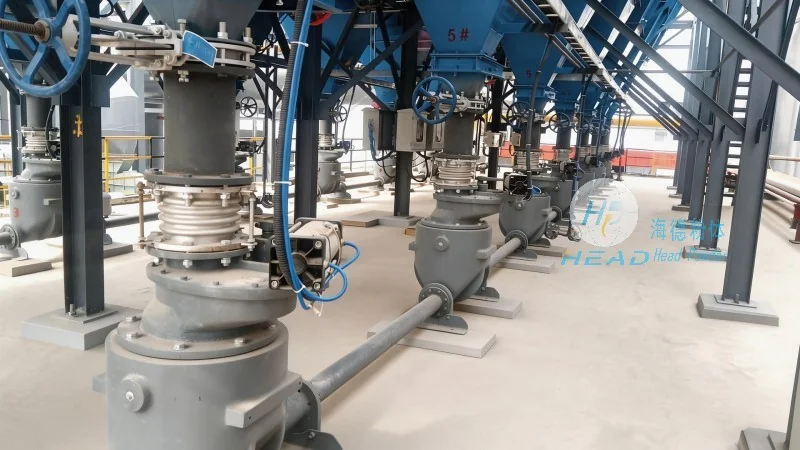
Petrochemical Powder Handling System Overview
The petrochemical powder handling system equipment developed by Shandong HeadPowder Engineering Co., Ltd. is engineered to handle a wide range of powders, including those with high moisture content, corrosive properties, or abrasive characteristics. These systems are designed to ensure safe, efficient, and continuous operation in petrochemical processing plants, refineries, and related industrial facilities. The equipment typically includes components such as feeders, conveyors, storage silos, and control systems, all working in tandem to achieve seamless material flow management.

Operation Process of the Powder Handling System
The operation process of the petrochemical powder handling system begins with the material feeding stage. In this phase, bulk powders are introduced into the system through a hopper or feeder, which may be equipped with a rotary valve or vibratory feeder to regulate the flow rate and prevent blockages. The material then moves through a conveyor system, which can be a screw conveyor, pneumatic conveyor, or a combination of both, depending on the specific application requirements. The conveyor transports the powder from the storage silo to the processing unit or discharge point. During the transport process, the system may incorporate features like air classification or drying to improve material quality and prevent caking. The entire operation is monitored and controlled by a centralized control panel, which allows operators to adjust parameters such as flow rate, pressure, and temperature in real-time to maintain optimal performance.
Working Principle of the Equipment Components
The working principle of the petrochemical powder handling system relies on the integration of several key components, each with a specific function to ensure efficient material handling. The feeders, for instance, are responsible for accurately metering the powder and preventing material buildup at the inlet. Screw feeders use rotating screws to push the material forward, while vibratory feeders utilize vibration to move the powder along a trough. The conveyors, whether mechanical or pneumatic, transfer the material through a pipeline or open channel. Pneumatic conveyors use compressed air to create a flow of air and powder, while mechanical conveyors rely on gravity or motor-driven mechanisms. Storage silos are used to store large quantities of powder, providing a buffer between production and processing stages. The control system, often based on PLC (Programmable Logic Controller) technology, coordinates the operation of all components, ensuring that the system runs smoothly and safely. Sensors and indicators are integrated to monitor critical parameters like pressure, temperature, and flow rate, alerting operators to any deviations or potential issues.
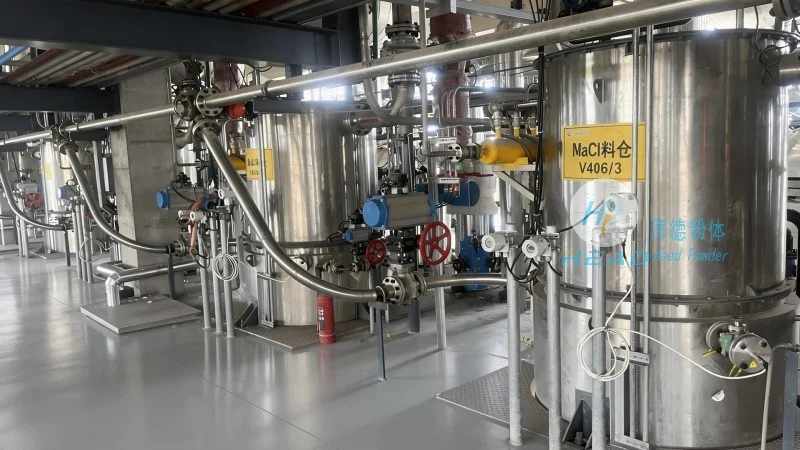
Technical Features and Advantages
Shandong HeadPowder Engineering Co., Ltd. offers petrochemical powder handling systems with several technical features that enhance performance and reliability. These include corrosion-resistant materials, such as stainless steel or special alloys, to withstand harsh chemical environments. The systems are also equipped with dust collection and filtration systems to ensure compliance with environmental regulations and maintain a safe working environment. Additionally, the equipment is designed for easy maintenance and cleaning, with access panels and removable components that allow for quick inspection and repair. The use of advanced control systems enables precise control over the entire process, reducing waste and improving product quality. The company's expertise in customizing solutions ensures that the equipment can be tailored to meet the specific needs of each client, whether for small-scale or large-scale operations.