

Operation Process and Working Principle of Cotton Fiber Material Conveying
Shandong HeadPowder Engineering Co., Ltd., a leading provider in the field, specializes in the design, manufacturing, and implementation of efficient cotton fiber material conveying systems. These systems are crucial for industries that rely on cotton processing, ensuring smooth material handling from raw fiber to finished products. The company’s expertise lies in understanding the unique characteristics of cotton fibers and developing solutions that optimize performance, reliability, and operational efficiency.
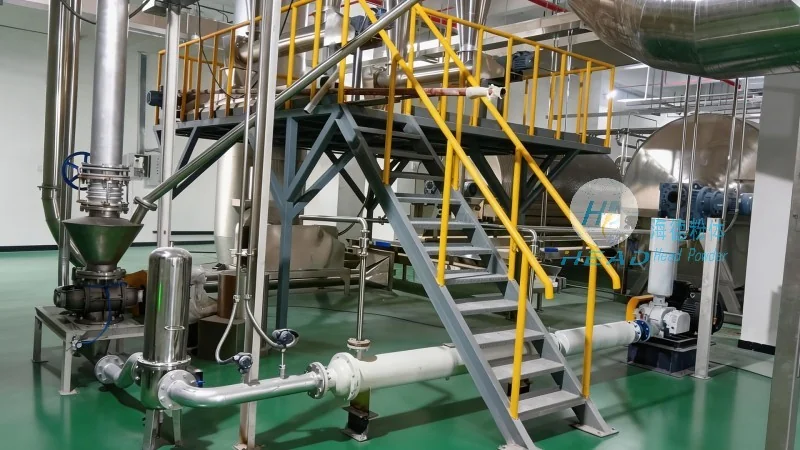
Key Components and Their Roles in the Conveying Process
The operation of cotton fiber material conveying systems involves several critical components that work in tandem to ensure seamless material transport. At the core of the system is the feeding mechanism, which accurately delivers raw cotton fibers into the conveying path. This is often followed by a series of processing units, such as cleaning or blending equipment, that enhance the quality of the material before it moves to the next stage. The conveying mechanism itself, which may include belts, screws, or pneumatic systems, is designed to handle the delicate nature of cotton fibers without causing damage or degradation. Each component is carefully engineered to maintain the integrity of the cotton while maximizing throughput and minimizing downtime.

Step-by-Step Operation Process of Cotton Fiber Conveying
The operation process of cotton fiber material conveying systems typically follows a structured sequence of steps. Initially, raw cotton bales or loose fibers are fed into the system via a hopper or feeder. The material is then subjected to a series of pre-processing operations, including cleaning to remove impurities like dirt, leaves, or seeds, and blending to ensure uniformity in fiber quality. Once cleaned and blended, the fibers are transferred to the main conveying section. Here, the system uses a combination of mechanical and pneumatic forces to move the fibers through the pipeline or conveyor belt. The conveying speed and pressure are precisely controlled to maintain the flow rate and prevent blockages or jams. At the end of the conveying path, the fibers are discharged into a storage bin or directly to the next processing stage, such as spinning or weaving. This step-by-step approach ensures that each stage of the process is optimized for efficiency and product quality.
Working Principle of Cotton Fiber Material Conveying Systems
The working principle of cotton fiber material conveying systems is based on the principles of mechanical and pneumatic transport, tailored to the specific properties of cotton fibers. The system operates by converting energy into motion to move the fibers from one location to another. In mechanical conveying systems, such as screw conveyors or belt conveyors, the movement is achieved through the rotation of screws or the tension of belts, which push or pull the fibers along the conveying path. These systems are particularly effective for handling bulk materials and maintaining a consistent flow rate. Pneumatic conveying systems, on the other hand, use compressed air to create a flow of air and fibers through a pipeline. This method is ideal for transporting fine or delicate fibers over longer distances without the need for mechanical contact, reducing the risk of fiber damage. The working principle also involves the use of sensors and control systems to monitor the flow rate, pressure, and temperature, ensuring that the system operates within optimal parameters. By integrating these principles, the conveying systems provide a reliable and efficient method for handling cotton fibers, meeting the demands of modern textile manufacturing.

Benefits and Advantages of Efficient Cotton Fiber Conveying
Implementing advanced cotton fiber material conveying systems offers numerous benefits to textile manufacturers. Firstly, these systems significantly improve operational efficiency by reducing manual labor and minimizing downtime. The automated feeding and processing stages allow for continuous operation, increasing the overall throughput of the production line. Secondly, the systems enhance product quality by maintaining the integrity of the cotton fibers throughout the conveying process. By avoiding mechanical damage or contamination, the final products exhibit better consistency and performance. Thirdly, the energy efficiency of modern conveying systems reduces operational costs, making the process more sustainable and cost-effective. Additionally, the modular design of these systems allows for easy integration with existing production lines, providing flexibility for manufacturers to adapt to changing production needs. These advantages collectively contribute to a more competitive and sustainable operation in the textile industry.