

Operation Process and Working Principle of Coking Coal and Limestone Powder Material Handling
Understanding the material handling process for coking coal and limestone powder is crucial for optimizing industrial operations, particularly in the steel and cement sectors where these raw materials are essential. The efficient transportation and processing of these powders directly impact production efficiency, cost management, and overall plant performance. This article delves into the operational procedures and underlying principles governing the handling of coking coal and limestone powder, providing insights into the technology and methodologies employed by industry leaders such as Shandong HeadPowder Engineering Co., Ltd.

Overview of Material Handling Systems for Coking Coal and Limestone Powder
The material handling system for coking coal and limestone powder typically involves a series of interconnected components designed to ensure safe, reliable, and efficient transport from storage to processing units. Key elements include storage silos, conveyor systems, feeding mechanisms, and control systems. These components work in tandem to maintain consistent material flow, minimize downtime, and enhance operational safety. The design of such systems is tailored to the specific characteristics of the materials, including their particle size, moisture content, and bulk density, to ensure optimal performance.
Key Components and Their Functions in the Material Handling Process
At the core of the material handling process are several critical components that facilitate the movement and management of coking coal and limestone powder. Storage silos, often made of steel or concrete, are used to store raw materials in bulk, providing a stable and controlled environment. These silos are equipped with level sensors and pressure monitoring systems to ensure safe operation and prevent overfilling. The feeding mechanisms, such as rotary valves or screw conveyors, regulate the flow of material from the silos to the conveyor systems. These components are designed to handle the abrasive nature of coking coal and limestone powder, minimizing wear and tear and extending equipment lifespan.
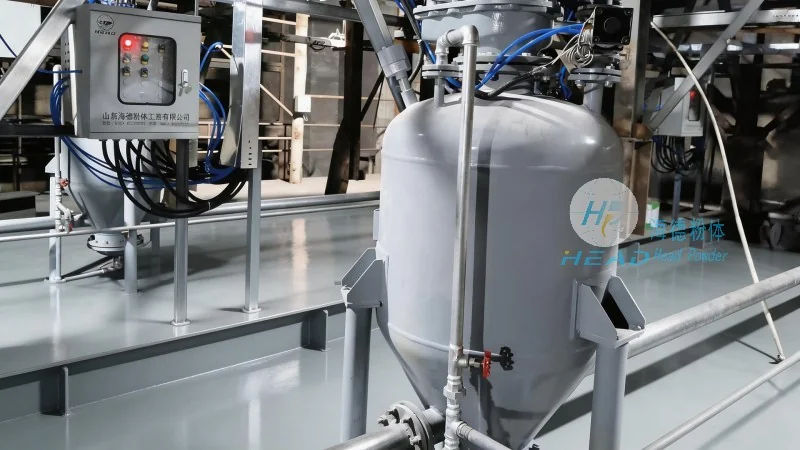
The Conveyor System: The Heart of Material Transport
The conveyor system is the central component responsible for transporting coking coal and limestone powder from storage to processing areas. There are several types of conveyors used in industrial applications, including belt conveyors, chain conveyors, and pneumatic conveyors. Belt conveyors are commonly used for bulk material handling due to their high capacity and durability. They consist of a continuous belt that moves over rollers, transporting the material from the inlet to the outlet. The speed and inclination of the conveyor can be adjusted to control the flow rate and ensure smooth material movement. For limestone powder, which is often fine and dusty, pneumatic conveyors may be employed to transport the material through a network of pipes using air pressure, reducing dust emissions and improving safety.
Control and Monitoring Systems: Ensuring Process Efficiency
Modern material handling systems for coking coal and limestone powder are equipped with advanced control and monitoring systems to optimize performance and ensure safety. These systems include sensors, controllers, and software that monitor key parameters such as flow rate, pressure, temperature, and material level. Real-time data is collected and analyzed to detect anomalies or inefficiencies, allowing operators to take corrective actions promptly. The control systems can be programmed to adjust conveyor speeds, feeding rates, and other parameters based on production demands, ensuring that the material handling process remains efficient and cost-effective. Additionally, these systems help in maintaining compliance with safety regulations and environmental standards by controlling dust emissions and preventing accidents.

Operational Workflow: From Storage to Processing
The operational workflow for handling coking coal and limestone powder typically follows a sequential process. First, the raw materials are stored in silos, where they are kept in a controlled environment to prevent moisture absorption or degradation. Next, the material is fed from the silos into the conveyor system using feeding mechanisms. The conveyor transports the material to the processing units, such as crushers or mixers, where it is further processed. The entire process is monitored and controlled by the system's control panel, which provides real-time data and alerts for any issues. This workflow ensures that the material is handled efficiently and safely, from storage to final processing.

Advantages of Efficient Material Handling for Coking Coal and Limestone Powder
Efficient material handling of coking coal and limestone powder offers several advantages for industrial operations. Firstly, it improves production efficiency by ensuring a consistent and uninterrupted supply of raw materials to processing units. This reduces downtime and increases overall plant output. Secondly, it enhances cost management by minimizing material waste and reducing the need for manual handling, which can be labor-intensive and costly. Thirdly, it improves safety by reducing the risk of accidents associated with manual handling and dust exposure. Additionally, efficient material handling helps in maintaining environmental compliance by controlling dust emissions and preventing pollution. For companies like Shandong HeadPowder Engineering Co., Ltd., implementing advanced material handling systems is a key strategy to enhance operational performance and stay competitive in the market.
Conclusion: The Importance of Understanding Material Handling Principles
In conclusion, the operation process and working principle of coking coal and limestone powder material handling are critical for optimizing industrial operations. The efficient design and implementation of material handling systems, including storage, conveyor, and control components, are essential for ensuring smooth and safe material transport. By understanding the underlying principles and employing advanced technology, companies can enhance their production efficiency, reduce costs, and improve safety. As a leading provider in the field, Shandong HeadPowder Engineering Co., Ltd. continues to innovate and provide solutions that meet the evolving needs of the industry, ensuring that material handling processes remain efficient and reliable.