

Operation Process and Working Principle of Fully Automatic Material Handling System
At Shandong HeadPowder Engineering Co., Ltd., we specialize in the design, development, and implementation of advanced fully automatic material handling systems. These systems are engineered to optimize material flow, enhance operational efficiency, and reduce human intervention in various industrial applications. The following sections detail the typical operation process and underlying working principles of such systems, highlighting the key components and their integrated functionality.
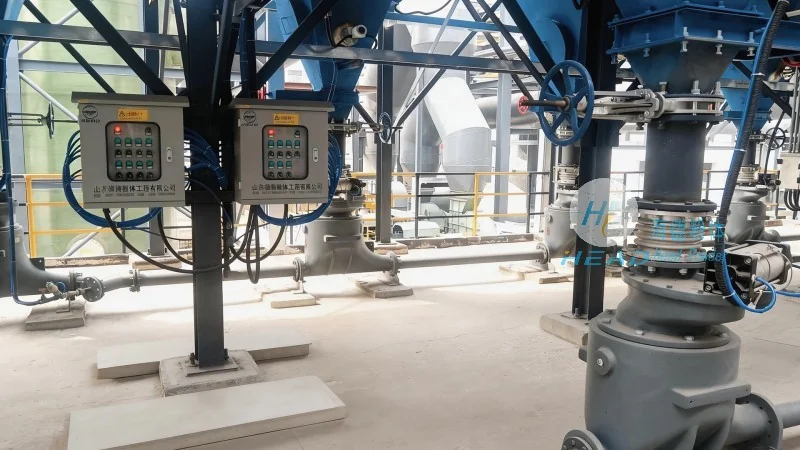
Key Components and System Architecture
Every fully automatic material handling system comprises several critical components that work in tandem to ensure seamless material movement. The primary elements include: input and output stations, conveyor systems (such as belt, roller, or chain conveyors), sorting mechanisms, storage units (like automated storage and retrieval systems - AS/RS), control panels, and a central processing unit (CPU) that coordinates all operations. Each component is strategically positioned to facilitate the smooth transition of materials from one stage to the next, minimizing bottlenecks and maximizing throughput.
The Operation Process: Step-by-Step Overview
The operation of a fully automatic material handling system typically follows a standardized sequence of steps, ensuring consistent and reliable performance. The process begins with the material intake phase, where raw materials or finished products are loaded into the system at designated input stations. This may involve automated feeding mechanisms, such as hoppers or loading docks, that transfer items onto the primary conveyor system. Once materials are on the conveyor, they proceed to the sorting and inspection stage. Advanced systems may incorporate sensors, cameras, or weight scales to verify product quality, identify defects, or sort items based on specific criteria (e.g., size, weight, or destination). After inspection, the system directs materials to the appropriate processing or storage locations.
Next, the system enters the transport and routing phase. Conveyors, guided by programmable logic controllers (PLCs) or robotics, move materials through the facility according to pre-defined routes. The routing logic is often based on real-time data, such as inventory levels, production schedules, or demand forecasts, ensuring that materials are delivered to the correct workstations or storage areas efficiently. For instance, in a manufacturing plant, parts may be routed to assembly lines, while in a warehouse, goods are directed to specific shelves or picking stations.

The final stage of the operation process involves storage and retrieval. Automated storage and retrieval systems (AS/RS) or robotic storage units are used to store excess materials or finished products in high-density storage areas. These systems use vertical or horizontal movement mechanisms to retrieve items when needed, reducing the need for manual stock management. The retrieval process is triggered by the central control system, which coordinates with the conveyor network to ensure that materials are delivered to the output stations in a timely manner.
Working Principles: How the System Operates Internally
The working principles of a fully automatic material handling system revolve around the integration of mechanical, electrical, and software components. The central processing unit (CPU) acts as the brain of the system, receiving input from sensors, user interfaces, and external systems (e.g., enterprise resource planning - ERP software). It processes this data and sends control signals to various components, such as motors, actuators, and sorting mechanisms. The system employs feedback loops to monitor performance and adjust operations in real time, ensuring that any deviations from the planned process are corrected promptly.
Conveyor systems are a critical part of the mechanical foundation, providing the primary means of material transport. Belt conveyors, for example, use a continuous loop of rubber or plastic belts to move items horizontally or at slight inclines. Roller conveyors, on the other hand, utilize rotating rollers to support and move items, making them suitable for heavier loads. The choice of conveyor type depends on the material characteristics (e.g., size, weight, shape) and the required speed of operation. In automated systems, conveyors are often equipped with sensors and controls to detect items, adjust speed, or redirect them as needed.
Sorting mechanisms are another key component, enabling the system to separate materials based on specific attributes. These mechanisms may include air jets, vibratory screens, or optical sensors. For example, in a sorting system for packaged goods, optical sensors can detect color, shape, or barcodes, and direct items to different output chutes. The sorting logic is programmed into the control system, allowing for flexible adjustments to accommodate changing production requirements or product specifications.

Control systems, typically based on PLCs or industrial computers, manage the entire operation. They receive input from various sensors (e.g., proximity sensors, weight scales, cameras) and process this data to generate control signals for motors, valves, and other actuators. The control system also communicates with the central processing unit, ensuring that all components operate in sync. Modern systems often incorporate artificial intelligence (AI) or machine learning algorithms to optimize performance, predict maintenance needs, and adapt to changing operational conditions.
Benefits and Applications of Fully Automatic Material Handling Systems
The implementation of fully automatic material handling systems offers numerous advantages for industrial operations. By reducing human intervention, these systems minimize the risk of errors, improve safety, and enhance productivity. The integration of advanced sensors and control systems allows for real-time monitoring and adjustment, ensuring that materials are handled efficiently and accurately. Additionally, automated systems can operate 24/7, increasing throughput and reducing downtime compared to manual processes.
These systems are widely used in various industries, including manufacturing, logistics, and warehousing. In manufacturing, they streamline the flow of raw materials to production lines and finished products to packaging stations. In logistics, they optimize the movement of goods between warehouses, distribution centers, and retail outlets. In warehousing, they enable efficient inventory management, reducing the time and labor required for stock replenishment and order fulfillment.