

Operation Process and Working Principle of Polypropylene Material Handling Equipment
For industries dealing with polypropylene materials, efficient and reliable material handling is crucial for maintaining production efficiency and ensuring product quality. The equipment designed for polypropylene material transport plays a vital role in the entire production process. This article will introduce the operation process and working principle of polypropylene material handling equipment, providing a comprehensive understanding of its functionality and application.

Company Overview: Shandong HeadPowder Engineering Co., Ltd.
As a professional manufacturer in the field of material handling equipment, Shandong HeadPowder Engineering Co., Ltd. specializes in providing high-quality solutions for various industrial material transport needs. With years of experience and a strong technical team, the company has established itself as a trusted partner in the industry. The headquarters is located in Shandong, China, where advanced manufacturing facilities and rigorous quality control systems are in place to ensure the excellence of each product.
Key Components and Structure of Polypropylene Material Handling Equipment
Polypropylene material handling equipment typically consists of several key components that work together to achieve efficient material transport. The main parts include the feeding system, conveying mechanism, control system, and safety devices. The feeding system is responsible for uniformly supplying polypropylene materials into the equipment. The conveying mechanism, often using screw conveyors or belt conveyors, moves the materials along the designated path. The control system manages the operation of the equipment, ensuring smooth and safe operation. Safety devices are integrated to prevent accidents and protect operators from potential hazards.
Operation Process of Polypropylene Material Handling Equipment
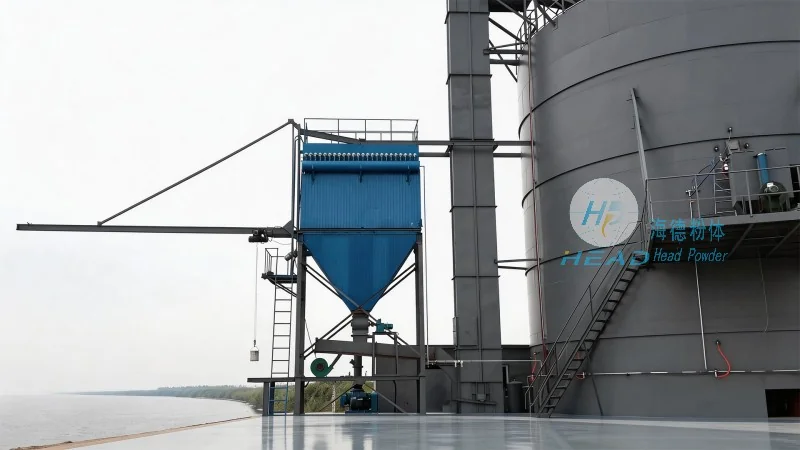
The operation process of polypropylene material handling equipment generally follows a series of steps to ensure the smooth transport of materials. First, the polypropylene materials are loaded into the feeding hopper. The feeding mechanism then evenly distributes the materials into the conveying section. The conveying mechanism, driven by motors, moves the materials forward along the conveyor path. At the discharge end, the materials are collected and transferred to the next production stage. The control system continuously monitors the operation parameters, such as speed, pressure, and temperature, to maintain optimal performance. Operators can adjust the settings according to the material characteristics and production requirements to ensure efficient operation.
Working Principle of Polypropylene Material Handling Equipment
The working principle of polypropylene material handling equipment is based on mechanical and hydraulic systems that work in tandem to achieve material transport. The feeding system uses gravity or mechanical force to move the materials into the conveying channel. The conveying mechanism, such as a screw conveyor, rotates to push the materials forward. The control system regulates the speed and torque of the motor to control the conveying speed. Safety devices, including sensors and alarms, detect any abnormalities and stop the equipment to prevent damage or accidents. The entire system is designed to handle polypropylene materials efficiently, minimizing material loss and ensuring consistent product quality.
Advantages of Polypropylene Material Handling Equipment
Using polypropylene material handling equipment offers several advantages for industrial applications. Firstly, it enhances production efficiency by automating the material transport process, reducing manual labor and increasing throughput. Secondly, it ensures consistent material quality by maintaining uniform feeding and conveying conditions. Thirdly, it improves safety by integrating multiple safety devices that prevent accidents and protect operators. Additionally, the equipment is designed to be durable and low-maintenance, reducing long-term operational costs. These advantages make polypropylene material handling equipment an essential component in modern industrial production lines.

Application Scenarios of Polypropylene Material Handling Equipment
Polypropylene material handling equipment is widely used in various industries, including plastics manufacturing, chemical processing, and food processing. In the plastics industry, it is commonly used for transporting polypropylene pellets or granules from storage to processing machines. In chemical processing, it helps move polypropylene powders or flakes through different stages of production. In food processing, it ensures hygienic and efficient transport of polypropylene-based packaging materials. The equipment's adaptability to different material forms and production environments makes it suitable for a wide range of applications.
Maintenance and Troubleshooting for Polypropylene Material Handling Equipment
To ensure the long-term performance and reliability of polypropylene material handling equipment, regular maintenance is essential. The maintenance tasks include cleaning the conveying channels, checking the motor and gearbox for wear, lubricating moving parts, and inspecting safety devices. Regular maintenance helps prevent breakdowns and extends the equipment's service life. In case of equipment malfunction, troubleshooting steps should be taken to identify and resolve the issues. Common problems include blockages in the conveying system, motor overheating, or control system errors. By following the manufacturer's guidelines and performing regular checks, operators can maintain the equipment in optimal condition and minimize downtime.