

Operation Process and Working Principle of Sodium Sulphate Material Conveying Line
Understanding the operation process and working principle of a sodium sulphate material conveying line is crucial for optimizing industrial production efficiency and ensuring safe material handling. This system is designed to transport sodium sulphate, a key industrial chemical, from storage to processing or packaging areas with precision and reliability. The following sections detail the operational workflow and technical principles behind such a system, highlighting the components and mechanisms that enable smooth material movement.
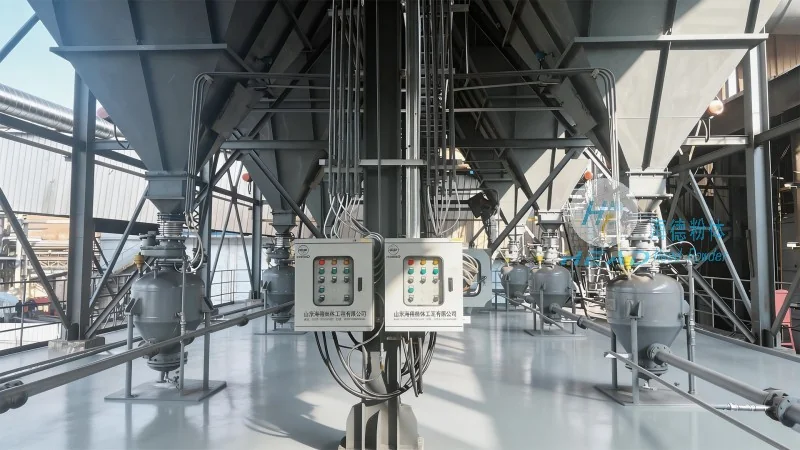
Overview of Sodium Sulphate Material Conveying Systems
Sodium sulphate, also known as Glauber's salt, is widely used in various industries including detergents, glass manufacturing, and paper production. Efficient transportation of this bulk material is essential to maintain production continuity and minimize downtime. A typical conveying line for sodium sulphate consists of several key components, including hoppers, feeders, conveyors (such as belt or screw conveyors), control systems, and safety mechanisms. These components work in tandem to ensure the material is moved safely and efficiently from its source to its destination.
Key Components and Their Functions
Each component in the sodium sulphate conveying line plays a specific role in the overall operation. The hopper serves as the initial storage and feeding point, where the material is collected and prepared for transport. The feeder, often a rotary or vibratory type, regulates the flow rate of the material into the conveyor, preventing overloading and ensuring consistent feed. The conveyor system, which may be a belt conveyor for bulk material or a screw conveyor for more controlled movement, transports the sodium sulphate through the line. Control systems, including sensors and programmable logic controllers (PLCs), monitor the process and adjust parameters as needed to maintain optimal performance. Safety features, such as emergency stop buttons and overload protection, are integrated to safeguard operators and equipment.
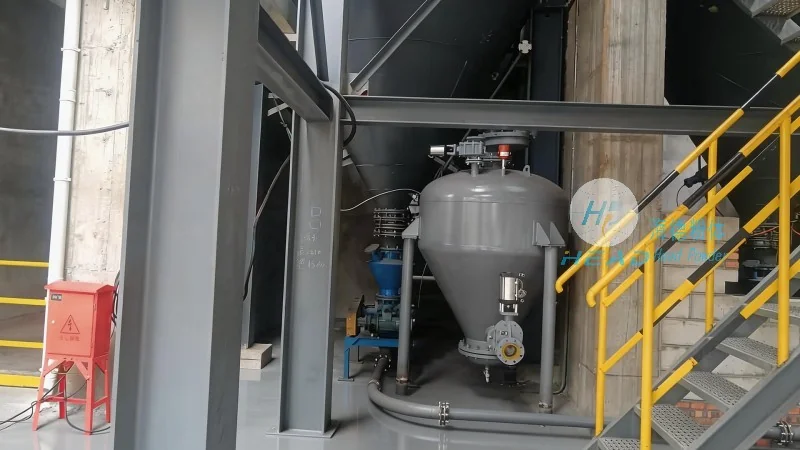
Operation Process: Step-by-Step Workflow
The operation of a sodium sulphate material conveying line follows a systematic sequence of steps. The process begins with material being loaded into the hopper from a storage silo or truck. The feeder then activates, controlling the flow of sodium sulphate into the conveyor. As the material moves along the conveyor, it is transported to the next stage of the production process, such as a mixer or packaging unit. The control system continuously monitors the flow rate, pressure, and temperature to ensure the process runs smoothly. If any abnormal conditions are detected, the system automatically triggers safety protocols to prevent damage or accidents. This step-by-step workflow ensures that the material is handled efficiently and safely throughout the entire conveying process.
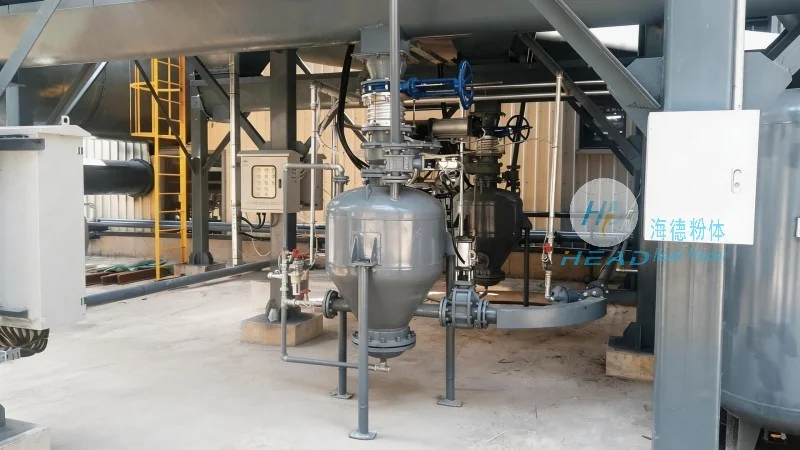
Working Principle: Mechanical and Control Mechanisms
The working principle of a sodium sulphate material conveying line combines mechanical movement with advanced control technology. The mechanical part involves the conveyor system, which uses friction or screw action to move the material. For example, a belt conveyor uses a motor-driven pulley to move a belt, which carries the material along its path. A screw conveyor, on the other hand, uses a rotating screw to push the material forward. The control mechanisms, including sensors and PLCs, provide real-time data on the system's performance, allowing for adjustments to be made quickly. This integration of mechanical and control systems ensures that the conveying line operates with high precision and reliability, minimizing energy consumption and maximizing material throughput.
Company Profile: Shandong HeadPowder Engineering Co., Ltd.
Shandong HeadPowder Engineering Co., Ltd., operating under the brand name headpowder, specializes in the design, manufacturing, and installation of industrial material handling systems. With a focus on sodium sulphate and other bulk materials, the company has extensive experience in developing customized conveying solutions tailored to specific industrial needs. Headpowder's team of engineers and technicians utilizes advanced technology and rigorous quality control to ensure that each conveying line meets the highest standards of performance and safety. The company's headquarters is located in Shandong, China, where it serves clients globally with reliable and efficient material handling solutions.