

Operation Process and Working Principle of Resin Granule Material Conveying System Equipment
Resin granule material conveying system equipment is a specialized piece of machinery designed to efficiently transport resin granules from one location to another within industrial settings. These systems are crucial for maintaining smooth production workflows in industries such as plastics manufacturing, chemical processing, and material handling. The equipment operates by integrating various components that work in tandem to ensure reliable and consistent material movement. Understanding the operation process and working principle of these systems is essential for optimizing performance and troubleshooting potential issues. Developed by Shandong HeadPowder Engineering Co., Ltd., a leading manufacturer in the field, this equipment is engineered to meet the demanding requirements of modern industrial applications.

Key Components of the Resin Granule Conveying System
The resin granule material conveying system typically consists of several key components that collaborate to achieve effective material transport. The primary components include a hopper or feed hopper for material storage, a conveyor mechanism (such as a screw conveyor or belt conveyor), a control system for operation, and a discharge outlet for the transported material. Each component plays a vital role in the overall functionality of the system. The hopper is responsible for holding the resin granules and providing a controlled feed to the conveyor. The conveyor mechanism then moves the granules through the system, while the control system manages the speed and direction of the operation. The discharge outlet allows the material to be released at the desired location, completing the transport process. The design of these components is optimized to ensure minimal material loss and maximum efficiency in the conveying process.
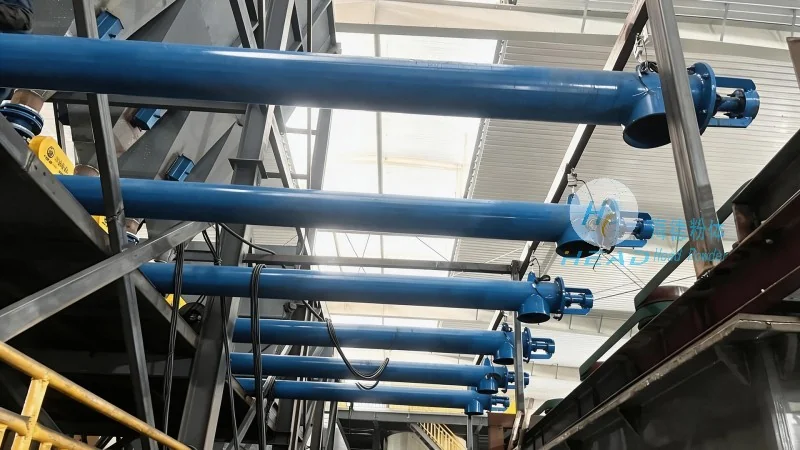
Operation Process of the Resin Granule Conveying System
The operation process of the resin granule material conveying system begins with the loading of resin granules into the hopper. The hopper is designed to hold a sufficient quantity of material to ensure continuous operation without frequent refilling. Once the hopper is filled, the control system activates the conveyor mechanism. The conveyor then starts moving, drawing the resin granules from the hopper and transporting them along the conveyor path. The speed of the conveyor can be adjusted based on the specific requirements of the application, such as the size of the resin granules and the desired throughput rate. As the granules move through the conveyor, they are gradually discharged at the outlet. The control system monitors the flow rate and adjusts the conveyor speed as needed to maintain a consistent output. This process ensures that the resin granules are transported efficiently and without interruption, minimizing downtime and maximizing productivity. The system is designed to handle various types of resin granules, including different sizes and densities, making it versatile for diverse industrial needs.
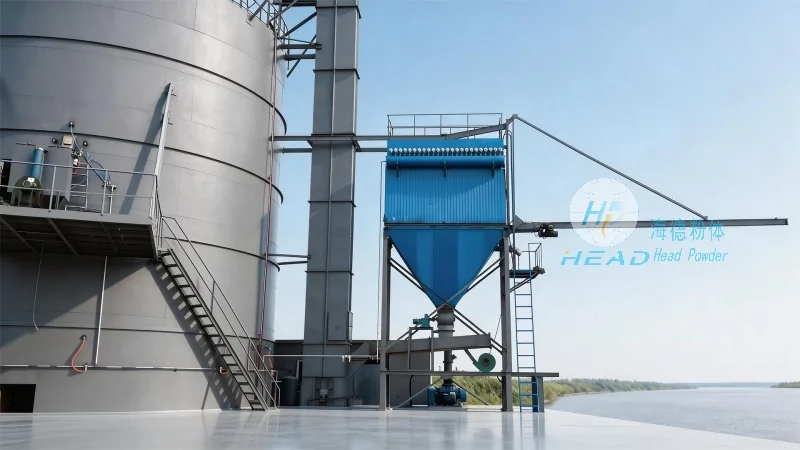
Working Principle of the Resin Granule Conveying System
The working principle of the resin granule material conveying system is based on mechanical energy transfer and material flow dynamics. The system utilizes a conveyor mechanism that applies a force to the resin granules, causing them to move from the hopper to the discharge outlet. The conveyor may be a screw conveyor, which uses a rotating screw to push the granules forward, or a belt conveyor, which uses a moving belt to transport the material. The control system regulates the speed and direction of the conveyor, ensuring that the material is moved at an optimal rate. The hopper provides a controlled environment for the material, preventing it from spilling or causing blockages. The discharge outlet is designed to release the material smoothly, avoiding any sudden stops or jams. The entire system operates based on the principles of gravity and mechanical force, with the conveyor providing the necessary energy to move the resin granules. This working principle allows for efficient and reliable material transport, making the system suitable for various industrial applications. The integration of these principles ensures that the system can handle high volumes of resin granules while maintaining consistent performance.
Benefits and Applications of the Resin Granule Conveying System
The resin granule material conveying system offers several benefits that make it an essential component in many industrial processes. One of the primary benefits is its ability to transport resin granules efficiently and consistently, reducing the risk of material loss or contamination. The system also minimizes the need for manual handling, improving workplace safety and reducing labor costs. Additionally, the adjustable speed and control features allow for flexibility in accommodating different resin granule sizes and production requirements. The system is widely used in the plastics industry for transporting resin granules to extrusion machines, molding equipment, and other processing units. It is also used in chemical processing facilities to move resin granules between storage and processing areas. The reliability and efficiency of the system make it a preferred choice for industries that require consistent and high-volume material transport. Furthermore, the system's design allows for easy integration into existing production lines, reducing the need for extensive modifications and minimizing disruption to operations.

Maintenance and Troubleshooting for the Resin Granule Conveying System
Proper maintenance is crucial for ensuring the long-term performance and reliability of the resin granule material conveying system. Regular maintenance tasks include cleaning the hopper and conveyor to prevent material buildup and blockages, checking the conveyor belt or screw for wear and tear, and inspecting the control system for any malfunctions. It is important to follow the manufacturer's guidelines for maintenance to avoid damaging the equipment. Troubleshooting common issues can help in maintaining the system's efficiency. For example, if the conveyor is not moving the material at the desired speed, it may be due to a blockage in the hopper or a worn-out conveyor component. Checking the hopper for obstructions and replacing worn parts can resolve these issues. Additionally, ensuring that the control system is properly calibrated can help in maintaining the correct speed and direction of the conveyor. Regular maintenance and timely troubleshooting can extend the lifespan of the system and reduce downtime, contributing to overall operational efficiency. The system's design incorporates features that facilitate easy maintenance, such as accessible components and clear indicators for potential issues, making it user-friendly for maintenance personnel.