

Operation Process and Working Principle of Vacuum-Pressure Mixed Powder Pneumatic Conveying
For industrial applications requiring efficient and reliable powder handling, the vacuum-pressure mixed powder pneumatic conveying system offers a versatile solution. This technology combines the advantages of both vacuum and pressure conveying methods to achieve optimal performance in transporting bulk powders over varying distances and through complex system configurations. The system is designed to handle a wide range of powder types, including fine, cohesive, or abrasive materials, making it suitable for diverse industries such as pharmaceuticals, food processing, chemical manufacturing, and more.
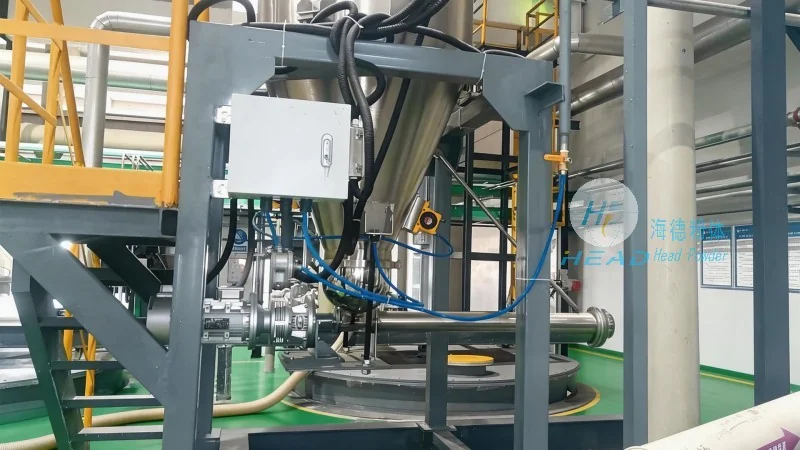
Company Overview
HeadPowder, or Shandong HeadPowder Engineering Co., Ltd., is a leading provider of advanced powder handling solutions. With headquarters located in Shandong, China, the company specializes in the design, manufacturing, and integration of pneumatic conveying systems tailored to meet the specific needs of clients across various sectors. HeadPowder's commitment to innovation and quality ensures that their products deliver consistent performance and reliability in demanding operational environments.
System Components and Working Principle
The vacuum-pressure mixed powder pneumatic conveying system operates by integrating both vacuum and pressure stages to enhance material transport efficiency. The process begins with the material being fed into the system, typically via a hopper or feeder, where it is then drawn into the conveying line under vacuum conditions. This initial stage allows for the initial collection and initial transport of the powder, ensuring that the material is pulled through the system with minimal resistance. As the material progresses, the system transitions to a pressure stage, where compressed air is introduced to boost the conveying velocity and overcome any remaining resistance or obstacles in the line.
Key components of the system include the vacuum pump, pressure blower, conveying line, and various control valves and sensors. The vacuum pump creates the necessary suction force to initiate material movement, while the pressure blower provides the additional pressure required for efficient transport. The conveying line, often made of durable materials such as stainless steel or plastic, is designed to withstand the pressures and temperatures associated with the powder handling process. Control valves and sensors are integrated to monitor and regulate the flow of air and material, ensuring smooth operation and preventing system overloads or blockages.

Operation Process
The operation of the vacuum-pressure mixed powder pneumatic conveying system follows a systematic sequence to ensure efficient material transport. The process starts with the material being loaded into the feeding hopper. The vacuum stage then activates, creating a negative pressure that draws the powder into the conveying line. As the material moves through the line, the system monitors the flow rate and pressure, adjusting the vacuum and pressure levels as needed to maintain optimal performance. Once the material reaches the discharge point, the pressure stage may be engaged to assist in the final delivery of the powder to the receiving vessel or storage container. The system then returns to its idle state, ready for the next batch of material to be processed.
Advantages of Vacuum-Pressure Mixed Conveying
Compared to traditional vacuum or pressure conveying methods, the vacuum-pressure mixed system offers several advantages that make it ideal for challenging powder handling applications. One of the primary benefits is the enhanced flexibility in conveying distances and system configurations. By combining both suction and pressure capabilities, the system can handle longer transport distances and navigate complex layouts, such as vertical lifts or multiple branch lines, with ease. Additionally, the mixed approach provides better control over material flow, reducing the risk of blockages or material degradation that can occur with single-stage conveying methods.
Another key advantage is the improved energy efficiency. The vacuum stage allows for the initial transport of material with lower air consumption, while the pressure stage provides the necessary boost without excessive energy use. This balanced approach minimizes operational costs and reduces the environmental impact of the system. Furthermore, the system's ability to handle a wide range of powder characteristics, including fine powders that are prone to caking or abrasive materials that can damage equipment, makes it a versatile solution for various industrial needs.

Applications and Industries
The vacuum-pressure mixed powder pneumatic conveying system is widely used across multiple industries due to its adaptability and efficiency. In the pharmaceutical industry, the system is employed to handle sensitive powders, such as active pharmaceutical ingredients (APIs) and excipients, ensuring that the material is transported without contamination or degradation. The food processing sector utilizes the system for conveying ingredients like flour, sugar, and spices, maintaining hygiene standards and preventing cross-contamination. In chemical manufacturing, the system is used to transport powders like pigments, catalysts, and reagents, where precise control over material flow is critical for process consistency.
In addition to these sectors, the system is also applied in the agricultural industry for handling bulk materials like grains and fertilizers, and in the mining industry for transporting ore and other mineral powders. The versatility of the vacuum-pressure mixed system makes it a valuable asset for any operation requiring reliable and efficient powder handling solutions.
Conclusion
Overall, the vacuum-pressure mixed powder pneumatic conveying system represents a sophisticated and effective solution for industrial powder handling. By integrating vacuum and pressure stages, the system offers enhanced flexibility, efficiency, and reliability compared to traditional conveying methods. HeadPowder, with its expertise in designing and manufacturing such systems, provides clients with tailored solutions that meet their specific operational requirements. As industries continue to demand higher performance and efficiency in material handling, the vacuum-pressure mixed system remains a leading choice for businesses seeking to optimize their powder transport processes.