

Operation Process and Working Principle of Air-Pneumatic Conveying Equipment for Heptahydrate Magnes
Heptahydrate magnesium sulfate, commonly known as Epsom salt, is a widely used chemical compound in various industrial applications. The efficient and reliable transportation of this powder from storage to processing units is crucial for maintaining production efficiency and product quality. Air-pneumatic conveying equipment has emerged as a preferred solution for handling heptahydrate magnesium sulfate powder due to its ability to minimize dust generation, reduce material degradation, and enhance overall operational safety. This article, provided by Shandong HeadPowder Engineering Co., Ltd. (headpowder), offers a detailed overview of the operation process and working principle of such equipment, highlighting key components, operational steps, and the benefits of employing this technology.
Introduction to Heptahydrate Magnesium Sulfate and Air-Pneumatic Conveying
Heptahydrate magnesium sulfate (MgSO₄·7H₂O) is a crystalline powder with applications ranging from agricultural fertilizers to pharmaceuticals and water treatment. Traditional conveying methods like belt conveyors or bucket elevators often face challenges such as dust accumulation, material segregation, and increased maintenance costs when handling fine powders like heptahydrate magnesium sulfate. Air-pneumatic conveying systems offer a more controlled and efficient alternative by utilizing compressed air to transport the powder through a pipeline network. This technology is particularly advantageous for heptahydrate magnesium sulfate due to its hygroscopic nature, which can lead to clumping or caking if not handled properly.
Key Components of Air-Pneumatic Conveying Equipment
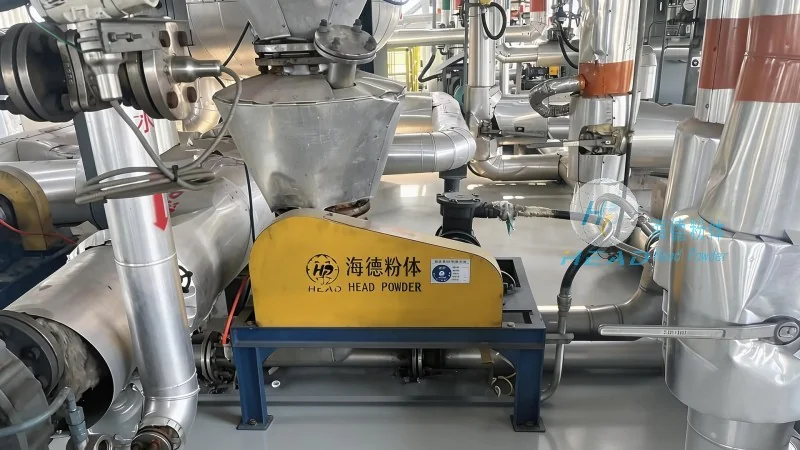
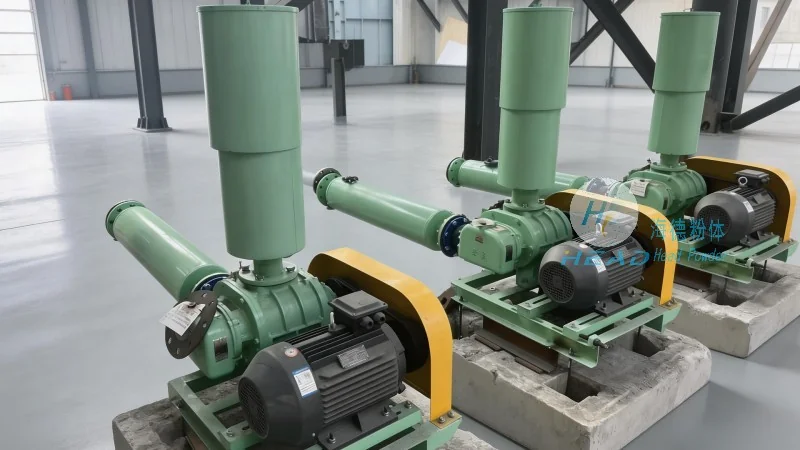
The air-pneumatic conveying system for heptahydrate magnesium sulfate powder typically consists of several critical components that work in tandem to ensure smooth operation. These components include a hopper for material storage, a rotary valve or feeder to control the flow rate, a compressor to generate the necessary air pressure, a pipeline system for transporting the powder, and a receiver or silo for the discharged material. Each component plays a vital role in the overall conveying process, and their proper integration is essential for optimal performance.
Operation Process of the Conveying Equipment
The operation of the air-pneumatic conveying equipment for heptahydrate magnesium sulfate powder begins with the loading of the material into the hopper. The rotary valve or feeder then regulates the flow of powder into the pipeline, ensuring a consistent feed rate. Simultaneously, the compressor generates compressed air, which is introduced into the pipeline at a specific pressure. As the compressed air flows through the pipeline, it creates a low-pressure zone that draws the powder particles into the air stream. The mixture of powder and air travels through the pipeline to the receiver, where the air is separated from the powder, and the material is collected. The air is then typically filtered and discharged back into the environment or recycled for energy efficiency.
Working Principle: How Air-Pneumatic Conveying Transports Heptahydrate Magnesium Sulfate
The working principle of air-pneumatic conveying relies on the fundamental physics of fluid dynamics and particle transport. When compressed air is introduced into the pipeline, it creates a high-velocity air stream that entrains the powder particles. The air flow velocity must be sufficient to overcome the gravitational force acting on the particles and any frictional forces within the pipeline. The key parameters that determine the conveying efficiency include air pressure, flow rate, and the size and density of the powder particles. For heptahydrate magnesium sulfate, which has a relatively low bulk density and fine particle size, the system is designed to maintain a stable air-powder ratio to prevent blockages or excessive pressure drops.

Advantages of Using Air-Pneumatic Conveying for Heptahydrate Magnesium Sulfate
Employing air-pneumatic conveying equipment for heptahydrate magnesium sulfate offers several advantages over traditional conveying methods. Firstly, it significantly reduces dust generation, which not only improves workplace safety but also minimizes product loss due to material degradation. Secondly, the enclosed system prevents contamination from external sources, ensuring the purity of the heptahydrate magnesium sulfate. Thirdly, the technology allows for flexible and scalable conveying systems, enabling easy integration with existing production lines or expansion of capacity as needed. Additionally, the reduced need for manual handling and the lower maintenance requirements contribute to overall cost savings and increased operational efficiency.

Maintenance and Operational Considerations
To ensure the long-term reliability and efficiency of the air-pneumatic conveying equipment, regular maintenance is essential. This includes monitoring air pressure and flow rates, cleaning the pipeline and filters to prevent clogging, and inspecting the rotary valve and feeder for wear and tear. Proper lubrication of moving parts and timely replacement of worn components are also critical. Operational considerations also involve ensuring that the system is operated within the recommended air pressure and flow rate ranges to avoid excessive energy consumption or equipment damage. By adhering to these maintenance and operational guidelines, the equipment can deliver consistent performance and extend its service life.
Conclusion
Air-pneumatic conveying equipment provides an effective and efficient solution for the transportation of heptahydrate magnesium sulfate powder. By understanding the operation process and working principle of such systems, industries can optimize their material handling processes, enhance product quality, and improve overall operational safety. The technology's ability to handle fine powders like heptahydrate magnesium sulfate while minimizing dust and contamination makes it a preferred choice in various applications. With proper maintenance and operational management, air-pneumatic conveying systems can deliver reliable performance and contribute to the success of production operations.