

Operation Process and Working Principle of Pneumatic Conveying for Yeast Powder Materials
Pneumatic conveying systems are widely utilized in the handling and transportation of yeast powder materials due to their efficiency, flexibility, and ability to maintain product integrity. Understanding the operation process and working principles of such systems is crucial for optimizing material flow and ensuring consistent performance in industrial applications. This article provides a detailed overview of the key aspects involved in pneumatic conveying for yeast powder, from the fundamental mechanisms to practical implementation considerations.
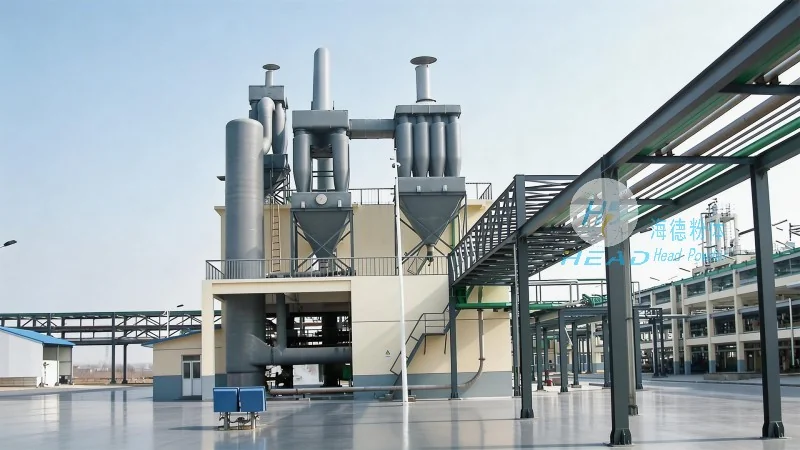
Overview of Pneumatic Conveying Systems for Yeast Powder
Pneumatic conveying, also known as pneumatic transport, is a method of transporting bulk materials like yeast powder through a pipeline using a gas stream, typically air. This technology offers several advantages over traditional mechanical conveying methods, including reduced equipment wear, minimal product contamination, and the ability to handle materials that are dusty or have a tendency to agglomerate. For yeast powder, which is a fine, hygroscopic powder, maintaining its quality during transport is paramount. Pneumatic conveying systems are designed to achieve this by controlling the flow of air and the velocity of the material particles within the pipeline.
Key Components and Their Roles in the System
A typical pneumatic conveying system for yeast powder consists of several essential components, each playing a critical role in the overall operation. The main components include a material feeder, a conveying pipeline, a gas source (usually a blower or compressor), a control system, and a discharge device. The material feeder is responsible for introducing the yeast powder into the system at a controlled rate, ensuring a steady flow of material. The conveying pipeline, often made of stainless steel to prevent corrosion and contamination, transports the powder and air mixture. The gas source provides the necessary pressure and flow rate to move the material through the pipeline. The control system monitors and adjusts the air pressure, flow rate, and material feed rate to maintain optimal conveying conditions. Finally, the discharge device collects the yeast powder at the end of the pipeline, separating it from the air stream.

Operation Process of Pneumatic Conveying for Yeast Powder
The operation process of a pneumatic conveying system for yeast powder involves several sequential steps. Initially, the yeast powder is fed into the system via the material feeder. Simultaneously, the gas source generates a high-velocity air stream that enters the conveying pipeline. As the air flows through the pipeline, it entrains the yeast powder particles, creating a mixture of air and powder. The velocity of the air is critical; it must be sufficient to lift and transport the powder particles without causing excessive wear or degradation of the material. The mixture then travels through the pipeline to the discharge point, where the powder is separated from the air using a cyclone separator or other filtration equipment. The separated powder is collected in a storage bin or directly transferred to the next processing stage. The air, now free of powder, is either recirculated back into the system or vented to the atmosphere, depending on the system design. Throughout the process, the control system continuously monitors parameters such as pressure, flow rate, and material level to ensure smooth operation and prevent issues like blockages or overloading.
Working Principles Behind Pneumatic Conveying
The working principles of pneumatic conveying for yeast powder are based on the physics of fluid dynamics and particle motion. The primary principle is the use of a high-velocity gas stream to create a drag force on the powder particles, which overcomes the gravitational force and allows them to be transported through the pipeline. This is often referred to as the "drag flow" or "pressure flow" mode, depending on the system design. In pressure flow systems, the entire pipeline is pressurized, and the air and powder mixture moves from a high-pressure zone to a low-pressure zone. In suction flow systems, the air is drawn from the discharge end, creating a vacuum that pulls the powder from the feeder. For yeast powder, which is a fine powder with a relatively low bulk density, the pressure flow system is commonly used as it provides better control and reduces the risk of particle degradation. The air velocity within the pipeline is typically maintained at a level that ensures the powder particles are fully suspended, preventing them from settling and causing blockages. This requires precise control of the air flow rate and pressure, which is managed by the system's control unit.
Advantages and Considerations for Yeast Powder Conveying
Implementing a pneumatic conveying system for yeast powder offers several advantages over other conveying methods. These include the ability to handle fine, dusty materials without generating excessive dust, which is important for maintaining a clean and safe working environment. The system also minimizes product contamination, as the material is contained within the pipeline and does not come into contact with external surfaces or equipment. Additionally, pneumatic conveying can be integrated with other processing equipment, such as mixers or reactors, to create a seamless production line. However, there are also considerations to keep in mind when designing and operating such a system. For example, the high velocity of the air can cause wear on the pipeline and other components, requiring the use of durable materials like stainless steel. The system also requires careful maintenance to prevent blockages, which can be caused by agglomerated powder or foreign particles. Proper cleaning and maintenance procedures are essential to ensure the system operates efficiently and reliably.

About Shandong HeadPowder Engineering Co., Ltd.
Shandong HeadPowder Engineering Co., Ltd., commonly known as HeadPowder, is a leading provider of engineering solutions for the food and beverage industry, specializing in the design, manufacturing, and installation of pneumatic conveying systems for yeast powder and other bulk materials. With years of experience in the field, HeadPowder has developed a comprehensive range of products and services tailored to meet the specific needs of clients in the yeast and fermentation industries. The company's team of experts is dedicated to providing innovative and efficient solutions that enhance production efficiency, reduce operational costs, and ensure product quality. HeadPowder's commitment to quality and customer satisfaction has made it a trusted partner for many leading companies in the industry. The company's headquarters is located in Shandong, China, where it operates a state-of-the-art manufacturing facility and research center.
Conclusion
Pneumatic conveying systems play a vital role in the efficient handling and transportation of yeast powder materials. By understanding the operation process and working principles of such systems, manufacturers can optimize their production lines and ensure consistent product quality. Companies like Shandong HeadPowder Engineering Co., Ltd. offer specialized solutions and expertise to help clients implement effective pneumatic conveying systems, contributing to the overall success of their operations. With the right system design and maintenance, pneumatic conveying can be a reliable and cost-effective method for transporting yeast powder in various industrial applications.