

Operation Process and Working Principle of High-Pressure Pulse Material Pneumatic Conveying System
High-pressure pulse material pneumatic conveying systems represent a sophisticated technology in material handling, designed to efficiently transport bulk materials over long distances with minimal operational challenges. This system is particularly valuable in industries such as chemical processing, food processing, and pharmaceuticals, where maintaining product integrity and ensuring consistent flow are critical. The system operates by utilizing high-pressure air pulses to move materials through a pipeline network, offering advantages like reduced maintenance compared to traditional mechanical conveyors and the ability to handle a wide variety of materials, including powders, granules, and even fine particles.

Key Components and Their Roles
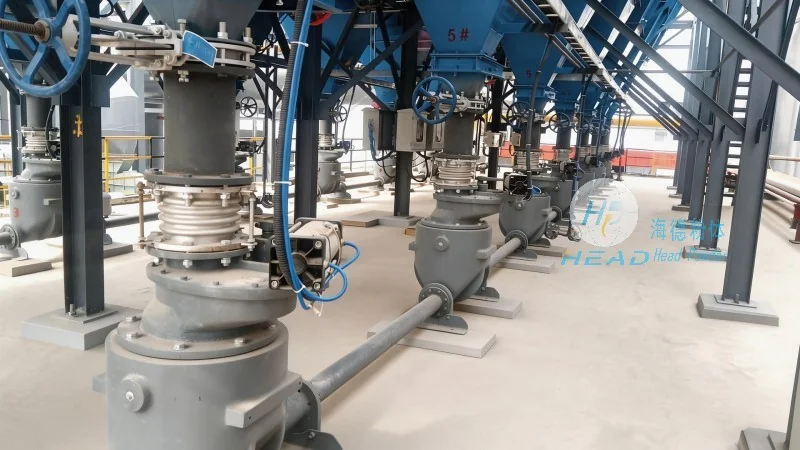
The high-pressure pulse material pneumatic conveying system consists of several key components, each playing a crucial role in the overall operation. The primary components include a high-pressure air compressor, a pulse control valve, a hopper or feeder for material loading, a pipeline system, and a receiver or discharge unit. The high-pressure air compressor generates the necessary air pressure to create the pulse, which propels the material forward. The pulse control valve regulates the timing and duration of the air pulses, ensuring optimal material movement without excessive pressure or energy waste. The hopper or feeder is responsible for feeding the material into the system, while the pipeline transports the material from the loading point to the discharge point. The receiver or discharge unit collects the material at the end of the pipeline, completing the conveying process.

Operation Process and Working Principle
The operation of a high-pressure pulse material pneumatic conveying system follows a systematic process. Initially, the material is loaded into the hopper or feeder, where it is held until the system is ready to start. The high-pressure air compressor then begins to generate air pressure, which is directed through the pulse control valve to the pipeline. The pulse control valve releases short bursts of high-pressure air into the pipeline, creating a pressure wave that moves the material forward. As the air pulse travels through the pipeline, it displaces the material, causing it to flow in the direction of the pressure wave. The material is then carried along the pipeline until it reaches the receiver or discharge unit, where it is collected. The system repeats this process continuously, with the pulse control valve adjusting the frequency and duration of the air pulses based on the material flow rate and pipeline conditions. The working principle is based on the principle of fluidization and momentum transfer, where the high-pressure air pulses provide the necessary force to move the material through the pipeline, while the pipeline design ensures efficient flow and minimal pressure loss.
Advantages and Applications
High-pressure pulse material pneumatic conveying systems offer several advantages over traditional conveying methods. One of the key advantages is the ability to handle a wide range of materials, including abrasive or corrosive materials, without causing damage. The system also provides a hygienic and enclosed environment, which is essential in industries such as food and pharmaceuticals, where contamination must be minimized. Additionally, the system is relatively low maintenance compared to mechanical conveyors, as it has fewer moving parts and requires less frequent cleaning. The high-pressure pulse design also allows for longer conveying distances and higher material throughput, making it suitable for large-scale industrial applications. The system is widely used in various industries, including chemical manufacturing, where it is used to transport raw materials and finished products; food processing, where it is used to convey ingredients and finished foods; and pharmaceuticals, where it is used to transport active ingredients and finished medications.

About Shandong HeadPowder Engineering Co., Ltd.
Shandong HeadPowder Engineering Co., Ltd., commonly known as headpowder, is a leading manufacturer and supplier of high-pressure pulse material pneumatic conveying systems. The company is headquartered in Shandong, China, and has a strong reputation for providing high-quality, reliable, and efficient material handling solutions to clients worldwide. HeadPowder specializes in designing and manufacturing customized high-pressure pulse systems tailored to the specific needs of each client, ensuring optimal performance and minimal downtime. The company's team of experienced engineers and technicians work closely with clients to understand their material handling requirements and develop solutions that meet their needs. HeadPowder's commitment to quality and customer satisfaction has made it a trusted partner in the industry, with clients ranging from small businesses to large multinational corporations. The company's products are known for their durability, efficiency, and ease of maintenance, making them a preferred choice for industries that require reliable and consistent material handling solutions.