

Operation Process and Working Principle of PUR Material Pneumatic Conveying Lines
For industries dealing with polyurethane (PUR) materials, efficient and reliable material handling is crucial. Pneumatic conveying systems offer a solution that minimizes dust, reduces labor costs, and enhances safety. This article explores the operation process and working principle of a PUR material pneumatic conveying line, highlighting the expertise of Shandong HeadPowder Engineering Co., Ltd. from China.
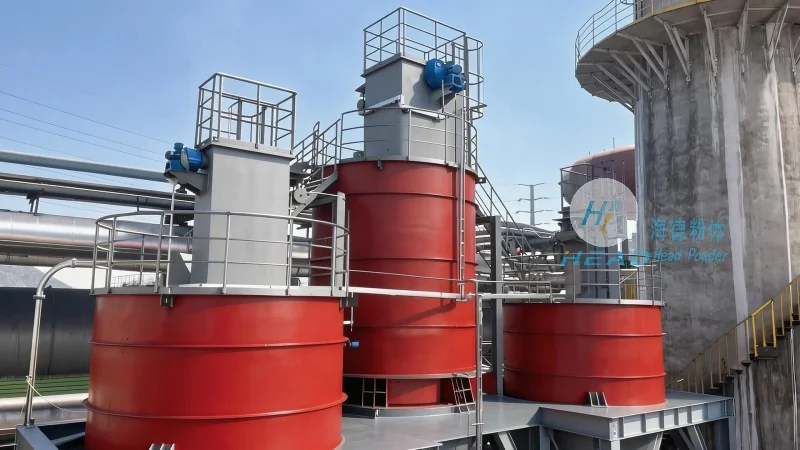
Company Overview: Shandong HeadPowder Engineering Co., Ltd.
HeadPowder, a leading manufacturer based in Shandong, China, specializes in designing and manufacturing advanced pneumatic conveying solutions. With years of experience, the company has developed systems tailored to the unique properties of PUR materials, ensuring optimal performance and durability. The company’s commitment to quality and innovation makes it a trusted partner for businesses seeking efficient material handling solutions.
The Working Principle of Pneumatic Conveying Systems
Pneumatic conveying systems operate by transporting bulk materials through a pipeline using compressed air or vacuum. For PUR materials, which are often fine powders or granules, a pressure system is commonly used. The principle involves creating a flow of air that entrains the material particles, carrying them from the source to the destination. The system can be either positive pressure (where air is blown into the pipeline) or negative pressure (where air is sucked out). In the case of PUR materials, positive pressure is often preferred due to the material's sensitivity to moisture and the need for controlled flow rates.
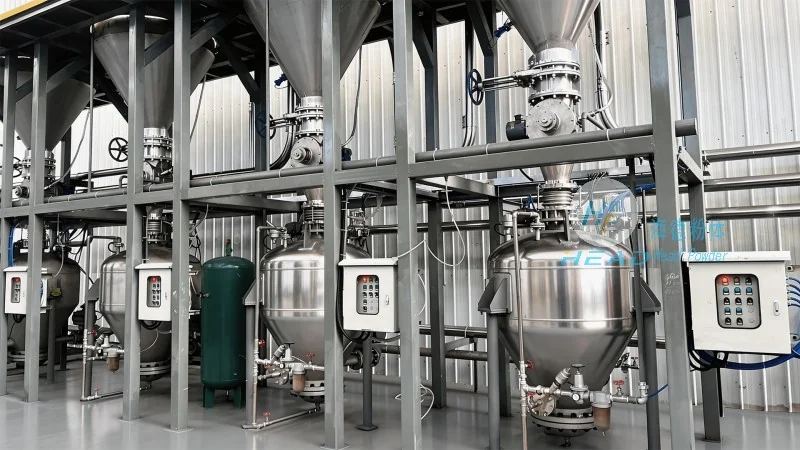
Step-by-Step Operation Process of the PUR Material Conveying Line
The operation of a PUR material pneumatic conveying line involves several key steps, each designed to ensure smooth and efficient material transport. The process begins with the material being fed into a hopper. The hopper is equipped with a feeder, such as a rotary valve or a screw feeder, which controls the flow rate of the PUR material into the system. Next, compressed air is supplied to the system, typically from an air compressor. The air is introduced into the pipeline, creating a flow that lifts and transports the PUR particles. The material travels through the pipeline, which may include bends, expansions, or reductions to adjust the flow velocity. At the destination, a cyclone separator or a filter is used to separate the material from the air, allowing the PUR material to be deposited in a collection bin or storage tank. The system is controlled by a PLC (Programmable Logic Controller), which monitors parameters such as pressure, flow rate, and material level, ensuring consistent operation.

Key Components and Their Functions
Several components work together to ensure the effective operation of the PUR material pneumatic conveying line. The hopper serves as the storage and feeding unit, holding the PUR material and providing a controlled feed to the system. The feeder, often a rotary valve or a screw feeder, regulates the material flow into the pipeline, preventing overfeeding or underfeeding. The air compressor generates the compressed air needed to move the material, with the pressure and flow rate adjustable based on the material properties and system requirements. The pipeline is made of materials resistant to the PUR material and the air, such as stainless steel or PTFE-coated pipes, to prevent corrosion and material buildup. The cyclone separator or filter is crucial for separating the material from the air, ensuring that the PUR material is collected efficiently and the air is clean. The control system, including sensors and a PLC, monitors and controls the entire process, providing real-time data and adjustments to maintain optimal performance.
Benefits and Applications
The use of a PUR material pneumatic conveying line offers numerous benefits for industries handling polyurethane materials. These benefits include reduced dust exposure, which improves workplace safety and compliance with environmental regulations. The system also minimizes material loss and contamination, ensuring the quality of the final product. Additionally, pneumatic conveying systems are more energy-efficient compared to traditional methods like belt conveyors or bucket elevators, as they use less power to transport the material over long distances. The flexibility of the system allows for easy integration with existing production lines and the ability to transport materials to multiple destinations. Applications of this system include the manufacturing of PUR foams, coatings, and adhesives, where consistent and clean material handling is essential for product quality and efficiency.