

Introduction to Equipment and Structural Principles of Pneumatic Ash Handling Systems
HeadPowder Engineering Co., Ltd. is a professional manufacturer and supplier of industrial equipment, with its headquarters located in Shandong, China. The company specializes in the design, production, and installation of pneumatic ash handling systems, which are crucial for efficient ash removal in power plants and other industrial facilities.

Overview of Pneumatic Ash Handling Systems
Pneumatic ash handling systems utilize air pressure to transport ash and other solid waste materials from their source to disposal or treatment locations. This technology offers significant advantages over traditional methods, such as hydraulic systems or manual handling, by providing a more efficient, flexible, and environmentally friendly solution for ash management. The systems are widely used in thermal power plants, cement factories, and other industrial settings where large volumes of ash need to be transported over considerable distances.

Key Equipment in Pneumatic Ash Handling Systems
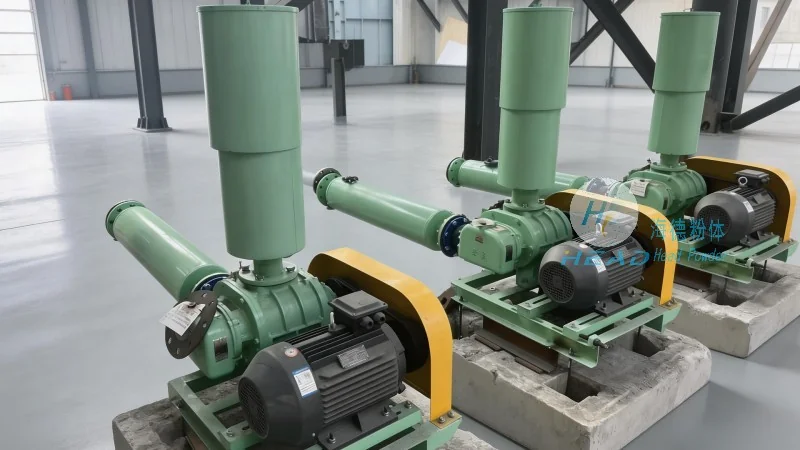
The core components of a pneumatic ash handling system include ash feeders, air blowers, pipelines, and ash collectors. Each component plays a vital role in the overall operation of the system. The ash feeder is responsible for feeding the ash into the system at a controlled rate, ensuring a consistent flow of material. The air blower, typically a high-pressure fan or compressor, generates the necessary air pressure to move the ash through the pipelines. The pipelines are designed to withstand the pressure and temperature of the ash and air mixture, and are often made of corrosion-resistant materials like stainless steel or special alloys. The ash collector, located at the end of the pipeline, separates the ash from the air and collects it for further disposal or processing.

Structural Principles and Working Mechanisms
The structural design of a pneumatic ash handling system is based on the principle of air suspension, where the ash particles are suspended in the air stream and carried through the pipelines. The system operates by creating a high-pressure air flow that entrains the ash particles, forming a slurry-like mixture known as a "pneumatic slurry." The air pressure is maintained at a level sufficient to overcome the resistance of the pipelines and the weight of the ash particles. The system's design must consider factors such as the ash's moisture content, particle size, and the distance to be covered, as these factors affect the required air pressure and system capacity.
Advantages of Pneumatic Ash Handling Systems
Compared to other ash handling methods, pneumatic systems offer several key advantages. They provide a continuous and reliable flow of ash, reducing downtime and improving operational efficiency. The systems are also flexible, allowing for changes in the layout or distance of the pipelines without major modifications. Additionally, pneumatic systems are more environmentally friendly, as they minimize dust emissions and reduce the risk of ash contamination. The use of corrosion-resistant materials in the construction of the pipelines and components ensures long-term durability and low maintenance costs.
Application and Customization
HeadPowder Engineering Co., Ltd. offers customized pneumatic ash handling systems tailored to the specific needs of each client. The company's engineers work closely with clients to assess their operational requirements, including the volume of ash to be handled, the distance to be covered, and the environmental regulations in place. Based on this assessment, the system is designed and manufactured to meet the client's specifications. The company's products are known for their high efficiency, reliability, and durability, making them a preferred choice for industrial facilities worldwide.