

Introduction to Potassium Carbonate Pneumatic Conveying: Structure and Principle Explanation
HeadPowder, a leading engineering firm based in Shandong, China, specializes in the design and implementation of advanced material handling systems. Among their portfolio is the potassium carbonate pneumatic conveying system, a technology that efficiently transports potassium carbonate through an air-driven process. This article provides an overview of the system's structure and operational principles, highlighting its key components and how they work together to ensure reliable and efficient material transport.

Potassium Carbonate Pneumatic Conveying System Overview
The potassium carbonate pneumatic conveying system is engineered to handle the transportation of potassium carbonate, a chemical compound widely used in various industrial applications such as pharmaceuticals, food processing, and chemical manufacturing. The system utilizes a combination of air pressure and specialized equipment to move the material from its source to the destination, minimizing the need for manual handling and reducing operational risks. HeadPowder's expertise in material handling ensures that the system is tailored to meet the specific requirements of each client, whether for bulk or precise dosing applications.
Key Components of the Pneumatic Conveying System
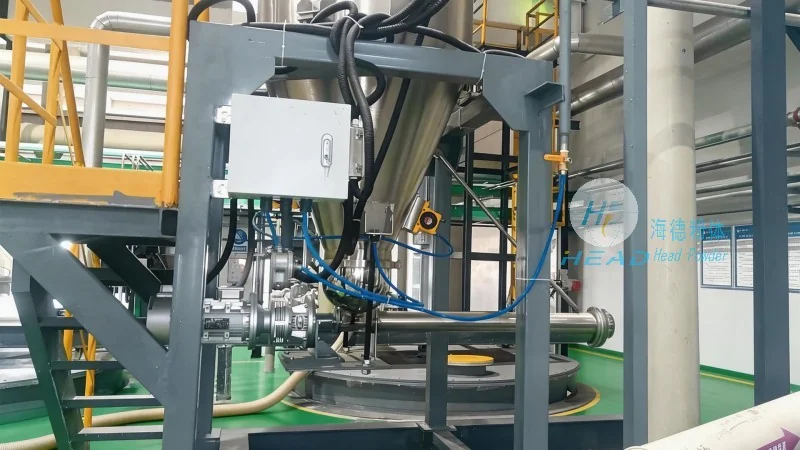
The pneumatic conveying system for potassium carbonate consists of several critical components that work in concert to facilitate efficient material transport. These include the material hopper, which serves as the storage and feeding unit, the air compressor or blower that generates the necessary air pressure, the conveying line (typically made of stainless steel or other corrosion-resistant materials to handle the chemical properties of potassium carbonate), and the control system that regulates the flow and pressure of the air and material. Additionally, the system may incorporate features such as cyclone separators or filters to separate the material from the air stream and prevent contamination or loss of product.
Structural Design and Operational Principle
The structural design of the potassium carbonate pneumatic conveying system is built on a robust framework that ensures durability and long-term performance. The material hopper is designed with a sloped bottom to facilitate smooth material flow, while the air inlet and outlet are strategically positioned to optimize the air-material interaction. The conveying line is typically arranged in a straight or slightly curved path, with bends and elbows that are carefully engineered to minimize pressure loss and prevent material buildup. The operational principle relies on the principle of pneumatic transport, where the material is suspended in a stream of air and carried through the conveying line under pressure. The air compressor provides the necessary pressure to move the material, and the control system adjusts the air flow rate to maintain consistent material delivery. The system operates in a closed loop, with the air being filtered and recycled to maintain a clean and efficient process.
Advantages of the Potassium Carbonate Pneumatic Conveying System
Implementing a pneumatic conveying system for potassium carbonate offers several advantages over traditional material handling methods. Firstly, it reduces the risk of contamination and product degradation by eliminating direct human contact and minimizing exposure to the environment. Secondly, the system provides precise control over the material flow rate, allowing for accurate dosing and consistent product quality. Thirdly, it improves operational efficiency by automating the material transport process, reducing downtime and labor costs. Additionally, the system is designed to be flexible and scalable, accommodating changes in production volume and adapting to different application requirements. HeadPowder's commitment to quality and innovation ensures that their pneumatic conveying systems are built to last, providing reliable performance and minimal maintenance requirements.

Application Scenarios and Customization
The potassium carbonate pneumatic conveying system is suitable for a wide range of applications, from small-scale laboratory operations to large-scale industrial production lines. In pharmaceutical applications, the system is used to transport potassium carbonate for use in drug formulations, where precision and purity are critical. In food processing, it is employed to handle potassium carbonate as a food additive, ensuring that the product meets safety and quality standards. In chemical manufacturing, the system is utilized to transport the material for use in various chemical processes, such as the production of other potassium compounds. HeadPowder offers customized solutions tailored to each client's specific needs, including variations in system size, material handling capacity, and control features. The company's engineering team works closely with clients to understand their operational requirements and design a system that meets their exact specifications.
Conclusion
HeadPowder's potassium carbonate pneumatic conveying system represents a sophisticated and efficient solution for material handling in various industrial sectors. By leveraging advanced engineering principles and robust component design, the system ensures reliable and consistent transport of potassium carbonate, while minimizing operational risks and costs. With its commitment to quality and customization, HeadPowder continues to be a trusted partner in providing effective material handling solutions for clients worldwide. The system's structure and operational principles are designed to meet the highest standards of performance and safety, making it an ideal choice for industries that require precise and efficient material transport.