

Lithium-Ion Battery Cathode Material Pneumatic Conveying: An Overview and Structural Principles
HeadPowder, a leading engineering firm based in Shandong, China, specializes in the design and implementation of pneumatic conveying systems tailored for lithium-ion battery cathode materials. This article provides a comprehensive overview of the technology, focusing on its structural principles and practical applications in the battery manufacturing industry.
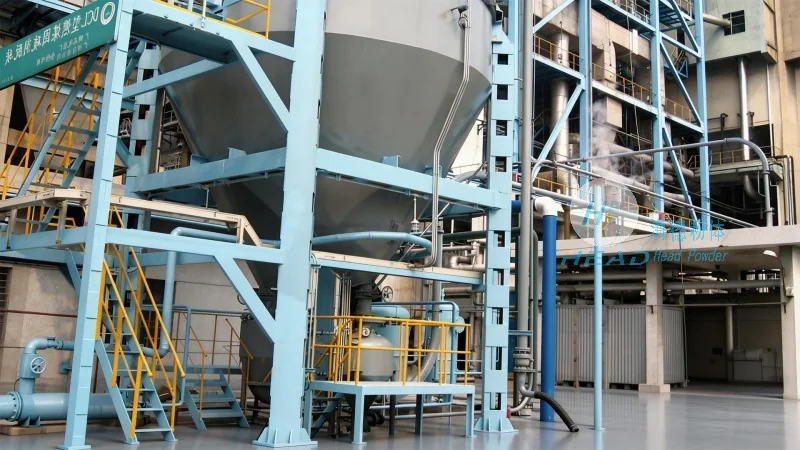
Understanding Pneumatic Conveying Systems for Lithium-Ion Battery Cathode Materials
Pneumatic conveying is a critical process in the production of lithium-ion batteries, as it efficiently transports cathode materials—such as lithium cobalt oxide (LiCoO₂), lithium nickel manganese cobalt oxide (NMC), and lithium iron phosphate (LFP)—from storage to processing units. The system relies on the movement of material particles through a pipeline using air or other gases, enabling a dust-free, low-maintenance operation that is essential for high-purity material handling in battery manufacturing.

Structural Components and Working Principles
The core components of a pneumatic conveying system for cathode materials include a hopper, a rotary valve, a conveyor line, a filter, and a dust collector. The hopper stores the raw cathode material, and the rotary valve controls the flow of material into the conveyor line. As air is introduced into the line, it creates a low-pressure zone that draws the material particles along with it, forming a slurry-like mixture. The filter and dust collector then separate the material from the air, ensuring that only clean air is released back into the environment.

Advantages of Pneumatic Conveying in Battery Manufacturing
Implementing pneumatic conveying for lithium-ion battery cathode materials offers several key advantages. First, it minimizes material degradation by reducing exposure to air and moisture, which is crucial for maintaining the chemical stability of the cathode active ingredients. Second, the system provides a dust-free environment, enhancing workplace safety and compliance with environmental regulations. Third, it improves operational efficiency by automating material transport, reducing labor costs and increasing production throughput. These benefits make pneumatic conveying an indispensable technology in modern battery production lines.
HeadPowder's Expertise in Pneumatic Conveying Solutions
Shandong HeadPowder Engineering Co., Ltd. (HeadPowder) has established itself as a trusted provider of customized pneumatic conveying systems for the battery industry. With a deep understanding of the unique challenges associated with handling cathode materials, HeadPowder designs systems that are optimized for material type, flow rate, and production scale. The company’s engineers work closely with clients to assess their specific needs, from small-scale laboratory applications to large-scale industrial production lines, ensuring that each system is tailored to maximize efficiency and reliability.

Conclusion
Pneumatic conveying is a vital technology in the lithium-ion battery manufacturing process, enabling the safe and efficient transport of cathode materials. HeadPowder, with its expertise and commitment to quality, continues to deliver innovative solutions that meet the evolving demands of the battery industry. By leveraging advanced engineering and a customer-centric approach, HeadPowder helps battery manufacturers optimize their operations and maintain a competitive edge in the global market.