

Introduction to Resin Powder Pneumatic Conveying Systems: Structure and Working Principles
Resin powder pneumatic conveying systems are critical components in industrial processing, particularly for the efficient and safe transportation of resin powders. These systems utilize air or gas to move materials through a pipeline, offering advantages such as reduced contamination, improved safety, and enhanced process control. This article provides an overview of the resin powder pneumatic conveying line, detailing its structure and operational principles, presented by Shandong HeadPowder Engineering Co., Ltd., a leading manufacturer based in China.

Overview of Resin Powder Pneumatic Conveying Systems
Resin powder pneumatic conveying systems are designed to transport resin powders from a source, such as a storage silo or hopper, to a destination, like a processing unit or packaging area. The system operates by creating a pressure differential or using vacuum to move the powder through a sealed pipeline. This method is widely preferred in industries like plastics, chemicals, and pharmaceuticals due to its ability to handle fine powders without the need for mechanical components that might cause contamination or product degradation. Shandong HeadPowder Engineering Co., Ltd., a company specializing in material handling solutions, has developed advanced pneumatic conveying systems tailored to meet the specific needs of resin powder processing.
Key Components of the Pneumatic Conveying Line
The resin powder pneumatic conveying line typically consists of several key components, each playing a crucial role in the overall system performance. These components include:
- Feeder: The feeder is responsible for metering and feeding the resin powder into the conveying line. It ensures a consistent flow rate, which is essential for maintaining system efficiency and preventing blockages.
- Conveying Pipe: The pipeline is the main channel through which the resin powder is transported. It is usually made of materials like stainless steel or plastic, chosen for their resistance to corrosion and wear from the powder.
- Exhaust System: The exhaust system manages the air or gas used to convey the powder, ensuring proper ventilation and compliance with environmental regulations.
- Receiver: The receiver is the final destination where the resin powder is deposited. It may include a hopper or storage container to hold the material until it is further processed.
- Control Valves and Regulators: These components control the flow of air, pressure, and powder, allowing for precise adjustment of the conveying process to meet specific operational requirements.
Working Principles of the Pneumatic Conveying System
The operation of a resin powder pneumatic conveying system involves several stages, each contributing to the efficient movement of the material. The primary working principle is based on the use of air or gas to create a flow that carries the powder particles. There are two main types of pneumatic conveying systems: pressure and vacuum.

In a pressure system, compressed air is introduced at the feeder end, creating a pressure higher than the ambient air pressure. This pressure forces the resin powder through the pipeline to the receiver. The pressure is maintained by a blower or compressor, which supplies the necessary air volume and pressure.
In a vacuum system, a vacuum pump creates a low-pressure environment at the receiver end, drawing the resin powder from the source through the pipeline. The vacuum is maintained by the pump, which continuously removes air and powder from the system.
Both systems rely on the principle of fluidization, where the air or gas flow creates a suspension of the powder particles, allowing them to move smoothly through the pipeline. The velocity of the air is critical; it must be sufficient to keep the powder particles suspended but not so high as to cause excessive wear on the pipeline or equipment.
Advantages of Resin Powder Pneumatic Conveying Systems
Resin powder pneumatic conveying systems offer several advantages over traditional mechanical conveying methods. These include:
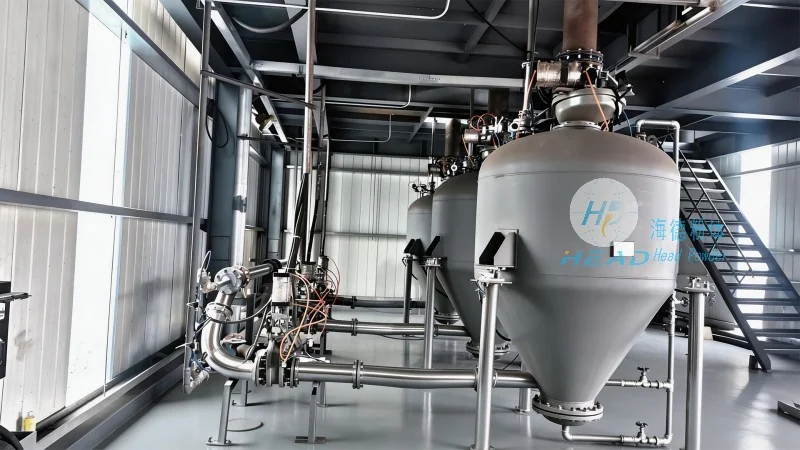
- Reduced Contamination: The sealed pipeline prevents contact with external contaminants, ensuring the purity of the resin powder.
- Enhanced Safety: The system eliminates the need for manual handling of powders, reducing the risk of dust explosions and occupational hazards.
- Improved Process Control: Precise control over flow rates and pressure allows for better integration with downstream processes, such as mixing or molding.
- Space Efficiency: The compact design of the system requires less floor space compared to traditional bulk handling methods.
- Flexibility: The system can be easily reconfigured or expanded to accommodate changes in production volume or process requirements.
Applications in Industrial Settings
Resin powder pneumatic conveying systems are widely used in various industrial applications. In the plastics industry, they are used to transport resin powders to extrusion or molding machines. In the chemical industry, they handle fine powders for mixing and processing. The pharmaceutical industry also utilizes these systems for the safe and sterile handling of powdered ingredients.
These systems are particularly beneficial in applications where product purity and safety are paramount. For example, in food and pharmaceutical processing, the sealed and controlled environment of the pneumatic conveying line prevents cross-contamination and ensures compliance with regulatory standards.
Conclusion
Resin powder pneumatic conveying systems are sophisticated and efficient solutions for the transportation of resin powders in industrial settings. By understanding the structure and working principles of these systems, industries can optimize their material handling processes, improve product quality, and enhance operational safety. As technology advances, these systems continue to evolve, offering even greater efficiency and adaptability for modern manufacturing needs.