

Introduction to the Structure and Working Principle of the Nickel Sulfate Crystallization Pneumatic
HeadPowder, a leading manufacturer in the field of material handling equipment, specializes in the design and production of advanced pneumatic conveying systems for various industrial applications. This article provides an overview of the nickel sulfate crystallization pneumatic conveying system, detailing its structural components and operational principles to help users understand its functionality and benefits.

Overview of the Nickel Sulfate Crystallization Pneumatic Conveying System
The nickel sulfate crystallization pneumatic conveying system is a specialized equipment designed to transport crystallized nickel sulfate efficiently and safely. This system is crucial in industrial processes where the handling of crystalline materials requires precision and minimal product degradation. By leveraging pneumatic conveying technology, the system ensures that the nickel sulfate crystals are moved without the need for mechanical contact, reducing the risk of contamination and breakage.
Key Structural Components of the System
The nickel sulfate crystallization pneumatic conveying system consists of several key components that work in tandem to achieve effective material transport. These components include:

- Crystallizer: The crystallizer is the initial stage where nickel sulfate is produced through crystallization processes. It is designed to maintain optimal temperature and concentration conditions to facilitate the formation of high-quality crystals.
- Pneumatic Conveying Hopper: The hopper is a storage vessel that collects the crystallized nickel sulfate from the crystallizer. It is equipped with a feeding mechanism to ensure a consistent flow of material into the conveying line.
- Pneumatic Conveying Line: The conveying line is the core of the system, typically composed of pipes and fittings that transport the material using compressed air. The design of the line, including the use of appropriate pipe diameters and bends, is critical to minimize pressure drop and ensure smooth material flow.
- Receiver: The receiver is the final storage or processing vessel where the transported nickel sulfate is deposited. It is designed to handle the material without causing further degradation or contamination.
- Compressed Air System: The compressed air system provides the necessary pressure to move the material through the conveying line. It includes air compressors, filters, and regulators to ensure a stable and clean air supply.
Working Principle of the Pneumatic Conveying Process
The operation of the nickel sulfate crystallization pneumatic conveying system follows a systematic process. The steps involved are as follows:
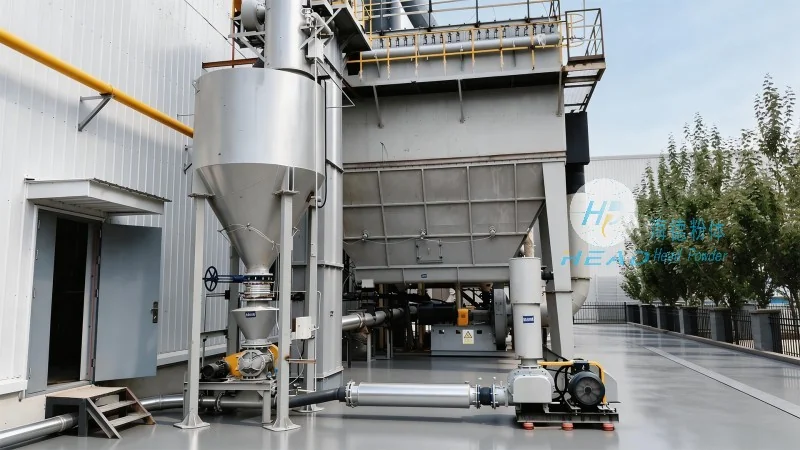
- Material Preparation: The crystallized nickel sulfate is collected in the crystallizer and then transferred to the pneumatic conveying hopper. The material is typically in a dry or semi-dry state, ready for transport.
- Air Injection: Compressed air is introduced into the conveying line at the hopper inlet. The air flow creates a negative pressure or positive pressure environment, depending on the system design, to draw the material into the line.
- Material Transport: The material is carried by the air stream through the conveying line. The air velocity is maintained at a level that ensures the material particles are suspended and transported without settling or clogging.
- Deposition: The material is deposited into the receiver at the end of the conveying line. The air is then filtered and released, completing the cycle.
Advantages of the Nickel Sulfate Crystallization Pneumatic Conveying System
Implementing a pneumatic conveying system for nickel sulfate crystallization offers several advantages over traditional mechanical conveying methods. These benefits include:

- Reduced Product Contamination: Since the material is not in direct contact with mechanical parts, the risk of contamination from metal particles or other contaminants is significantly minimized.
- Improved Material Integrity: The gentle handling of the crystalline material reduces breakage and maintains the quality of the crystals, which is essential for downstream processing.
- Enhanced Safety: The system operates with enclosed pipes and hoppers, reducing dust emissions and improving workplace safety compared to open conveying methods.
- Space Efficiency: Pneumatic conveying systems can be designed to fit into compact spaces, making them suitable for facilities with limited floor area.
- Cost-Effective: By eliminating the need for multiple mechanical components and reducing maintenance requirements, the system offers long-term cost savings.
Application Scenarios
The nickel sulfate crystallization pneumatic conveying system is widely used in various industrial sectors, including:
- Chemical Manufacturing: In the production of nickel sulfate, the system is used to transport the crystallized product from the crystallizer to storage or packaging areas.
- Pharmaceutical Industry: For the handling of nickel sulfate in pharmaceutical formulations, the system ensures that the material is transported under sterile and controlled conditions.
- Environmental Treatment: In processes involving the treatment of nickel-containing waste, the system helps in the efficient transport of crystallized nickel sulfate for further processing or disposal.
Conclusion
The nickel sulfate crystallization pneumatic conveying system by Shandong HeadPowder Engineering Co., Ltd. represents a sophisticated solution for the efficient and safe handling of crystalline materials. With its robust design and advanced operational principles, the system meets the demands of modern industrial applications while providing significant benefits in terms of product quality, safety, and cost-effectiveness. HeadPowder continues to innovate in material handling technology, ensuring that its systems remain at the forefront of industrial efficiency.