

Introduction to Rice Husk Pneumatic Conveying Equipment: Structure and Working Principle
HeadPowder, a leading manufacturer based in Shandong, China, specializes in the design and production of advanced pneumatic conveying systems tailored for handling rice husk and similar bulk materials. The rice husk pneumatic conveying equipment is engineered to efficiently transport rice husk from storage silos or processing units to downstream processing equipment, such as boilers, pelletizers, or storage facilities. This equipment is crucial for optimizing the flow of rice husk in agricultural and industrial applications, ensuring minimal material loss and consistent performance.
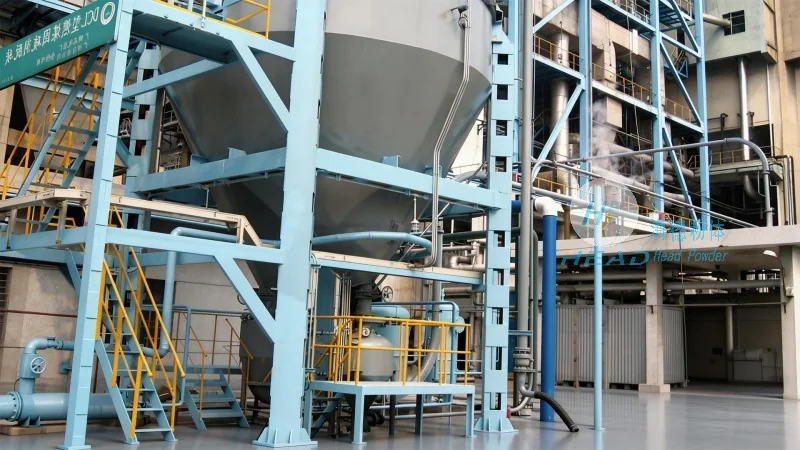
Key Components and Structure of the Pneumatic Conveying System
The rice husk pneumatic conveying system typically consists of several core components that work in concert to achieve efficient material transport. The primary components include a hopper for material storage, a rotary valve or feeder to control the flow of rice husk into the system, a conveying pipe network that transports the material under pressure, a dust collector or filter to manage airborne particles, and a discharge valve or hopper at the receiving end. The system operates on the principle of air movement, where a fan or blower generates a flow of air that pulls or pushes the rice husk particles through the pipe network. The design of the hopper and feeder is critical to prevent material bridging and ensure a steady feed rate, which directly impacts the system's overall efficiency.

Working Principle and Operational Mechanism
The operational mechanism of the rice husk pneumatic conveying equipment relies on the creation of a pressure differential within the conveying pipe. A positive pressure system, where air is blown into the pipe, or a negative pressure system, where air is drawn out, can be employed depending on the application and material characteristics. In a positive pressure system, a high-pressure fan forces air and rice husk particles into the pipe, while in a negative pressure system, a vacuum pump creates a suction that pulls the material through the pipe. The conveying velocity and air-to-material ratio are carefully controlled to prevent material deposition or blockages in the pipe. The system's efficiency is influenced by factors such as the particle size of the rice husk, moisture content, and the length and diameter of the conveying pipe. Proper maintenance of the fan, filter, and valve components is essential to ensure consistent performance and minimize downtime.
Advantages of Using Pneumatic Conveying for Rice Husk Handling
Compared to traditional mechanical conveying methods, such as screw conveyors or belt conveyors, pneumatic conveying offers several advantages for rice husk handling. One of the key benefits is the ability to transport rice husk over long distances with minimal material degradation. The enclosed system prevents dust contamination and reduces the risk of fire hazards associated with dry, combustible materials like rice husk. Additionally, pneumatic conveying systems can handle varying material loads and flow rates, making them adaptable to different production schedules. The system's compact design also saves space in processing facilities, which is particularly beneficial in areas with limited floor space. Furthermore, the reduced need for manual handling of rice husk improves workplace safety and reduces labor costs.

Application Scenarios and Industrial Use Cases
The rice husk pneumatic conveying equipment is widely used in various industrial and agricultural applications. In the agricultural sector, it is commonly employed in rice processing plants to transport rice husk from the milling process to storage silos or boiler rooms for energy generation. In the industrial sector, it is used in biomass power plants and pellet production facilities to deliver rice husk to combustion or pelletizing equipment. The equipment is also utilized in research and development facilities to transport rice husk for testing and analysis. The versatility of the system allows it to be integrated into existing processing lines or used as a standalone solution for material transport, depending on the specific requirements of the application.