

Introduction to Rapeseed Pneumatic Conveying Systems: Structure and Working Principles
Rapeseed, also known as canola, is a crucial oilseed crop widely cultivated for its high oil content. The efficient handling and transportation of rapeseed from fields to processing facilities are critical for maintaining quality and minimizing losses. Pneumatic conveying systems have emerged as a preferred solution for this purpose due to their ability to transport bulk materials like rapeseed in a controlled, dust-free manner. This article provides an overview of the structure and working principles of rapeseed pneumatic conveying systems, highlighting the key components and operational mechanisms.
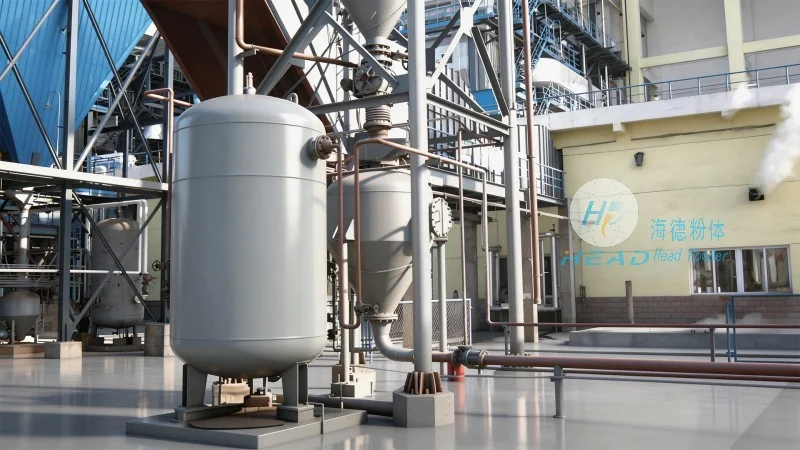
Key Components of the Pneumatic Conveying System
The rapeseed pneumatic conveying system typically consists of several interconnected components that work in tandem to ensure smooth material transport. The primary components include the hopper, feeder, air compressor, conveying pipeline, and receiver. Each component plays a vital role in the overall functionality of the system.
The hopper is the initial storage unit where raw rapeseed is loaded. It is designed to hold a sufficient quantity of seed to support continuous operation. The feeder, often a rotary valve or a screw feeder, regulates the flow of rapeseed from the hopper into the conveying pipeline. This component ensures a consistent and controlled feed rate, preventing overloading or underfeeding of the system.

The air compressor is the heart of the pneumatic system, responsible for generating the necessary air pressure to move the rapeseed particles through the pipeline. Different types of compressors, such as rotary lobe or centrifugal compressors, are used depending on the system's capacity and pressure requirements. The conveying pipeline, usually made of stainless steel or other corrosion-resistant materials, transports the rapeseed and air mixture from the feeder to the receiver. The receiver is the final storage or processing unit where the rapeseed is deposited after being conveyed through the system.
Working Principles of the Pneumatic Conveying Process
The operation of a rapeseed pneumatic conveying system follows a systematic process that involves the movement of material and air. The system operates on the principle of creating a pressure differential between the hopper and the receiver. When the feeder opens, rapeseed particles are introduced into the pipeline along with a stream of compressed air. The air flow creates a low-pressure zone in the pipeline, which draws the rapeseed particles into the air stream. This mixture of rapeseed and air travels through the pipeline at high velocity, reaching the receiver where the air is separated from the seed and discharged, while the rapeseed is collected.
The system's efficiency depends on several factors, including the air pressure, flow rate, and the size and density of the rapeseed particles. Proper maintenance of the components, such as regular cleaning of the hopper and pipeline to prevent blockages, is essential for optimal performance. Additionally, the design of the system, including the length and diameter of the pipeline, must be optimized to minimize energy consumption and prevent material degradation.

Benefits of Using Pneumatic Conveying for Rapeseed Handling
Implementing a pneumatic conveying system for rapeseed handling offers numerous advantages over traditional methods like bucket elevators or belt conveyors. One of the key benefits is the ability to transport the seed in a dust-free environment, which helps maintain product quality and reduces the risk of contamination. The system also minimizes material handling losses, as the rapeseed is moved without direct contact with mechanical parts, reducing the risk of bruising or damage.
Another advantage is the flexibility of the system, which allows for easy integration with other processing equipment. The pneumatic conveying line can be customized to fit the specific requirements of the processing facility, including the capacity and the distance between the storage and processing areas. This adaptability makes it suitable for both small-scale and large-scale rapeseed processing operations.
The energy efficiency of pneumatic conveying systems is also a significant benefit. By optimizing the air pressure and flow rate, the system can operate with lower energy consumption compared to other conveying methods. This not only reduces operational costs but also contributes to a more sustainable and environmentally friendly operation.

Company Information: Shandong HeadPowder Engineering Co., Ltd.
Shandong HeadPowder Engineering Co., Ltd., commonly known as headpowder, is a leading manufacturer and supplier of pneumatic conveying systems for agricultural and industrial applications. With a strong commitment to quality and innovation, the company specializes in designing and manufacturing customized solutions tailored to the specific needs of its clients. Headpowder's expertise in material handling technology ensures that their products are reliable, efficient, and durable, meeting the highest industry standards.
Headpowder's facilities are located in Shandong, China, where the company leverages its local resources and expertise to deliver superior products and services. The company's team of experienced engineers and technicians work closely with clients to understand their requirements and develop tailored solutions that enhance operational efficiency and product quality. With a focus on customer satisfaction and long-term partnerships, headpowder has established itself as a trusted name in the pneumatic conveying industry.