

Introduction to Ceramic Powder Pneumatic Conveying System Equipment and Its Structural Principles
HeadPowder, a leading enterprise in the field of pneumatic conveying technology, specializes in the design, manufacturing, and supply of advanced ceramic powder handling systems. This article provides a comprehensive overview of the equipment used for ceramic powder pneumatic conveying, focusing on its structural design and operational principles.

The company, Shandong HeadPowder Engineering Co., Ltd., is headquartered in Shandong, China, and has established itself as a key player in providing efficient and reliable solutions for the transportation of ceramic powders in various industrial applications. The ceramic powder pneumatic conveying system is a critical component in many manufacturing processes, ensuring the safe and effective movement of these materials from one location to another.
At the core of the ceramic powder pneumatic conveying system is the air compressor, which generates the necessary pressure to move the powder particles through a pipeline. The system typically consists of several key components, including the hopper, which holds the ceramic powder, the feeder, which controls the flow rate of the material, and the pipeline network that transports the powder to the destination. The hopper is designed with a specific shape and size to minimize particle segregation and ensure a consistent flow of material. The feeder, often a rotary valve or a screw feeder, regulates the amount of powder entering the pipeline, preventing overloading and maintaining system efficiency.

The pipeline itself is a crucial element of the system, as it must be constructed from materials that are compatible with ceramic powders and resistant to abrasion and corrosion. Common materials for the pipeline include stainless steel, polyethylene, or specialized coatings that protect against wear and chemical attack. The pipeline is usually equipped with bends, elbows, and other fittings that allow the system to navigate complex layouts while maintaining the integrity of the powder flow. The use of appropriate fittings and connections is essential to minimize pressure losses and ensure smooth operation.
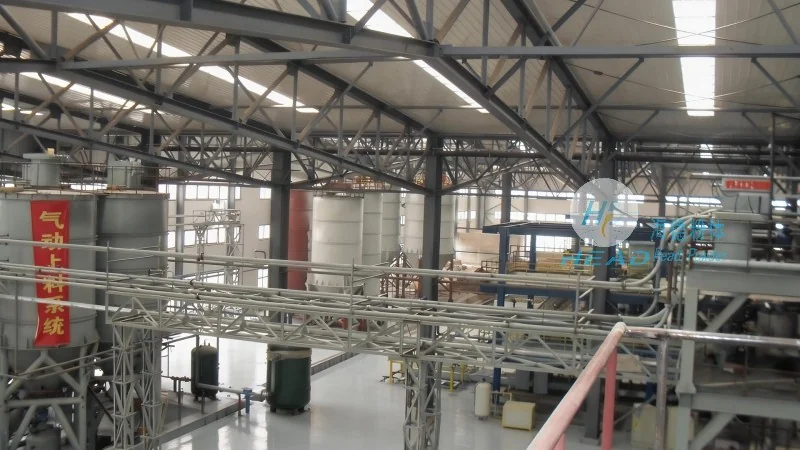
One of the key advantages of the ceramic powder pneumatic conveying system is its ability to handle materials that are difficult to transport using traditional methods, such as those with high moisture content or those that are prone to caking. The system operates by suspending the powder particles in a stream of air, which allows them to be transported over long distances without the need for intermediate storage or handling. This method is particularly effective for applications where the powder needs to be moved from a production line to a storage facility or from a storage facility to a processing unit.

The control system of the ceramic powder pneumatic conveying system is another important aspect, as it ensures the safe and efficient operation of the equipment. The system typically includes sensors and controllers that monitor the pressure, flow rate, and temperature of the system, providing real-time data to operators. This allows for immediate adjustments to be made in case of any anomalies, such as a blockage or a pressure drop. The control system may also include safety features, such as emergency shut-off valves, to prevent accidents and protect personnel and equipment.
In conclusion, the ceramic powder pneumatic conveying system is a sophisticated and efficient solution for handling ceramic powders in industrial settings. The combination of advanced design, robust construction, and intelligent control systems makes it an ideal choice for companies looking to improve their material handling processes. HeadPowder, with its expertise and commitment to quality, continues to provide top-tier solutions for the ceramic powder industry, helping businesses achieve greater efficiency and productivity in their operations.