

Introduction to Chloroprene Rubber Pneumatic Conveying System Equipment and Structural Principle
Shandong HeadPowder Engineering Co., Ltd., commonly known as headpowder, is a professional manufacturer and supplier specializing in pneumatic conveying equipment. With a base in Shandong, China, the company has established itself as a reliable partner in the field of material handling solutions. This overview focuses on the equipment used for transporting chloroprene rubber through pneumatic systems, detailing its structure and operational principles.

Key Components of Chloroprene Rubber Pneumatic Conveying Systems
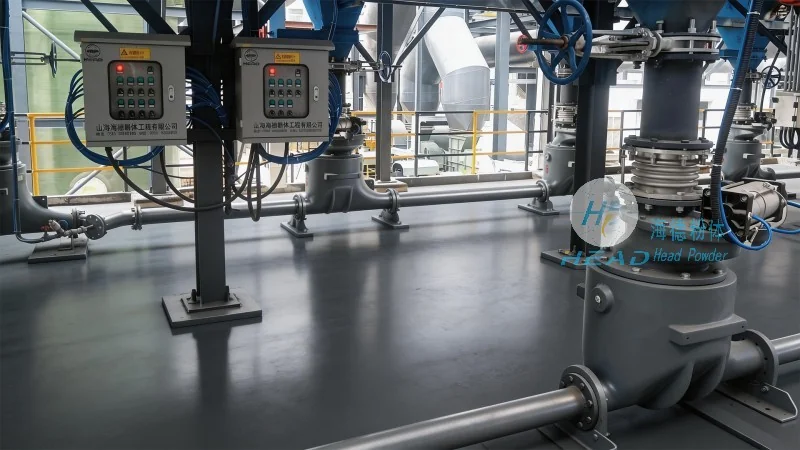
The core of a chloroprene rubber pneumatic conveying system consists of several essential components that work in tandem to ensure efficient material transport. These components include the hopper, feeder, air compressor, conveying pipeline, and receiver. Each component plays a critical role in the overall system performance.
The hopper is designed to store the chloroprene rubber, providing a consistent feed to the feeder. It is typically equipped with a discharge valve to control the flow of material. The feeder, often a rotary valve or a screw feeder, regulates the amount of rubber released into the conveying pipeline, ensuring a steady and controlled feed rate. This control is crucial for maintaining system efficiency and preventing blockages.
The air compressor generates the necessary air pressure to move the rubber particles through the pipeline. Different types of compressors, such as positive displacement or centrifugal models, may be used depending on the system's requirements. The conveying pipeline, usually made of stainless steel or other corrosion-resistant materials, transports the rubber and air mixture. The receiver, or discharge hopper, collects the material at the end of the conveying line, allowing for easy unloading and further processing.

Structural Principles of Pneumatic Conveying for Chloroprene Rubber
The structural principle of a pneumatic conveying system for chloroprene rubber is based on the use of air as the conveying medium. The system operates by creating a pressure differential between the hopper and the receiver. When the feeder releases the rubber, the air compressor supplies compressed air, which carries the rubber particles through the pipeline. The velocity of the air and the size of the rubber particles determine the conveying efficiency. Proper design of the pipeline, including bends and expansions, is essential to minimize pressure loss and maintain the material's flow.
There are two main types of pneumatic conveying systems: dilute-phase and dense-phase. Dilute-phase systems operate at higher air velocities, with the material suspended in the air stream. This method is suitable for short distances and low to medium material loads. Dense-phase systems, on the other hand, use lower air velocities and higher material concentrations, making them ideal for longer distances and high material loads. For chloroprene rubber, the choice between these systems depends on the specific application requirements, such as the distance between the source and destination, the material's properties, and the desired flow rate.
Advantages of Using Pneumatic Conveying for Chloroprene Rubber Handling
Implementing a pneumatic conveying system for chloroprene rubber offers several advantages over traditional methods like belt conveyors or bucket elevators. One of the primary benefits is the ability to handle the material in a closed system, which reduces dust emissions and improves workplace safety. This is particularly important for chloroprene rubber, which can generate fine particles that are hazardous if inhaled. Additionally, pneumatic conveying systems can handle materials with a wide range of particle sizes and shapes, making them versatile for various applications.
Another advantage is the reduced maintenance requirements compared to mechanical systems. Since there are fewer moving parts in contact with the material, the risk of wear and tear is lower. This leads to lower operational costs and less downtime for maintenance. Furthermore, the system's flexibility allows for easy integration with other processing equipment, such as mixers or extruders, enabling a seamless material handling process from storage to processing.
Applications and Industries Served by Chloroprene Rubber Pneumatic Conveying Systems
Chloroprene rubber pneumatic conveying systems are widely used in various industries that rely on the processing of rubber materials. These include the tire manufacturing industry, where chloroprene rubber is used as a key component in tire compounds. Other applications include the production of rubber gloves, seals, and other rubber products. The system's ability to handle large volumes of material efficiently makes it suitable for both small-scale and large-scale production facilities.
In the tire industry, for example, the system is used to transport chloroprene rubber from storage silos to mixing plants. This ensures a consistent and controlled feed of material, which is critical for maintaining the quality of the final tire products. Similarly, in the production of rubber gloves, the system helps in moving the rubber from the mixing stage to the molding equipment, ensuring that the material is handled hygienically and efficiently.
Conclusion and Company Commitment
Shandong HeadPowder Engineering Co., Ltd. provides comprehensive solutions for chloroprene rubber pneumatic conveying systems, combining advanced technology with expert engineering. The company's commitment to quality and customer satisfaction is reflected in the design and manufacturing of its equipment. By understanding the unique properties of chloroprene rubber and the specific requirements of each application, headpowder delivers systems that are efficient, reliable, and tailored to meet the needs of its clients. Whether for short or long-distance transport, headpowder's pneumatic conveying systems offer a superior solution for handling chloroprene rubber, ensuring smooth operations and high productivity in various industrial settings.