

What is an Oxide Copper Powder Conveying Line? And What Are Its Design Principles?
When it comes to handling oxide copper powder in industrial settings, the choice of a specialized conveying system is crucial for efficiency, safety, and product integrity. This article explores the concept of an oxide copper powder conveying line, detailing its design principles and the key factors that contribute to its effective operation.

Introduction to Oxide Copper Powder Conveying Lines
An oxide copper powder conveying line is a specialized system engineered to transport oxide copper powder—a critical material in various industrial applications—from one point to another within a production facility. These systems are designed to address the unique challenges posed by oxide copper powder, such as its fine particle size, hygroscopic nature, and potential for dust generation. The primary goal of such a line is to ensure the safe, efficient, and controlled movement of the powder while maintaining its quality and preventing contamination.
Key Components of an Oxide Copper Powder Conveying Line
The design of an oxide copper powder conveying line typically involves several interconnected components, each playing a vital role in the overall system. These components include:
1. Feeding Equipment: This is the initial stage where oxide copper powder is introduced into the system. Common feeding devices include rotary valves, screw feeders, or pneumatic feeders, which are selected based on the powder's flow characteristics and the required feeding rate. The feeding equipment must be designed to handle the powder's fine particle size and prevent blockages or bridging, which can lead to system inefficiencies.
2. Pneumatic Conveying Systems: Many oxide copper powder conveying lines utilize pneumatic conveying technology, which uses air or gas to transport the powder through a network of pipes. This method is particularly effective for fine powders like oxide copper, as it minimizes material degradation and allows for long-distance transport without the need for mechanical components that could cause wear or contamination.
3. Control Valves and Diverters: These components are used to direct the flow of oxide copper powder to different destinations within the production process. They ensure that the powder is routed correctly to storage silos, processing equipment, or packaging units, maintaining the system's flexibility and adaptability.
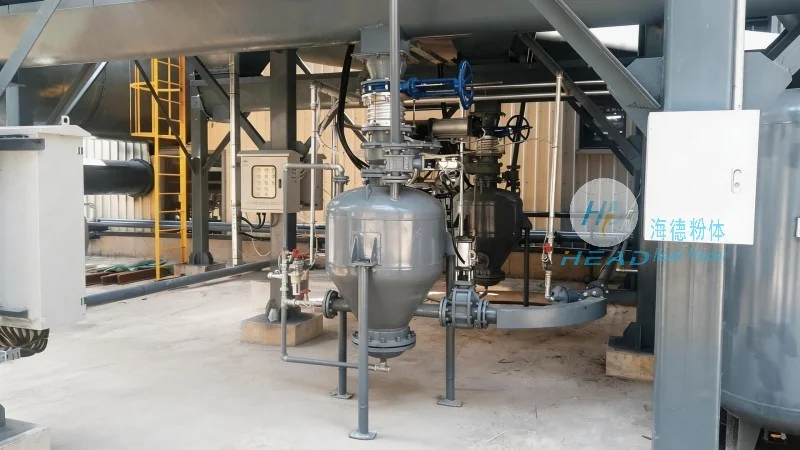
4. Filtering and Dust Collection Systems: Due to the hygroscopic and potentially hazardous nature of oxide copper powder, effective dust control is essential. The conveying line is often equipped with high-efficiency particulate air (HEPA) filters or cyclone separators to capture and remove airborne particles, ensuring compliance with environmental regulations and worker safety standards.
Design Principles for Optimal Performance
The design of an oxide copper powder conveying line is guided by several key principles to ensure reliable operation and minimal maintenance. These principles include:
1. Material Compatibility: All components of the conveying system, including pipes, valves, and fittings, must be compatible with oxide copper powder. Materials such as stainless steel, PTFE-coated components, or specialized alloys are commonly used to prevent corrosion and material interaction, which could alter the powder's properties or contaminate the system.
2. Airflow Management: Proper airflow is critical for efficient pneumatic conveying. The system is designed to maintain consistent air velocity to prevent particle settling or blockages. This involves calculating the appropriate air volume and pressure based on the powder's bulk density, particle size distribution, and the system's layout.

3. Prevention of Agglomeration: Oxide copper powder can agglomerate under certain conditions, leading to clogging and reduced system performance. The design incorporates features such as vibration devices, agitators, or anti-agglomeration additives to break up clumps and maintain the powder's free-flowing state.
4. Energy Efficiency: Modern oxide copper powder conveying lines are designed with energy efficiency in mind. This includes optimizing air pressure, reducing system losses, and using energy-saving components like variable frequency drives (VFDs) to control motor speeds and minimize power consumption.
Applications and Benefits
Oxide copper powder conveying lines are widely used in various industries, including electronics, metallurgy, and chemical manufacturing. The benefits of implementing such a system include improved process control, reduced labor costs, enhanced safety through enclosed systems, and increased product quality by minimizing contamination and degradation.
For companies dealing with oxide copper powder, investing in a well-designed conveying line can lead to significant operational advantages. The system not only streamlines the material handling process but also contributes to a more sustainable and environmentally responsible operation.
About Shandong HeadPowder Engineering Co., Ltd.
Shandong HeadPowder Engineering Co., Ltd., a leading provider of powder handling solutions, specializes in designing and manufacturing oxide copper powder conveying lines tailored to the specific needs of industrial clients. With years of experience in the field, the company combines advanced engineering principles with practical application knowledge to deliver high-quality, reliable systems. HeadPowder's facilities are located in Shandong, China, where they leverage local expertise and resources to support their global clientele.