

What is a Sulfate Nickel Powder Conveying Line? What are its Design Principles?
Understanding the design and functionality of sulfate nickel powder conveying lines is crucial for industries dealing with nickel compounds, particularly in the production and handling of sulfate nickel. These systems are engineered to efficiently transport fine powders like sulfate nickel, ensuring safety, efficiency, and compliance with industrial standards. As a leading provider in the field, Shandong HeadPowder Engineering Co., Ltd., based in Shandong, China, specializes in developing tailored conveying solutions that meet the specific needs of clients in the chemical and battery material sectors.
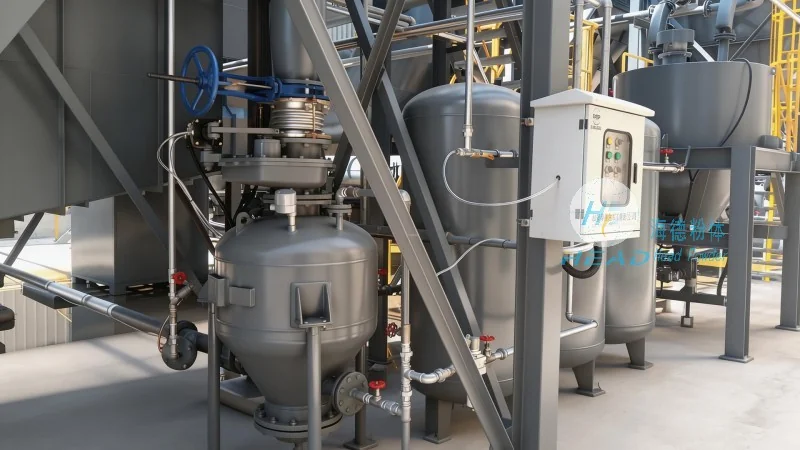
Key Components of a Sulfate Nickel Powder Conveying Line
A typical sulfate nickel powder conveying line consists of several interconnected components that work in harmony to achieve reliable material transport. The primary elements include a feeding system, which accurately meters the powder flow, a conveying mechanism such as pneumatic or mechanical systems, and a control unit that monitors and adjusts the process parameters. The feeding system often incorporates hoppers or feeders that ensure consistent material supply, preventing blockages and maintaining uniform flow rates. The conveying mechanism, whether using air pressure (pneumatic) or mechanical force (like screw conveyors or belt conveyors), is selected based on the powder characteristics and the required transport distance. Additionally, the system may include dust collection and filtration units to maintain air quality and protect personnel from exposure to fine particles. Each component is designed to handle the specific properties of sulfate nickel, which can be hygroscopic and prone to agglomeration, requiring careful consideration of material handling techniques.

Design Principles for Efficient and Safe Conveying
The design principles of a sulfate nickel powder conveying line focus on maximizing efficiency while ensuring operational safety. One of the core principles is the minimization of material degradation during transport. This involves selecting appropriate equipment that reduces friction and impact, which can cause particle breakdown or agglomeration. For example, using flexible hoses or smooth conveyor belts can help maintain particle integrity. Another critical principle is the prevention of dust explosions, a significant hazard in powder handling. The system incorporates explosion-proof designs, including spark detection and suppression systems, to mitigate risks. Furthermore, the design emphasizes energy efficiency, with variable speed drives and optimized airflow that reduce power consumption without compromising transport capacity. The control system plays a vital role in implementing these principles, using sensors to monitor pressure, flow, and temperature, and adjusting the conveying parameters in real-time to maintain optimal performance. This closed-loop control ensures that the system operates within safe and efficient limits, adapting to changes in material feed or process conditions.
Customization and Application in Industrial Settings
Shandong HeadPowder Engineering Co., Ltd. recognizes that each industrial application has unique requirements, which is why they offer customized sulfate nickel powder conveying lines. The company works closely with clients to understand their production processes, material specifications, and operational constraints. For instance, in battery material manufacturing, where sulfate nickel is used as a cathode active material, the conveying line must be designed to handle high-purity powders and maintain strict contamination control. The engineers at HeadPowder consider factors such as particle size distribution, moisture content, and bulk density to select the most suitable conveying method. They may integrate features like inline mixing or deagglomeration units to improve material flow and prevent clogging. The custom solutions also address space constraints and integration with existing production lines, ensuring seamless operation without disrupting current workflows. By tailoring the design to the specific needs of the client, HeadPowder delivers systems that enhance productivity, reduce downtime, and improve overall operational safety.

Conclusion and Importance of Professional Engineering
In conclusion, sulfate nickel powder conveying lines are sophisticated systems that require careful design and engineering to ensure safe and efficient operation. The principles outlined above—minimizing material degradation, preventing hazards, and optimizing energy use—are fundamental to their success. Companies like Shandong HeadPowder Engineering Co., Ltd., with their expertise and commitment to customization, play a vital role in providing reliable conveying solutions for industries relying on nickel compounds. By investing in well-designed conveying lines, manufacturers can enhance their production efficiency, maintain product quality, and ensure compliance with safety regulations. The future of powder handling in the chemical and battery sectors will likely see continued advancements in conveying technology, driven by the need for higher precision and sustainability. As such, partnering with experienced engineering firms like HeadPowder is essential for staying competitive and meeting the evolving demands of the industry.