

Principle and Working Scene Characteristics of Light Calcium Gypsum Pneumatic Conveying Systems
Light calcium gypsum, also known as calcium sulfate hemihydrate, is a widely used industrial material in construction, pharmaceuticals, and other sectors. The efficient and reliable transportation of this material from production sites to processing or packaging facilities is crucial for maintaining production efficiency and product quality. Pneumatic conveying systems have emerged as a preferred solution for handling light calcium gypsum due to their ability to transport materials in a dust-free, hygienic, and energy-efficient manner. This article explores the fundamental principles of light calcium gypsum pneumatic conveying lines and highlights the key characteristics of their working scenarios, with a focus on the expertise of Shandong HeadPowder Engineering Co., Ltd.

Understanding the Core Principles of Light Calcium Gypsum Pneumatic Conveying
The principle of pneumatic conveying involves the use of air or gas to transport bulk materials through a pipeline system. In the case of light calcium gypsum, the conveying process typically relies on positive pressure or negative pressure (vacuum) to move the material. Positive pressure systems use a blower to generate compressed air that pushes the material along the pipeline, while negative pressure systems employ a vacuum pump to draw the material into the pipeline. The choice between these systems depends on factors such as the distance to be covered, the material's properties, and the desired level of dust control. For light calcium gypsum, which is a fine powder with a relatively low bulk density, positive pressure systems are often preferred as they can maintain consistent flow rates and prevent material degradation.

Key Working Scene Characteristics of Light Calcium Gypsum Pneumatic Conveying Lines
The working scenarios of light calcium gypsum pneumatic conveying lines vary based on the specific application and production environment. Some common characteristics include:
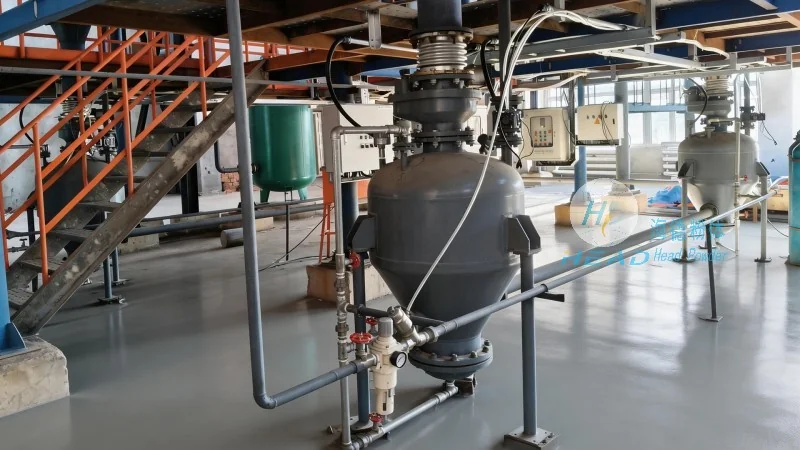
- High Efficiency and Continuous Operation: These systems are designed for continuous, high-volume material transport, ensuring that production lines operate without interruptions. The ability to handle large quantities of light calcium gypsum in a single operation reduces labor costs and increases overall productivity.
- Dust-Free and Hygienic Environment: Pneumatic conveying eliminates the need for manual handling, which can introduce dust and contaminants into the production process. This is particularly important for light calcium gypsum, which is used in applications where purity and hygiene are critical, such as in pharmaceuticals and food processing.
- Energy Efficiency and Cost-Effectiveness: Compared to traditional mechanical conveying methods like belt conveyors or bucket elevators, pneumatic conveying systems are more energy-efficient. The use of compressed air as the conveying medium reduces the need for moving parts and maintenance, leading to lower operational costs over the long term.
- Flexibility in Layout and Installation: Pneumatic conveying lines can be easily integrated into existing production facilities, allowing for flexible layout designs. The ability to install horizontal, vertical, or inclined pipelines enables the system to adapt to various spatial constraints and production requirements.
- Reduced Material Degradation: The gentle handling of light calcium gypsum by pneumatic conveying systems minimizes particle breakage and degradation, preserving the material's quality and performance characteristics. This is essential for applications where the physical properties of the gypsum, such as particle size and reactivity, need to be maintained.
Application Scenarios in Different Industries
Light calcium gypsum pneumatic conveying lines are widely used across various industries, each with specific requirements that the system addresses effectively. In the construction industry, these systems are used to transport light calcium gypsum from storage silos to mixing plants or batching systems for concrete production. The ability to handle large volumes of material in a controlled manner ensures consistent concrete quality. In the pharmaceutical and food industries, the hygienic design of pneumatic conveying systems is crucial, as they prevent cross-contamination and maintain product purity. The systems are also used in the chemical industry for transporting light calcium gypsum used as a filler or additive in various products.
Expertise of Shandong HeadPowder Engineering Co., Ltd.
Shandong HeadPowder Engineering Co., Ltd., a leading manufacturer in the field, specializes in the design, manufacturing, and installation of light calcium gypsum pneumatic conveying systems. With years of experience and a deep understanding of the material's properties, the company provides customized solutions tailored to the specific needs of its clients. The company's engineers work closely with clients to assess their production requirements, site conditions, and operational goals to develop efficient and reliable conveying systems. By leveraging advanced technology and quality materials, Shandong HeadPowder ensures that its pneumatic conveying lines meet the highest standards of performance, durability, and safety.

Conclusion
Light calcium gypsum pneumatic conveying lines represent a sophisticated and efficient solution for the transportation of this critical industrial material. The principles of pneumatic conveying, combined with the specific characteristics of light calcium gypsum, enable these systems to deliver high performance in various working scenarios. With the expertise of companies like Shandong HeadPowder Engineering Co., Ltd., businesses can benefit from reliable, cost-effective, and hygienic material handling solutions that enhance their overall operational efficiency and product quality.