

Principle and Working Scene Characteristics of Styrene Powder Conveyors
Styrene powder conveying machines are critical equipment in industrial processes, particularly for handling styrene powder efficiently. These machines are designed to transport styrene powder from storage to processing units with precision and reliability. The core principle of such equipment lies in its ability to manage the flow of powder, ensuring minimal loss and optimal performance under various operational conditions. Manufactured by Shandong HeadPowder Engineering Co., Ltd., a company based in Shandong, China, these conveyors are engineered to meet the specific demands of industrial applications.
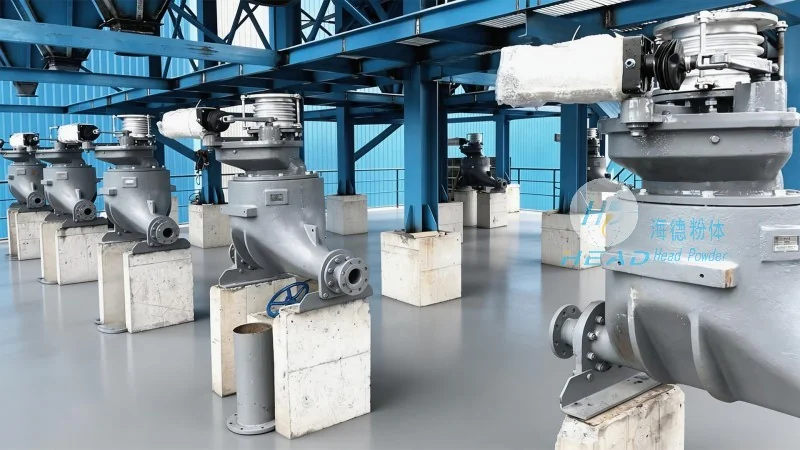
Core Working Principle of Styrene Powder Conveyors
The operation of styrene powder conveyors is based on a combination of mechanical and pneumatic systems. Typically, these machines utilize a hopper to collect the styrene powder, which is then fed into a conveyor system. The conveyor may employ screw mechanisms, pneumatic blowers, or a combination of both to move the powder. The design ensures that the powder is transported without caking or degradation, maintaining its quality throughout the process. The system is equipped with sensors and control panels to monitor flow rates and adjust pressure as needed, ensuring consistent performance.

Key Components and Their Functions
Several critical components contribute to the effective operation of styrene powder conveyors. The hopper serves as the storage and feeding unit, with a discharge valve to regulate the flow of powder. The conveyor mechanism, which may be a screw or a pneumatic tube, is responsible for transporting the powder. A blower or compressor provides the necessary air pressure to move the powder in pneumatic systems. Additionally, filtration systems are integrated to prevent dust and particles from escaping, ensuring environmental compliance and worker safety. The control system, often with digital interfaces, allows operators to adjust settings for different powder types and operational demands.

Working Scene Characteristics and Applications
Styrene powder conveyors are widely used in industrial settings where styrene is a key raw material. These include polymer manufacturing plants, chemical processing facilities, and plastic production lines. The working scene characteristics vary based on the scale of operation and the specific requirements of the production process. For instance, in large-scale polymer production, the conveyor systems are designed to handle high volumes of styrene powder, ensuring continuous operation without interruptions. In smaller-scale applications, such as laboratory or pilot plants, the conveyors are more compact and adjustable to accommodate lower powder quantities. The equipment is also suitable for environments where dust control is critical, such as in facilities adhering to strict environmental regulations. The versatility of styrene powder conveyors makes them adaptable to various industrial scenarios, from batch processing to continuous production lines.

Advantages in Industrial Applications
Implementing styrene powder conveyors offers several advantages in industrial operations. Firstly, these systems enhance efficiency by reducing manual handling of powder, minimizing the risk of contamination and product loss. The automated nature of the conveyors ensures consistent flow rates, leading to improved production throughput. Additionally, the equipment helps maintain the quality of styrene powder by preventing moisture absorption and caking, which can affect the final product's properties. The compact design of modern conveyors also saves space in industrial facilities, making them suitable for both new and existing plants. Furthermore, the integration of monitoring systems allows for real-time performance tracking, enabling quick adjustments to maintain optimal operation. These benefits collectively contribute to cost savings and increased productivity in styrene-based manufacturing processes.