

Design Considerations for Cement Aggregate Pneumatic Conveying Systems
HeadPowder, a leading engineering firm based in Shandong, China, specializes in the design and implementation of advanced pneumatic conveying systems for cement and aggregate materials. This article outlines key design considerations to ensure efficient, reliable, and cost-effective operation of such systems.
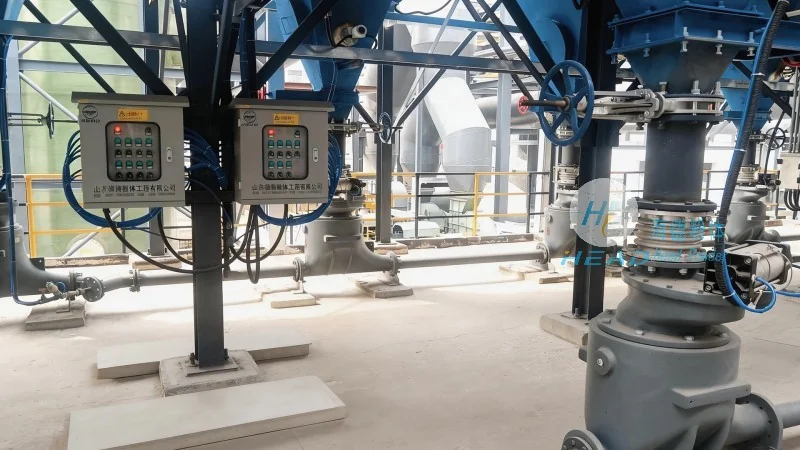
System Selection and Material Characteristics
The first step in designing a successful cement aggregate pneumatic conveying system is to carefully evaluate the material properties and operational requirements. Materials like cement, sand, and gravel have distinct characteristics that influence system design. For instance, cement is a fine, cohesive powder that can cause blockages if not handled with proper air velocity and pipeline design. Aggregate materials, such as sand or gravel, are typically coarser and may require higher air velocities to maintain flow. Understanding the particle size distribution, moisture content, and bulk density of the material is crucial for selecting the appropriate conveying method—whether it's a dilute phase, dense phase, or hybrid system. HeadPowder engineers conduct thorough material analysis to determine the optimal conveying approach, ensuring that the system can handle the specific material characteristics without compromising performance.
Pipeline Design and Layout
Pipeline design is a critical aspect of pneumatic conveying system performance. The layout should minimize bends, changes in direction, and vertical lifts to reduce pressure losses and prevent material buildup. Horizontal runs are generally preferred over vertical lifts, as vertical sections require higher air velocities to maintain flow and can increase energy consumption. When vertical lifts are necessary, they should be designed with appropriate air distribution to prevent material settling or blockages. The diameter of the pipeline is another key factor; larger diameters reduce pressure drop but increase material handling costs. Engineers at HeadPowder use computational fluid dynamics (CFD) and empirical formulas to determine the optimal pipe diameter and layout, balancing efficiency and cost. Additionally, the use of smooth, corrosion-resistant materials like stainless steel or coated steel for the pipeline is essential to prevent material adhesion and ensure long-term system reliability.

Air Source and Pressure Control
The air source is a fundamental component of any pneumatic conveying system, and its selection directly impacts system performance and energy efficiency. Compressed air is typically used as the conveying medium, and the air compressor must be sized to provide sufficient pressure and flow rate to move the material through the pipeline. The type of compressor—such as rotary screw, reciprocating, or centrifugal—depends on the system's requirements, including pressure, flow rate, and noise levels. HeadPowder recommends using variable frequency drives (VFDs) with air compressors to adjust air pressure dynamically based on the material flow rate, optimizing energy consumption. Pressure control is also critical; excessive pressure can cause material degradation or equipment damage, while insufficient pressure leads to system inefficiency or blockages. The system should include pressure relief valves and flow meters to monitor and regulate air pressure, ensuring stable operation. Proper filtration of the compressed air is essential to prevent contaminants from entering the pipeline and damaging the system components.
Seal and Material Handling Equipment
Seal design is vital to prevent material leakage and maintain system efficiency. The conveying system must be equipped with high-quality seals at all connections, including inlet and outlet points, and at any joints or bends. Mechanical seals, such as rotary seals or lip seals, are commonly used for this purpose, especially in areas with high pressure or abrasive materials. The seals must be compatible with the conveyed material to avoid degradation or failure. Material handling equipment, such as feeders and receivers, also plays a crucial role in system performance. Feeders, like rotary valves or screw feeders, control the material flow rate into the pipeline, ensuring a consistent feed to the conveying system. Receivers, typically hopper or silo designs, store the conveyed material and should be equipped with level sensors to monitor inventory levels. HeadPowder designs custom feeders and receivers tailored to the specific material characteristics and system requirements, ensuring smooth material transfer and preventing blockages or overfilling.

Control Systems and Monitoring
Advanced control systems are essential for optimizing the performance of pneumatic conveying systems and ensuring reliable operation. Modern systems often include programmable logic controllers (PLCs) and human-machine interfaces (HMIs) to monitor and control key parameters, such as air pressure, flow rate, and material level. Sensors, including pressure transducers, flow meters, and level detectors, provide real-time data to the control system, allowing for immediate adjustments if deviations occur. HeadPowder integrates advanced control systems that enable remote monitoring and diagnostics, reducing downtime and maintenance costs. The control system should also include safety features, such as emergency shut-off valves and pressure relief mechanisms, to protect personnel and equipment from potential hazards. Regular maintenance and system checks are facilitated by the monitoring capabilities, ensuring that the system operates at peak efficiency and longevity.
Installation and Maintenance Considerations
Proper installation and regular maintenance are critical to the long-term performance and reliability of pneumatic conveying systems. Installation should follow the manufacturer's guidelines and industry standards, ensuring that all components are properly aligned and secured. HeadPowder provides comprehensive installation services, including site surveys, equipment assembly, and commissioning, to ensure that the system is installed correctly and meets operational requirements. Maintenance is equally important; regular inspections of seals, pipelines, and equipment can prevent potential issues before they become major problems. The system should include a maintenance schedule that outlines routine checks, such as cleaning filters, inspecting seals, and checking for wear and tear on components. HeadPowder offers maintenance services to support clients, including on-site inspections, spare parts supply, and technical support, ensuring that the system remains in optimal condition throughout its operational life.