

Classification and Composition of Hot Dry Ash Pneumatic Conveying Systems
Hot dry ash pneumatic conveying systems represent a sophisticated solution for the efficient transport of ash generated from industrial combustion processes. These systems are integral to modern waste management strategies in power plants, incineration facilities, and other industrial operations where large volumes of hot, dry ash need to be moved from the source to storage or disposal sites. The technology leverages pneumatic principles to handle the unique physical properties of ash, ensuring reliable operation while minimizing environmental impact and operational costs.

Classification of Hot Dry Ash Pneumatic Conveying Systems
Hot dry ash pneumatic conveying systems can be categorized based on operational principles, pressure type, and system configuration. The primary classifications include:
1. Positive Pressure Systems: These systems utilize a positive pressure blower to push air and ash particles through the conveying line. The air is introduced at the discharge end, creating a forward-moving flow that transports the ash from the source. Positive pressure systems are typically employed for long-distance or high-capacity applications where consistent pressure is required to maintain flow.
2. Negative Pressure (Vacuum) Systems: In contrast, negative pressure systems rely on a vacuum pump to draw ash particles from the source and pull them through the line. The air is exhausted at the discharge end, creating a suction effect that moves the ash. This type of system is often used for shorter distances or when the ash needs to be collected from multiple points, as the vacuum can effectively capture particles from various locations.
3. Two-Phase Systems: A hybrid approach, two-phase systems combine elements of both positive and negative pressure. They may start with a positive pressure boost to accelerate the ash and then transition to a negative pressure section to maintain the flow. This configuration offers flexibility, allowing for optimization based on specific operational requirements such as varying ash loads or distance constraints.
Core Components of Hot Dry Ash Pneumatic Conveying Systems
Regardless of classification, hot dry ash pneumatic conveying systems consist of several critical components that work in tandem to ensure reliable performance. The main components include:
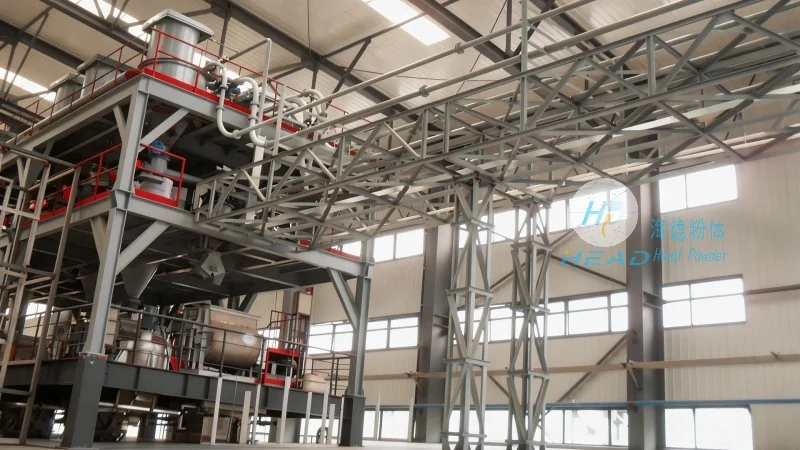
1. Ash Hopper and Feeder: The ash hopper serves as the initial collection point where ash accumulates from the boiler or combustion unit. The feeder, commonly a rotary valve or screw feeder, regulates the flow of ash into the conveying line, ensuring a consistent and controlled discharge rate. This component is essential for maintaining system efficiency and preventing blockages.
2. Conveying Line and Pipe: The conveying line is constructed from high-temperature-resistant materials such as stainless steel or specialized alloys to withstand the heat and abrasive nature of the ash. The pipe diameter and length are carefully selected based on the system's capacity and the distance to be covered, with larger diameters used for higher flow rates and longer distances.
3. Blower or Fan: The blower or fan provides the necessary air pressure or vacuum to move the ash through the system. Positive pressure systems use high-pressure blowers capable of generating sufficient force to push the ash, while negative pressure systems rely on vacuum pumps to create the suction effect. The selection of the blower is critical as it directly impacts the system's capacity, efficiency, and energy consumption.
4. Separation and Cleaning Equipment: Ash particles can be carried by the air stream, but some may settle or cause blockages. Separation equipment, such as cyclones or filters, is used to remove larger particles and clean the air before it is discharged. This ensures that the system operates efficiently, prevents contamination, and reduces the risk of system downtime due to clogging.
5. Control System: Modern hot dry ash pneumatic conveying systems are equipped with advanced control systems that monitor and regulate the flow of ash, air pressure, and temperature. These systems use sensors, automation, and digital controls to optimize performance, detect faults in real-time, and ensure safe operation. The control system may also integrate with the facility's overall process management, enhancing overall operational efficiency.
Applications and Advantages of Hot Dry Ash Pneumatic Conveying Systems
Hot dry ash pneumatic conveying systems are widely utilized in various industrial applications, including thermal power plants, waste incineration facilities, and industrial boilers. The primary advantages of these systems include:

1. Efficient and Reliable Ash Transport: These systems can transport large volumes of hot dry ash over long distances with minimal labor and maintenance. The pneumatic design eliminates the need for mechanical conveyors or trucks, reducing the risk of ash buildup and improving overall operational reliability.
2. Reduced Environmental Impact: By transporting ash to designated storage or disposal sites, these systems help minimize the environmental impact of ash disposal. They also reduce the need for manual handling, which can be hazardous, and lower the risk of dust emissions during transport.
3. Energy Efficiency: Compared to traditional methods such as truck transport or conveyor belts, hot dry ash pneumatic conveying systems are more energy-efficient. The use of compressed air or vacuum reduces the energy required for ash removal, leading to lower operational costs and a smaller carbon footprint.
4. Flexibility and Scalability: Hot dry ash pneumatic conveying systems can be designed to handle varying ash loads and can be easily scaled up or down to meet changing operational needs. This makes them suitable for both small-scale and large-scale facilities, providing flexibility in system expansion or modification.
Conclusion
Hot dry ash pneumatic conveying systems are essential for the efficient and sustainable management of ash in industrial settings. By understanding the classification and key components of these systems, facilities can select the most appropriate solution for their specific requirements. The technology continues to evolve with advancements in materials, control systems, and energy efficiency, ensuring that these systems remain a reliable and cost-effective choice for ash handling. For facilities seeking to optimize their ash management processes, investing in a well-designed hot dry ash pneumatic conveying system is a strategic decision that enhances operational efficiency and environmental responsibility.