

What is Straw Ash Material Handling Equipment? And What Are Its Design Principles?
Straw ash, a byproduct commonly generated in agricultural and biomass processing operations, requires specialized equipment for efficient transportation. This equipment is a critical component in material handling systems, directly impacting operational efficiency and cost-effectiveness in agricultural and biomass industries. Understanding the equipment and its design principles is essential for stakeholders in these sectors.
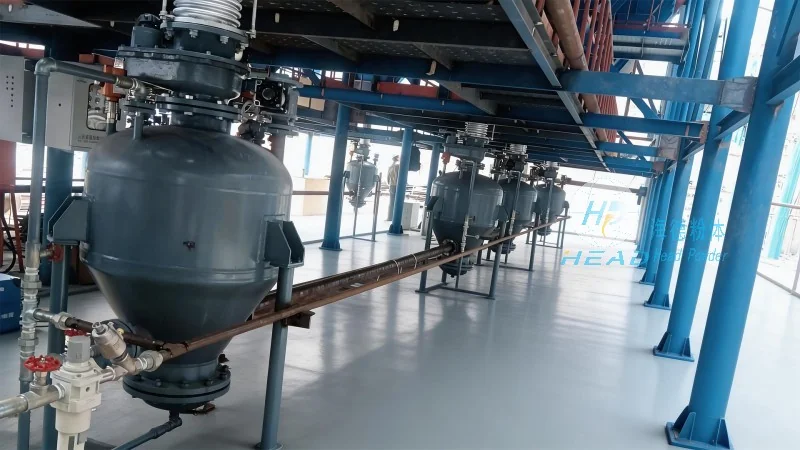
Introduction to Straw Ash Material Handling Equipment
The equipment designed for straw ash material handling is specifically engineered to address the unique characteristics of this material. Unlike traditional bulk materials, straw ash is often lightweight, prone to dust generation, and can cause blockages in standard conveyor systems. To overcome these challenges, the equipment incorporates specialized components such as high-grip belts or buckets that effectively move fine particles without excessive wear or breakdown. Additionally, dust suppression mechanisms are integrated to maintain a safe and clean working environment.
HeadPowder: A Leading Engineering Firm in Material Handling Solutions
HeadPowder, a prominent engineering company based in Shandong, China, specializes in the development and manufacturing of advanced material handling equipment for agricultural byproducts. With a strong commitment to innovation and practical application, the company has established itself as a trusted provider in the field. HeadPowder's expertise lies in creating customized solutions that meet the specific needs of clients, ensuring optimal performance and durability.

Key Design Principles for Straw Ash Handling Equipment
The design principles behind straw ash material handling equipment are centered on balancing efficiency with durability. Engineers at HeadPowder consider factors like material density, moisture content, and abrasiveness when designing components. For instance, conveyor systems may utilize high-strength materials like stainless steel or reinforced polymers to withstand the abrasive nature of straw ash. Control systems are also designed to be user-friendly, allowing operators to adjust speed and direction based on material requirements.
Integration of Safety Features in Equipment Design
Given the potential health and safety risks associated with straw ash, such as respiratory irritation and fire hazards, the equipment is equipped with robust safety features. These include dust collection systems and temperature monitoring to prevent accidents. These measures not only comply with regulations but also contribute to a more reliable and sustainable operation, enhancing workplace safety.

Operational Efficiency and System Optimization
The equipment is engineered to minimize downtime and maximize throughput. The conveyor system layout is optimized to ensure a smooth material flow, with minimal bends or changes in direction that could cause blockages. Real-time monitoring capabilities on the control panel enable quick adjustments to maintain optimal performance, ensuring consistent and efficient operation.

Scalability and Customization Options
HeadPowder's equipment is designed with scalability in mind, catering to both small-scale agricultural operations and large industrial facilities. Systems can be customized to meet specific application needs, ensuring that clients invest in equipment that is both effective and cost-effective. This flexibility allows businesses to adapt their material handling solutions as their operations grow or change.
Conclusion: Enhancing Productivity and Sustainability
Straw ash material handling equipment from HeadPowder exemplifies a blend of advanced engineering and practical design. By addressing the unique challenges of handling straw ash, the equipment improves operational efficiency, enhances workplace safety, and contributes to sustainable practices in agricultural and biomass processing. For businesses in these sectors, investing in such equipment is a strategic move towards optimizing material handling processes and boosting overall productivity.