

Carbon Powder Conveying Methods: Exploring the Options
Carbon powder, a critical material in various industrial applications, requires efficient and reliable conveying systems to ensure smooth production processes. The choice of conveying method significantly impacts operational efficiency, material integrity, and overall cost-effectiveness. This article explores the primary methods used for carbon powder transportation, highlighting the key considerations and applications for each approach.

Company Overview: Shandong HeadPowder Engineering Co., Ltd.
Shandong HeadPowder Engineering Co., Ltd., operating under the brand name headpowder, specializes in the design, manufacturing, and supply of advanced conveying solutions tailored for carbon powder handling. With a focus on innovation and customer-centric solutions, the company provides high-quality equipment that meets the diverse needs of industries such as battery manufacturing, carbon black processing, and chemical production. HeadPowder’s expertise in material handling ensures that clients receive systems optimized for performance, durability, and safety. The company’s headquarters is located in Shandong, China, where it leverages local resources and industry knowledge to deliver cutting-edge solutions.
Common Carbon Powder Conveying Methods
Several methods are commonly employed for carbon powder transportation, each with distinct advantages and applications. The selection of a method depends on factors like material properties, production scale, environmental requirements, and budget constraints. Below are the primary approaches used in industrial settings:

1. Air-Pneumatic Conveying Systems
Air-pneumatic conveying, also known as pneumatic conveying, is a widely used method for carbon powder transportation. This system utilizes compressed air to transport the powder through a pipeline. There are two main types: dilute-phase and dense-phase conveying. Dilute-phase systems are suitable for low to medium material flow rates and are ideal for short to medium distances. Dense-phase systems, on the other hand, are designed for high material loads and longer distances, offering better control over material flow and reduced product degradation. Air-pneumatic systems are known for their flexibility, as they can handle a wide range of powder characteristics, including fine and abrasive particles. The primary components of a pneumatic conveying system include a feeder, a compressor, a pipeline network, and a receiver. The feeder ensures a consistent flow of carbon powder into the system, while the compressor generates the necessary air pressure to move the material. The pipeline network transports the powder to the destination, and the receiver collects the material at the end of the line. This method is particularly effective for applications requiring dust-free or enclosed environments, as the system can be designed with sealed components to prevent contamination and environmental pollution.
2. Mechanical Conveying Systems
Mechanical conveying systems use mechanical components to move carbon powder. The most common types include screw conveyors, belt conveyors, and bucket elevators. Screw conveyors, also known as auger conveyors, are ideal for horizontal or slightly inclined transport of carbon powder. They consist of a rotating screw inside a tube, which pushes the material forward. Screw conveyors are suitable for handling dry, free-flowing powders and are commonly used in batching and mixing operations. Belt conveyors, on the other hand, are used for both horizontal and inclined transport and are particularly effective for longer distances. They consist of a continuous belt that moves over rollers, transporting the powder from one point to another. Bucket elevators are used for vertical or steeply inclined transport and are ideal for moving large quantities of material over significant heights. These systems are generally more cost-effective than pneumatic systems and are suitable for applications where air pollution is not a concern. However, mechanical systems may be less flexible in handling fine or abrasive powders and can be prone to wear and tear over time.
3. Hydraulic Conveying Systems
Hydraulic conveying systems use water or other liquids to transport carbon powder. This method is particularly useful for handling wet or sticky powders, as the liquid helps to keep the material in suspension and prevent clogging. The system typically consists of a pump, a pipeline, and a receiver. The pump circulates the liquid through the pipeline, carrying the carbon powder along with it. The liquid is then separated from the powder at the receiver, and the powder is collected for further processing. Hydraulic conveying is known for its ability to handle high material loads and long distances, making it suitable for large-scale industrial applications. However, this method requires additional equipment for liquid handling and may not be suitable for applications where water contamination is a concern.
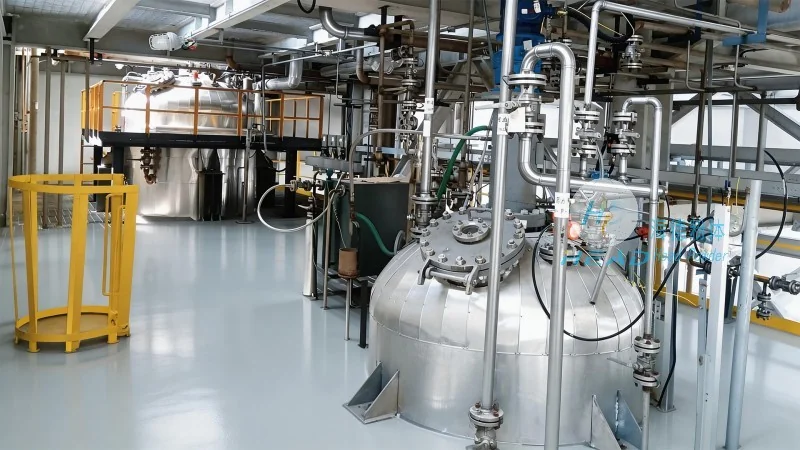
4. Vacuum Conveying Systems
Vacuum conveying systems use a vacuum to draw carbon powder into a collection container. This method is ideal for applications where the powder needs to be collected from multiple points or from a difficult-to-reach location. The system consists of a vacuum pump, a collection hose, and a receiver. The vacuum pump creates a low-pressure environment, which draws the powder into the hose and transports it to the receiver. Vacuum conveying is particularly effective for handling fine powders and is commonly used in pharmaceutical and food processing industries. However, this method is generally less efficient for high material flow rates and may not be suitable for long distances or high material loads.
Choosing the Right Conveying Method for Carbon Powder
The selection of an appropriate carbon powder conveying method is a critical decision that impacts operational efficiency and cost. Several factors should be considered when choosing a system, including the properties of the carbon powder, the required flow rate, the distance to be covered, and the environmental regulations. For example, if the carbon powder is fine and abrasive, a pneumatic or hydraulic system may be more suitable to prevent material degradation and equipment wear. If the application requires a dust-free environment, an enclosed system such as a pneumatic or vacuum conveyor is recommended. Additionally, the budget and available space should be considered, as different systems have varying capital and operational costs. It is often beneficial to consult with a specialist, such as the experts at Shandong HeadPowder Engineering Co., Ltd., to evaluate the specific needs of the application and recommend the most suitable conveying solution.