

Choosing Between Positive Pressure and Negative Pressure for Expanded Clay Aggregate Pneumatic Conve
When it comes to the pneumatic conveying of expanded clay aggregate, a critical decision for engineers and operations managers is whether to opt for positive pressure or negative pressure systems. This choice directly impacts efficiency, cost, and system reliability. Understanding the fundamental differences between these two approaches is essential for selecting the most suitable solution for specific applications. In this article, we will explore the characteristics of both positive and negative pressure pneumatic conveying systems, outline key factors to consider when making a choice, and provide guidance on how to effectively differentiate between them.

Positive Pressure Pneumatic Conveying Systems
Positive pressure systems operate by blowing air or gas into the conveying line, creating a pressure higher than the ambient air pressure. This method is commonly used for transporting materials over longer distances or through complex piping networks. The primary advantage of positive pressure systems is their ability to handle high-pressure air, which allows for greater control over the flow rate and pressure within the system. This control is particularly beneficial when dealing with abrasive or high-density materials like expanded clay aggregate, as it helps to minimize wear on the equipment and maintain consistent material transport. Additionally, positive pressure systems are generally more suitable for applications where the material needs to be discharged into a high-pressure environment, such as in industrial processing or manufacturing lines.
Negative Pressure Pneumatic Conveying Systems
Negative pressure systems, on the other hand, rely on suction to draw material into the conveying line. The system creates a vacuum or negative pressure within the line, which pulls the material from the source. This approach is often preferred for shorter conveying distances and for applications where the material needs to be collected from a low-pressure or open environment. One of the key benefits of negative pressure systems is their lower energy consumption compared to positive pressure systems, as they typically require less power to operate. However, negative pressure systems are more susceptible to clogging and material buildup in the line, especially when handling fine or abrasive particles like expanded clay aggregate. Proper maintenance and filtration are essential to ensure smooth operation and prevent system downtime.

Key Factors for Differentiating Between Positive and Negative Pressure Systems
When deciding between positive and negative pressure pneumatic conveying for expanded clay aggregate, several factors must be carefully evaluated. The first and most important consideration is the conveying distance and layout of the system. Positive pressure systems are generally more effective for longer distances, as they can maintain sufficient pressure throughout the entire line. In contrast, negative pressure systems are better suited for shorter distances or when the material source is located at a higher elevation than the destination. Another critical factor is the material characteristics, including particle size, density, and abrasiveness. For expanded clay aggregate, which often consists of lightweight, porous particles, positive pressure systems may provide better control and reduce the risk of material degradation. Conversely, if the application involves collecting material from a large open area, a negative pressure system might be more practical due to its ability to draw material from multiple points.
System Design and Equipment Considerations
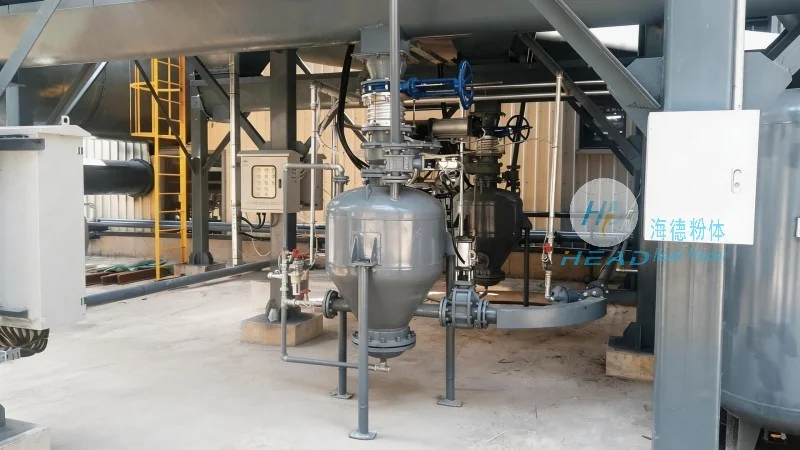
The design of the pneumatic conveying system itself plays a significant role in determining whether a positive or negative pressure approach is appropriate. Positive pressure systems typically require robust blower units capable of delivering high-pressure air, along with appropriate piping and valves to regulate pressure and flow. These systems may also include air filters and moisture separators to ensure the air used for conveying is clean and dry. Negative pressure systems, in contrast, rely on vacuum pumps or fans that can generate sufficient suction to draw material into the line. They often incorporate cyclone separators or filters at the discharge end to prevent material from escaping and to maintain system efficiency. The choice of equipment also impacts the overall cost and maintenance requirements. Positive pressure systems may have higher upfront costs due to the need for high-pressure blowers, but they can offer lower long-term maintenance costs due to reduced wear on components. Negative pressure systems, while potentially less expensive initially, may require more frequent maintenance to address clogging and filter replacement.
Application-Specific Considerations
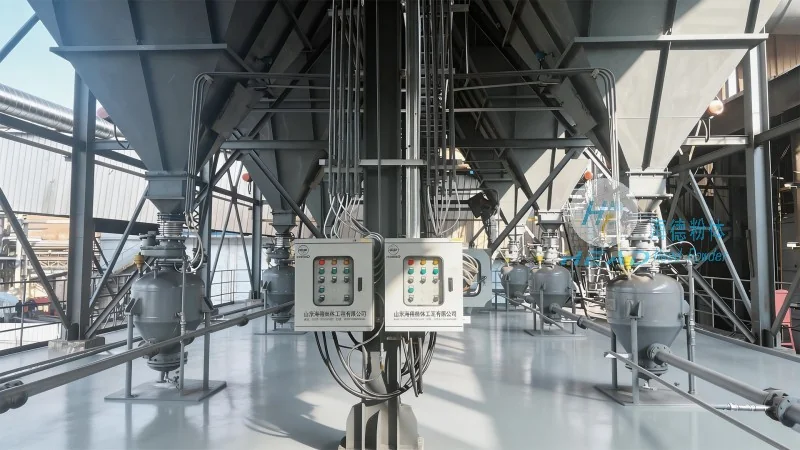
The specific application of expanded clay aggregate will heavily influence the choice between positive and negative pressure systems. For example, in construction projects where expanded clay aggregate is used as a lightweight aggregate in concrete, a positive pressure system might be preferred for transporting the material from storage silos to batching plants over relatively long distances. The ability to maintain consistent pressure and flow ensures that the material is delivered reliably to the mixing process. In industrial settings where expanded clay aggregate is used as a filter media or in filtration systems, a negative pressure system could be more suitable for collecting the material from a filter bed or collection hopper. The suction capability of the system allows for efficient material recovery without the need for additional mechanical handling. Additionally, in applications where the material needs to be discharged into a high-pressure environment, such as in a pneumatic conveying line feeding a manufacturing process, a positive pressure system is the only viable option due to its ability to handle the required pressure levels.
Conclusion
Choosing between positive pressure and negative pressure pneumatic conveying for expanded clay aggregate requires a thorough evaluation of the specific requirements of the application. Positive pressure systems offer greater control, efficiency for longer distances, and better handling of abrasive materials, while negative pressure systems provide lower energy consumption and are more suitable for shorter distances or low-pressure environments. By considering factors such as conveying distance, material characteristics, system design, and application needs, engineers can make an informed decision that optimizes performance and minimizes operational costs. Ultimately, the goal is to select a system that ensures reliable, efficient, and cost-effective transport of expanded clay aggregate, supporting the success of the overall project or operation.