

Selecting Positive Pressure vs. Negative Pressure for Corn Kernel Pneumatic Conveying: How to Distin
When it comes to transporting corn kernels via pneumatic systems, choosing the right pressure type is crucial for efficiency, cost-effectiveness, and operational safety. Two primary methods dominate the industry: positive pressure and negative pressure systems. Understanding the distinctions between these approaches is essential for selecting the optimal solution for your corn processing operations. This guide, provided by Shandong HeadPowder Engineering Co., Ltd., a leading manufacturer of pneumatic conveying systems based in China, will explore the characteristics, applications, and key factors to consider when differentiating between positive and negative pressure for corn kernel pneumatic conveying.

Understanding Positive Pressure Pneumatic Conveying
Positive pressure systems operate by blowing air or gas into the conveying line, creating a pressure higher than the ambient air pressure. This method forces the corn kernels through the pipeline using compressed air. The primary advantages of positive pressure include high conveying velocities, which allow for longer distances and larger volumes of material to be transported efficiently. Additionally, positive pressure systems are generally more suitable for abrasive materials like corn kernels, as the high-velocity air helps to reduce particle degradation and maintain product quality. The system's design typically involves a blower or compressor at the inlet, which supplies the necessary pressure to move the material. This approach is ideal for applications where the conveying distance is significant, and the material needs to be transported quickly and reliably.

Key Features of Positive Pressure Conveying for Corn Kernels
Positive pressure pneumatic conveying for corn kernels offers several distinct features that make it a preferred choice in many industrial settings. Firstly, the high pressure and velocity enable the system to handle long conveying distances, often exceeding 100 meters, without significant pressure drop. This makes it suitable for large-scale corn processing facilities where the storage and processing areas are separated by considerable distances. Secondly, the system's ability to maintain consistent flow rates ensures that the corn kernels are transported uniformly, reducing the risk of clogging or uneven material distribution. Another critical feature is the self-cleaning capability of positive pressure systems. The high-velocity air can effectively remove any residual material from the pipeline walls, minimizing the buildup of corn kernels and preventing blockages. This self-cleaning feature is particularly beneficial for handling abrasive or sticky materials like corn kernels, which can otherwise lead to system inefficiencies and maintenance issues. Furthermore, positive pressure systems are generally more resistant to external air infiltration, which helps to maintain the integrity of the corn kernels and prevent contamination from external elements. The robust design of these systems also contributes to their durability and long service life, making them a cost-effective solution for long-term corn processing operations.
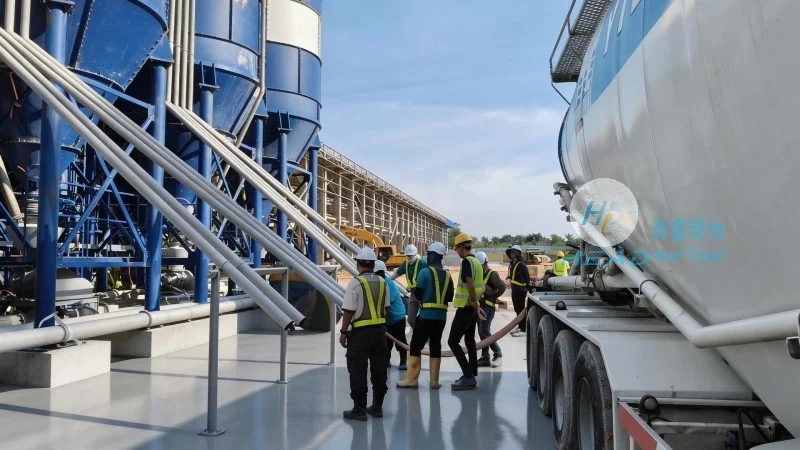
Understanding Negative Pressure Pneumatic Conveying
Negative pressure systems, on the other hand, work by creating a vacuum or reduced pressure inside the conveying line, drawing the corn kernels into the pipeline using suction. This method is often referred to as vacuum or suction conveying. The primary advantage of negative pressure is its ability to handle materials that are sensitive to pressure or temperature changes, as the system operates at lower pressures compared to positive pressure. Additionally, negative pressure systems are generally more suitable for short to medium conveying distances, typically up to 50 meters, due to the limitations imposed by pressure drop and air leakage. The system's design typically involves a vacuum pump or fan at the outlet, which creates the necessary suction to draw the material into the pipeline. This approach is ideal for applications where the material needs to be transported from a source to a destination with minimal pressure changes, such as in small-scale processing facilities or for handling materials that are prone to degradation under high pressure.
Key Features of Negative Pressure Conveying for Corn Kernels
Negative pressure pneumatic conveying for corn kernels offers unique advantages that make it suitable for specific operational requirements. Firstly, the lower operating pressure and velocity make it ideal for handling delicate or heat-sensitive corn kernels, as the system minimizes the risk of particle damage or moisture loss. This is particularly important for corn kernels that are intended for human consumption or for use in high-value applications, where product quality is paramount. Secondly, negative pressure systems are generally more energy-efficient for short conveying distances, as the vacuum pump or fan requires less power to maintain the suction compared to the blower or compressor used in positive pressure systems. This can result in lower operational costs and reduced energy consumption, making it a cost-effective solution for smaller-scale operations. Another key feature is the ability of negative pressure systems to handle materials with higher moisture content or that are prone to caking, as the lower pressure helps to prevent the material from sticking to the pipeline walls. This self-cleaning capability is particularly beneficial for handling sticky or moist corn kernels, which can otherwise lead to blockages and system downtime. Furthermore, negative pressure systems are generally more compact and easier to install, as they do not require the same level of infrastructure as positive pressure systems. This makes them a suitable choice for facilities with limited space or where the conveying distance is short and the material volume is low.

Differentiating Between Positive and Negative Pressure Systems
Distinguishing between positive and negative pressure pneumatic conveying systems for corn kernels involves evaluating several critical factors, including conveying distance, material characteristics, operational requirements, and cost considerations. The first key factor is the conveying distance. Positive pressure systems are generally preferred for longer distances, typically exceeding 50 meters, due to their ability to maintain high pressure and velocity over extended lengths. In contrast, negative pressure systems are more suitable for shorter distances, up to 50 meters, as the pressure drop and air leakage become significant factors that limit their effectiveness over longer distances. The second factor is the material characteristics. Positive pressure systems are ideal for abrasive or hard materials like corn kernels, as the high-velocity air helps to reduce particle degradation and maintain product quality. Negative pressure systems, on the other hand, are better suited for delicate or heat-sensitive materials, as the lower pressure and velocity minimize the risk of damage. The third factor is the operational requirements. Positive pressure systems are generally more suitable for high-volume, continuous operations, as they can handle larger volumes of material at higher flow rates. Negative pressure systems are more suitable for low to medium volume operations, where the material needs to be transported at a slower pace or with more precision. The fourth factor is the cost considerations. Positive pressure systems typically have higher initial costs due to the need for a blower or compressor, but they offer lower operational costs due to their higher efficiency and longer service life. Negative pressure systems have lower initial costs but higher operational costs due to the need for a vacuum pump or fan and the higher energy consumption. Finally, the system's design and maintenance requirements should also be considered. Positive pressure systems require regular maintenance of the blower or compressor and the pipeline, while negative pressure systems require maintenance of the vacuum pump or fan and the suction line. By evaluating these factors, you can effectively differentiate between positive and negative pressure systems and select the optimal solution for your corn kernel pneumatic conveying needs.