

Coal Particle Pneumatic Conveying: Positive Pressure vs. Negative Pressure - How to Differentiate?
When it comes to transporting coal particles through pneumatic systems, the choice between positive pressure and negative pressure conveying is a critical decision for industrial operations. Both methods offer distinct advantages and are suited to different operational requirements, making it essential to understand the nuances of each approach. This article aims to provide a comprehensive guide to help you make an informed choice by outlining the key differences, advantages, and typical applications of positive pressure versus negative pressure coal particle pneumatic conveying systems.

Understanding the Basics of Coal Particle Pneumatic Conveying
Pneumatic conveying is a method of transporting bulk materials, such as coal, through a pipeline using air or gas as the conveying medium. The primary goal is to move the material from a source to a destination efficiently and with minimal loss. The two main types of pneumatic conveying systems are positive pressure and negative pressure, each with its own mechanism for moving the material.
Positive Pressure Pneumatic Conveying Systems
Positive pressure systems operate by generating air pressure inside the conveying line, which forces the coal particles to move through the pipeline. The system typically includes a blower or compressor that supplies compressed air to the pipeline, creating a pressure differential that propels the material. This approach is often used for short to medium-distance transport and can handle a wide range of particle sizes and moisture content.
One of the key advantages of positive pressure systems is their ability to handle abrasive and corrosive materials without significant wear on the equipment. The high pressure also allows for the transportation of materials over longer distances compared to some negative pressure systems. However, positive pressure systems may require more robust equipment and higher energy consumption due to the need to maintain elevated pressure levels throughout the pipeline.
Negative Pressure Pneumatic Conveying Systems
Negative pressure systems, on the other hand, operate by creating a vacuum or low-pressure environment in the conveying line. The system draws the coal particles into the pipeline using a vacuum pump or fan, which pulls the material from the source and moves it to the destination. This method is commonly used for shorter distances and is particularly effective for handling fine powders and materials that are sensitive to pressure changes.
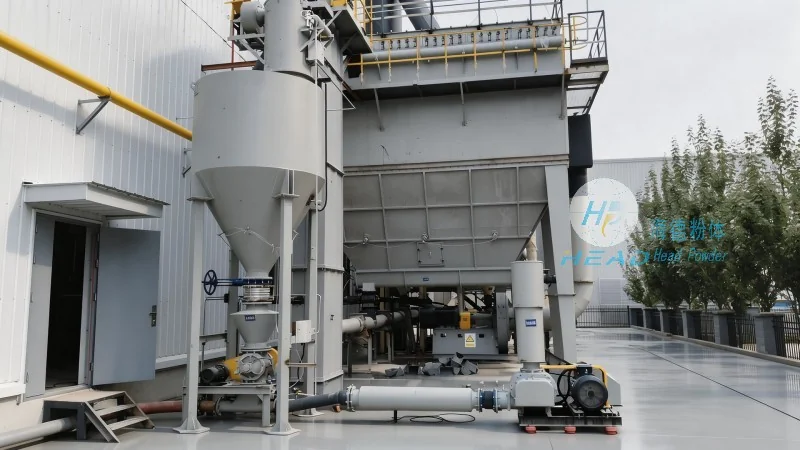
A major advantage of negative pressure systems is their lower energy consumption compared to positive pressure systems, as they do not require high-pressure air to force the material. The vacuum environment also helps to minimize dust emissions and maintain a cleaner working environment. However, negative pressure systems may be less effective for transporting abrasive or high-density materials, as the vacuum can sometimes lead to material degradation or blockages in the pipeline.
Key Factors to Consider When Choosing Between Positive and Negative Pressure Conveying
When deciding between positive and negative pressure coal particle pneumatic conveying, several factors should be considered to ensure the optimal system for your operation. These factors include the distance of the transport, the type and size of the coal particles, the required flow rate, and the overall cost of the system.
For longer distances and the transportation of coarse or abrasive coal particles, positive pressure systems are often preferred due to their ability to maintain high pressure and handle challenging materials. Conversely, for shorter distances and the handling of fine powders, negative pressure systems may be more suitable due to their lower energy requirements and ability to maintain a cleaner environment.
Another critical factor is the operational environment and safety considerations. Positive pressure systems may require additional safety measures to prevent pressure-related hazards, while negative pressure systems can help reduce dust and fume exposure, making them more suitable for applications where worker safety is a priority.
Applications and Use Cases
Both positive and negative pressure coal particle pneumatic conveying systems have a wide range of applications in the coal industry. Positive pressure systems are commonly used in coal handling plants for transporting raw coal from stockpiles to processing facilities, as well as for moving coal to storage silos or loading stations. They are also used in power plants for transporting coal from the storage yard to the boiler feed system.

Negative pressure systems are often employed in applications where dust control is essential, such as in coal preparation plants or for transporting coal to downstream processing units. They are also suitable for handling fine coal powders, which are often used in industrial applications like cement production or as a fuel source in certain manufacturing processes.
Advantages and Disadvantages Summary
Summarizing the key advantages and disadvantages of both systems can help in making an informed decision. Positive pressure systems offer higher efficiency for long-distance transport and can handle a wider range of materials, but they require more energy and robust equipment. Negative pressure systems are more energy-efficient and better for dust control, but they may be limited in distance and material handling capabilities.
Conclusion and Recommendations
Choosing between positive pressure and negative pressure coal particle pneumatic conveying systems requires a careful evaluation of operational needs, material characteristics, and cost considerations. By understanding the differences in how each system operates and the specific advantages they offer, you can select the most suitable solution for your coal handling requirements.
For expert guidance and customized solutions, Shandong HeadPowder Engineering Co., Ltd., a leading provider of pneumatic conveying systems, offers comprehensive support to help you make the right choice. With years of experience in the industry, HeadPowder specializes in designing and manufacturing efficient and reliable coal particle pneumatic conveying systems tailored to meet the unique needs of your operation.