

Choosing Between Positive Pressure and Negative Pressure for White Clay Powder Pneumatic Conveying:
When it comes to the pneumatic conveying of white clay powder, selecting the appropriate system—whether positive pressure or negative pressure—is a critical decision that impacts operational efficiency, material integrity, and overall system performance. As a leading provider in the field, Shandong HeadPowder Engineering Co., Ltd. (HeadPowder) understands the nuances of these systems and the specific requirements of handling white clay powder, a material known for its fine particle size and potential for dust generation. This article aims to guide you through the key considerations when choosing between positive pressure and negative pressure for white clay powder pneumatic conveying, helping you make an informed decision tailored to your application needs.
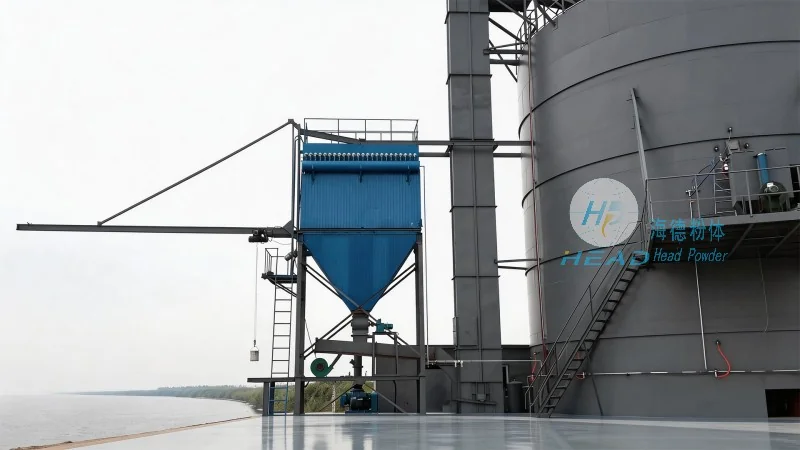
Understanding Pneumatic Conveying Systems for White Clay Powder
Before delving into the differences between positive and negative pressure systems, it’s essential to understand the fundamentals of pneumatic conveying. Pneumatic conveying is a method of transporting bulk materials through a pipeline using air or gas as the conveying medium. This technology is widely used in industries such as chemical processing, food processing, and mineral processing, where white clay powder is a common raw material. The choice of system depends on factors like material characteristics, distance of transport, system complexity, and environmental considerations. White clay powder, with its fine particle size (typically ranging from 0.1 to 100 microns) and low bulk density, presents unique challenges in terms of flowability and dust control, making the selection of an appropriate conveying system even more critical.
Differentiating Positive Pressure and Negative Pressure Conveying
Positive pressure and negative pressure are the two primary types of pneumatic conveying systems, each with distinct operating principles and applications. Positive pressure systems, also known as pressure conveying, operate by blowing air or gas into the conveying line, creating a pressure higher than the ambient air pressure. This method is effective for conveying materials over longer distances and through complex piping networks. In contrast, negative pressure systems, or vacuum conveying, create a vacuum in the conveying line, drawing material from the source into the system. Negative pressure systems are generally better suited for shorter distances and applications where material is to be collected from multiple points.

Key Factors Influencing the Choice of Conveying System for White Clay Powder
When deciding between positive and negative pressure for white clay powder, several key factors must be considered. The first factor is the distance of material transport. Positive pressure systems are typically preferred for longer distances, as they can maintain sufficient pressure to move material through longer pipelines without significant pressure drop. Negative pressure systems, on the other hand, are more suitable for shorter distances, as maintaining a vacuum over long distances can be challenging and may require more powerful vacuum pumps. The second factor is the material’s properties. White clay powder, being fine and potentially abrasive, may require systems that minimize material degradation. Positive pressure systems, with their higher air velocities, can sometimes cause more particle attrition, while negative pressure systems, with lower velocities, may be gentler on the material. However, modern designs of both systems can mitigate these issues through optimized air flow and pipeline design. The third factor is the system complexity and cost. Positive pressure systems often involve more complex equipment, such as high-pressure blowers and additional filtration, which can increase initial investment and operational costs. Negative pressure systems, while generally less expensive to install, may require more robust filtration to prevent dust leakage and maintain air quality. The fourth factor is environmental considerations. Both systems have environmental implications, but negative pressure systems may pose a higher risk of dust emissions if not properly sealed. Positive pressure systems, with their enclosed pipelines, are generally more effective at containing dust, making them a better choice for applications where dust control is a priority.
How to Distinguish Between Positive and Negative Pressure Systems for White Clay Powder
Identifying the appropriate system for white clay powder involves evaluating the specific characteristics of your operation. Here are some practical steps to help you distinguish between the two:

1. **Assess the Transport Distance**: Measure the distance between the material source and the destination. If the distance is over 100 meters or involves complex routing, positive pressure systems are likely more suitable. For shorter distances, such as within a plant or between adjacent buildings, negative pressure systems may suffice.
2. **Evaluate Material Characteristics**: Consider the particle size, bulk density, and flowability of the white clay powder. Fine particles and low bulk density may require systems with lower air velocities to prevent clogging or degradation. Positive pressure systems, with their higher air velocities, may be less suitable for very fine powders, as they can cause agglomeration or particle breakage. Negative pressure systems, with their lower velocities, are generally gentler and may be preferred for such materials.
3. **Consider System Complexity and Cost**: Evaluate your budget and the available space for equipment. Positive pressure systems require more space for blowers and filtration, and may involve higher maintenance costs due to the higher air pressure. Negative pressure systems are more compact and may have lower maintenance costs, but require careful sealing to prevent dust leakage.
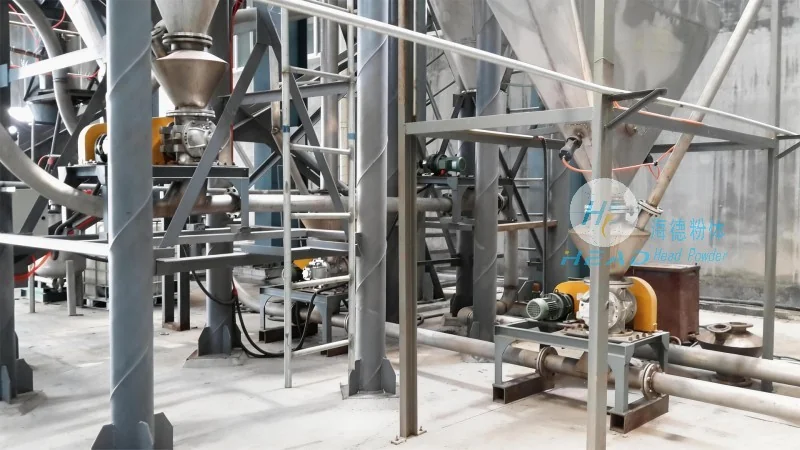
4. **Check Environmental Regulations**: If your operation is subject to strict dust emission regulations, positive pressure systems are often the better choice, as they are more effective at containing dust within the system. Negative pressure systems may need additional measures, such as local exhaust ventilation, to meet environmental standards.
Conclusion: Making the Right Choice for White Clay Powder Pneumatic Conveying
Choosing between positive pressure and negative pressure for white clay powder pneumatic conveying is a decision that requires careful consideration of multiple factors. By assessing the transport distance, material properties, system complexity, and environmental regulations, you can select the system that best meets your operational needs. Shandong HeadPowder Engineering Co., Ltd. specializes in designing and manufacturing customized pneumatic conveying systems tailored to the unique requirements of white clay powder and other fine materials. With years of experience and a commitment to quality, HeadPowder provides reliable solutions that enhance efficiency, ensure material integrity, and comply with industry standards. Whether you opt for a positive pressure or negative pressure system, the key is to choose a solution that optimizes performance while minimizing operational costs and environmental impact.