

Choosing Between Positive and Negative Pressure Pneumatic Conveying for Calcium Hydroxide Powder: Ho
When it comes to the pneumatic conveying of calcium hydroxide powder, selecting the right system—whether positive pressure or negative pressure—is crucial for efficiency, safety, and operational costs. This article explores the key differences between these two approaches, helping you make an informed decision for your specific application.

Introduction to Pneumatic Conveying Systems
Pneumatic conveying is a method of transporting bulk materials like calcium hydroxide powder through a pipeline using air or gas as the conveying medium. It offers advantages over traditional mechanical conveying, such as reduced equipment wear, lower maintenance, and the ability to handle materials in a dust-free environment. However, the choice between positive and negative pressure systems depends on several factors, including material properties, system layout, and operational requirements.
Understanding Positive Pressure Pneumatic Conveying
Positive pressure conveying operates by blowing air or gas into the conveying line, creating a pressure higher than the ambient air pressure. The material is drawn into the pipeline by the moving air stream, which then transports it to the destination. This system is often preferred for applications where the material is light and free-flowing, as it can handle longer distances and multiple transfer points without significant pressure loss.
For calcium hydroxide powder, positive pressure systems are suitable when the material is non-abrasive and has good flow characteristics. They are commonly used in industrial settings where the powder needs to be transported from a central storage silo to multiple processing units or packaging stations. The high-pressure air ensures that the powder moves efficiently through the pipeline, minimizing blockages and ensuring consistent flow rates.
Advantages of Positive Pressure Conveying
One of the primary benefits of positive pressure systems is their ability to handle long conveying distances and complex system layouts. By maintaining a constant pressure, these systems can transport materials over several hundred meters without the need for additional boosters. Additionally, positive pressure conveying is less likely to cause material degradation, as the air flow is gentle and does not introduce excessive turbulence or pressure spikes that could damage the powder particles.
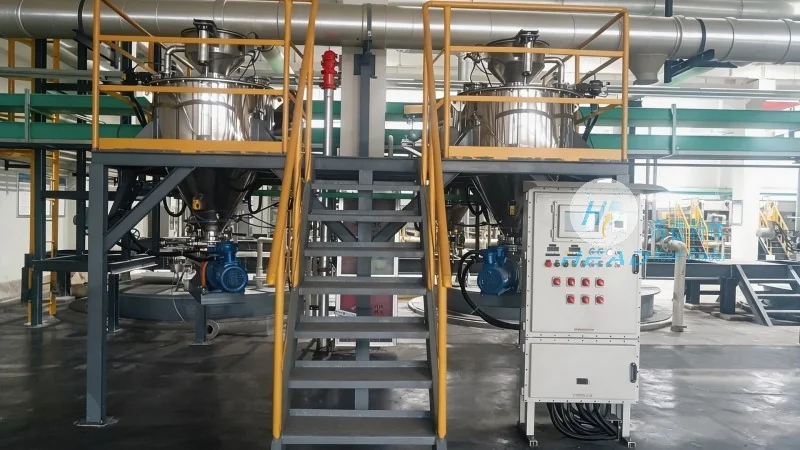
Another advantage is the ease of integration with existing infrastructure. Positive pressure systems can be connected to existing air compressors or blower units, reducing the need for additional equipment and lowering capital costs. This makes them a cost-effective solution for many industrial applications, especially when the material is already stored in a silo or hopper.
Understanding Negative Pressure Pneumatic Conveying
Negative pressure conveying, also known as vacuum conveying, works by creating a vacuum in the conveying line, which draws the material from the source into the pipeline. The material is then transported to the destination by the suction created by the vacuum pump. This system is typically used for materials that are fine, dusty, or have poor flow characteristics, as the vacuum helps to prevent material buildup and ensure consistent flow.
For calcium hydroxide powder, negative pressure systems are ideal when the material is prone to dusting or has a tendency to stick to surfaces. They are commonly used in applications where the powder needs to be collected from a hopper or a storage bin and transported to a processing unit, such as a mixer or a reactor. The vacuum helps to maintain a consistent flow rate by preventing the material from settling or clogging the pipeline.
Advantages of Negative Pressure Conveying
One of the main advantages of negative pressure systems is their ability to handle fine, dusty materials without causing excessive dust emissions. The vacuum seal prevents the material from escaping into the environment, making them suitable for applications where dust control is critical, such as in food processing or pharmaceutical industries. Additionally, negative pressure conveying is less likely to cause damage to the material particles, as the suction is gentle and does not introduce high-velocity air streams that could break down the powder.

Another benefit is the ability to handle materials from multiple sources. Negative pressure systems can be designed to collect material from several hoppers or bins simultaneously, using a single vacuum pump to transport all the material to a central processing unit. This reduces the number of pumps required and simplifies the system layout, making it more efficient and cost-effective.
Distinguishing Between Positive and Negative Pressure Systems
So, how do you determine which system is right for your calcium hydroxide powder application? The key factors to consider include:
- Material Properties: If the powder is light, free-flowing, and non-abrasive, positive pressure conveying is likely the better choice. If the powder is fine, dusty, or has poor flow characteristics, negative pressure conveying is more suitable.
- Conveying Distance: Positive pressure systems are better for longer distances (over 100 meters), while negative pressure systems are more effective for shorter distances (under 50 meters).
- Dust Control: Negative pressure systems offer better dust control, making them ideal for applications where environmental regulations are strict. Positive pressure systems may require additional dust collection equipment.
- System Complexity: Positive pressure systems are generally simpler to install and maintain, as they do not require vacuum pumps or complex sealing mechanisms. Negative pressure systems are more complex and may require more maintenance.
Application Examples
Let's consider a few real-world examples to illustrate the differences:
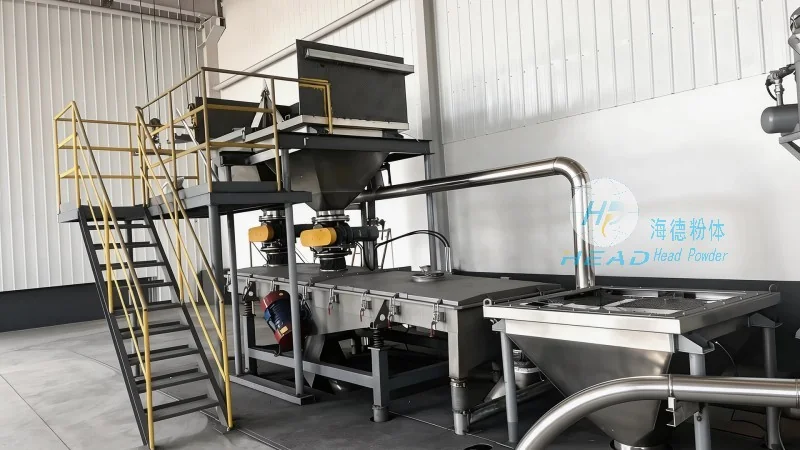
For a large-scale calcium hydroxide production plant in Shandong, China, a positive pressure system was chosen to transport the powder from the storage silo to multiple processing units. The system was designed to handle a long distance (200 meters) and multiple transfer points, with a high-pressure blower maintaining consistent flow rates. The result was a reliable and efficient operation, with minimal downtime and low maintenance costs.
In contrast, a smaller food processing facility in the same region used a negative pressure system to collect calcium hydroxide powder from a hopper and transport it to a mixer. The system was chosen for its ability to handle fine, dusty material and maintain a clean environment. The vacuum pump ensured that the powder was transported without causing dust emissions, and the system was easy to integrate with the existing processing equipment.
Conclusion
Choosing between positive and negative pressure pneumatic conveying for calcium hydroxide powder depends on a variety of factors, including material properties, conveying distance, and operational requirements. By understanding the advantages and limitations of each system, you can select the most suitable option for your application, ensuring efficient and cost-effective material transport.
Shandong HeadPowder Engineering Co., Ltd., a leading provider of pneumatic conveying solutions, offers customized systems tailored to the specific needs of each client. With years of experience in the industry, we understand the importance of selecting the right system for your calcium hydroxide powder application, and we are committed to providing reliable and efficient solutions that meet your operational goals.