

What Are the Methods of Cellulose Conveying? An Introduction to HeadPowder's Cellulose Pneumatic Conveying System
When it comes to the efficient and reliable transportation of cellulose materials, selecting the right conveying method is crucial for industrial operations. Cellulose, a versatile natural polymer widely used in various sectors such as paper manufacturing, textiles, and biofuels, demands specialized handling to ensure minimal degradation and maximum productivity. Among the diverse options available, pneumatic conveying stands out as a highly effective solution for transporting cellulose in bulk. This article explores the methods of cellulose conveying and provides an in-depth look at HeadPowder's advanced pneumatic conveying system, designed to meet the unique needs of cellulose handling in industrial settings.

Understanding Cellulose Conveying: Traditional vs. Modern Approaches
Historically, cellulose has been transported using methods like belt conveyors, screw conveyors, and bucket elevators. While these traditional systems have been in use for decades, they often face challenges such as material degradation, high maintenance costs, and limited flexibility in handling varying particle sizes. Belt conveyors, for instance, can cause friction and heat buildup, which may affect the quality of cellulose, especially when dealing with fine or sensitive particles. Screw conveyors, on the other hand, are prone to blockages and require regular cleaning, making them less suitable for continuous, high-volume operations. Bucket elevators offer vertical transport but can be noisy and inefficient for large-scale applications. In contrast, modern pneumatic conveying systems provide a more efficient, hygienic, and flexible solution for cellulose transportation. These systems use air pressure to move materials through pipelines, reducing the need for mechanical contact and minimizing the risk of contamination or degradation.

HeadPowder's Pneumatic Conveying System: A Comprehensive Solution
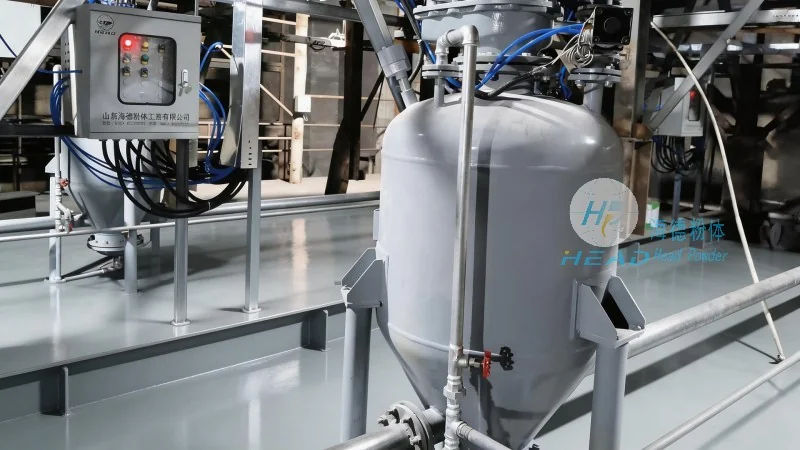
HeadPowder, a leading provider of material handling solutions, specializes in developing advanced pneumatic conveying systems tailored for cellulose and other fine powders. The company, based in Shandong, China, has built a strong reputation for its innovative and reliable equipment, serving industries worldwide. HeadPowder's cellulose pneumatic conveying system is engineered to address the specific challenges of cellulose handling, ensuring optimal performance and durability. The system incorporates state-of-the-art components, including high-efficiency blowers, flexible pipelines, and advanced control systems, all designed to maximize conveying efficiency while minimizing energy consumption. By leveraging the principles of air pressure, the system can transport cellulose over long distances with minimal loss and minimal impact on material quality. This makes it an ideal choice for applications ranging from raw material transport to finished product delivery in cellulose processing plants.
Key Features and Benefits of HeadPowder's Cellulose Pneumatic Conveying System
HeadPowder's pneumatic conveying system for cellulose offers several key features that set it apart from traditional methods. Firstly, the system is designed for low maintenance, with components that are easy to access and replace, reducing downtime and operational costs. The use of flexible hoses and pipelines allows for easy installation and adaptation to existing plant layouts, making it a cost-effective upgrade for many facilities. Secondly, the system provides excellent material handling capabilities, capable of transporting a wide range of cellulose types, from coarse fibers to fine powders, without causing breakage or degradation. This ensures that the quality of the cellulose remains consistent throughout the conveying process. Thirdly, the system is highly energy-efficient, utilizing advanced blowers that operate at optimal pressure levels, reducing energy consumption and lowering operational costs. Additionally, the system is equipped with safety features such as pressure relief valves and automatic shut-off mechanisms, ensuring safe and reliable operation in industrial environments. These features collectively contribute to a more efficient, cost-effective, and sustainable solution for cellulose transportation.
Applications and Industries Served by HeadPowder's System
HeadPowder's cellulose pneumatic conveying system is widely used in various industries that rely on cellulose as a key raw material. In the paper industry, the system is used to transport cellulose from storage to processing units, ensuring a continuous supply of raw material for paper production. In the textile industry, it helps in transporting cellulose fibers for spinning and weaving processes, improving production efficiency and material quality. The system is also utilized in the biofuels sector, where it transports cellulose from agricultural sources to conversion facilities for bioethanol or biogas production. Additionally, in the food and pharmaceutical industries, the system is employed to handle cellulose-based ingredients, ensuring hygienic and efficient transportation. By serving these diverse industries, HeadPowder's system demonstrates its versatility and effectiveness in meeting the unique conveying needs of different applications.

Conclusion: Choosing the Right Conveying Method for Cellulose
In conclusion, the choice of cellulose conveying method significantly impacts the efficiency and quality of industrial operations. While traditional methods have their limitations, modern pneumatic conveying systems like HeadPowder's offer a superior solution for handling cellulose. The system's advanced features, including low maintenance, energy efficiency, and material protection, make it an ideal choice for industries seeking to optimize their cellulose transportation processes. With its commitment to innovation and quality, HeadPowder continues to provide reliable and effective solutions for cellulose handling, helping businesses improve productivity and reduce operational costs. For companies looking to upgrade their cellulose conveying systems, HeadPowder's pneumatic conveying system represents a forward-thinking and practical solution that aligns with modern industrial needs.