

What is Lithium Carbonate Pneumatic Conveying? An Introduction to the Working Principle of Powder Ha
Understanding the pneumatic conveying of lithium carbonate is crucial for industries involved in the processing and handling of this critical material. As a key component in lithium-ion battery production, lithium carbonate requires efficient and reliable transport systems to ensure smooth operations. This article provides an overview of the working principles of a powder handling system designed for lithium carbonate, highlighting the technology and its applications.

Introduction to Pneumatic Conveying Systems
Pneumatic conveying, or air-based powder transport, is a method used to move bulk powders like lithium carbonate through a pipeline using compressed air. This technology offers several advantages over traditional mechanical conveying methods, such as reduced equipment wear, lower maintenance costs, and the ability to handle materials in a closed system, minimizing dust exposure and contamination. The core components of a typical pneumatic conveying system include a material feeder, a conveying line, a separation unit, and a receiver. Each component plays a vital role in ensuring the efficient and safe transport of lithium carbonate.
Key Components of a Lithium Carbonate Pneumatic Conveying System
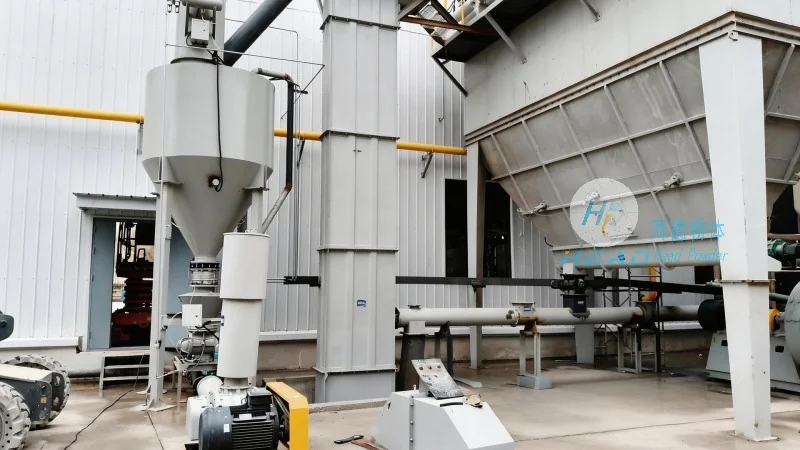
The effectiveness of a pneumatic conveying system for lithium carbonate depends on the proper integration of several key components. The material feeder, often a rotary valve or a screw feeder, is responsible for accurately metering the lithium carbonate and introducing it into the conveying line. This ensures a consistent flow rate, which is essential for maintaining system efficiency and preventing blockages. The conveying line, typically made of stainless steel or other corrosion-resistant materials, is designed to withstand the chemical properties of lithium carbonate and the effects of compressed air. The line's diameter and length are carefully selected based on the material's characteristics and the required transport distance. The separation unit, which may include a cyclone separator or a bag filter, is crucial for separating the conveying air from the material. This unit ensures that the lithium carbonate is deposited in the receiver without losing material to the air stream. Finally, the receiver, a storage vessel, collects the transported lithium carbonate, ready for further processing or use.

Working Principle of the System
The operation of a lithium carbonate pneumatic conveying system follows a sequential process. Initially, the material feeder meters the lithium carbonate and releases it into the conveying line. Simultaneously, compressed air is introduced into the line, creating a flow that propels the material forward. As the material travels through the pipeline, it is suspended in the air stream, allowing it to be transported efficiently. The air and material mixture then reaches the separation unit, where the air is separated from the solid particles. The separated air is typically vented to the atmosphere, while the lithium carbonate is collected in the receiver. This process is continuous, allowing for a steady flow of material from the source to the destination. The system's control mechanisms, such as pressure sensors and flow meters, monitor the operation to ensure optimal performance and prevent issues like overpressure or material buildup.
Advantages of Pneumatic Conveying for Lithium Carbonate
Implementing a pneumatic conveying system for lithium carbonate offers several benefits that enhance operational efficiency and product quality. One of the primary advantages is the ability to handle the material in a closed system, which significantly reduces dust generation and environmental contamination. This is particularly important for lithium carbonate, as it is a fine powder that can be hazardous if inhaled or released into the environment. Additionally, pneumatic conveying minimizes product degradation, as the material is not exposed to external elements or mechanical stress during transport. The system also offers flexibility in terms of layout, as the conveying line can be arranged in various configurations to suit the specific needs of the facility. Furthermore, the reduced maintenance requirements compared to mechanical conveying systems result in lower operational costs over time.
Applications and Industry Impact
Lithium carbonate pneumatic conveying systems are widely used in the lithium battery manufacturing industry, where the efficient transport of raw materials is critical to production throughput. These systems are also employed in other industries that handle fine powders, such as pharmaceuticals and chemicals. The reliability and efficiency of pneumatic conveying technology ensure that lithium carbonate can be transported safely and effectively, supporting the growing demand for lithium-ion batteries and other lithium-based products. As the demand for lithium continues to rise, the importance of advanced powder handling systems like pneumatic conveying becomes increasingly evident, as they play a vital role in meeting the industry's needs for consistent and high-quality material transport.
Shandong HeadPowder Engineering Co., Ltd., a leading provider of powder handling solutions, specializes in designing and manufacturing pneumatic conveying systems tailored to the specific requirements of lithium carbonate and other fine powders. With a focus on innovation and customer satisfaction, HeadPowder offers customized solutions that enhance operational efficiency and product safety. Based in Shandong, China, the company leverages its expertise in powder technology to deliver reliable and efficient systems that meet the evolving needs of the industry. For more information on lithium carbonate pneumatic conveying systems and other powder handling solutions, please visit our website or contact our team of experts.