

Introduction to Carbide Powder Pneumatic Conveying and the Working Principle of Pneumatic Conveying
Carbide powder is a critical material in various industrial applications, and efficient handling of this fine powder is essential for maintaining production efficiency and product quality. Pneumatic conveying systems offer a reliable and effective solution for transporting carbide powder from one location to another, ensuring minimal dust generation and optimal material flow. This article provides an overview of carbide powder pneumatic conveying systems, detailing their working principles and the benefits they offer to industrial operations.

Understanding Pneumatic Conveying Systems
Pneumatic conveying systems are designed to transport bulk materials, such as powders and granules, using a stream of air or gas. These systems operate by creating a pressure differential that moves the material through a pipeline. There are two main types of pneumatic conveying: pressure and vacuum systems. Pressure systems use compressed air to push the material, while vacuum systems use a vacuum to pull the material. For carbide powder, which is often abrasive and requires gentle handling, pressure systems are commonly preferred due to their ability to provide consistent and controlled flow.
The Working Principle of Carbide Powder Pneumatic Conveying
The core of a pneumatic conveying system for carbide powder involves several key components. The process begins with the material being fed into a hopper or feeder, which then transfers the powder into the conveying line. A blower or compressor generates the necessary air pressure, which then propels the powder through the pipeline. The conveying line is typically made of materials that can withstand the abrasive nature of carbide powder, such as stainless steel or special alloys, to prevent wear and tear. At the destination, the powder is collected in a receiver or silo, where it can be further processed or stored. The entire system is designed to minimize material degradation and ensure a smooth, continuous flow of carbide powder.

Benefits of Using Pneumatic Conveying for Carbide Powder
Implementing a pneumatic conveying system for carbide powder offers numerous advantages. First, it significantly reduces dust exposure, improving workplace safety and compliance with environmental regulations. Unlike traditional methods like bucket elevators or belt conveyors, pneumatic systems keep the material contained within the pipeline, preventing dust from spreading into the environment. Second, these systems are highly efficient in terms of energy consumption, as they use compressed air to move the material with minimal friction. Third, pneumatic conveying allows for flexible and scalable operations, as the system can be easily expanded or reconfigured to accommodate changes in production volume. Additionally, the gentle handling of the material ensures that the carbide powder retains its quality and properties, which is crucial for applications such as metallurgy and chemical processing.
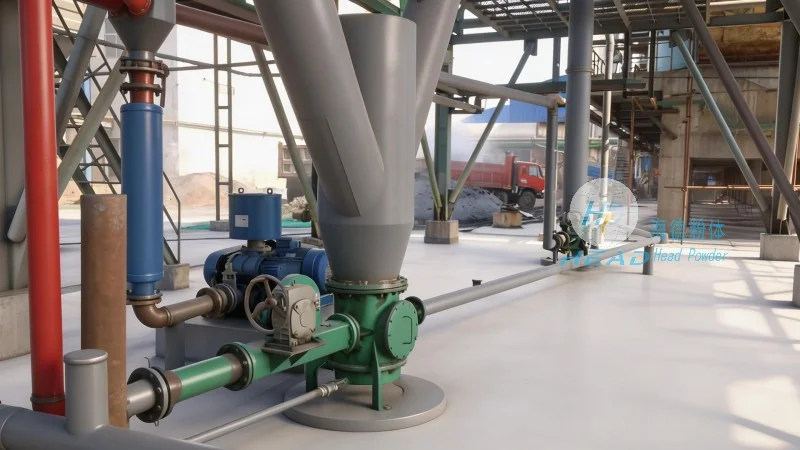
HeadPowder's Expertise in Pneumatic Conveying Solutions
Shandong HeadPowder Engineering Co., Ltd., commonly known as HeadPowder, is a leading provider of pneumatic conveying systems tailored for industrial applications, including carbide powder handling. With years of experience in the field, HeadPowder specializes in designing and manufacturing customized solutions that meet the specific needs of their clients. The company's team of engineers and technicians work closely with customers to understand their operational requirements and develop systems that optimize material flow, reduce downtime, and enhance overall productivity. HeadPowder's commitment to quality and innovation has made them a trusted partner in the industry, providing reliable and efficient pneumatic conveying solutions for carbide powder and other fine materials.

Applications of Carbide Powder Pneumatic Conveying
The use of pneumatic conveying systems for carbide powder is widespread across various industries. In the metallurgical industry, carbide powder is used to produce hard metals and cutting tools, and efficient conveying is essential for maintaining the quality of these products. In the chemical industry, carbide powder is used as a raw material for various chemical processes, and pneumatic systems ensure that the material is transported safely and without contamination. Additionally, in the manufacturing of abrasives and wear-resistant materials, carbide powder needs to be handled with care to preserve its properties. HeadPowder's pneumatic conveying systems are designed to meet the demands of these applications, providing consistent and reliable material transport.
Conclusion
Pneumatic conveying systems are a vital technology for handling carbide powder, offering efficient, safe, and reliable solutions for industrial operations. By understanding the working principles and benefits of these systems, businesses can improve their production processes and maintain high product quality. With the expertise of companies like Shandong HeadPowder Engineering Co., Ltd., industrial facilities can access tailored pneumatic conveying solutions that address their specific needs, ensuring optimal performance and long-term success. As the demand for efficient material handling continues to grow, pneumatic conveying systems remain a preferred choice for carbide powder and other fine materials, contributing to the advancement of various industrial sectors.