

Calcined Lime Handling Methods: An Introduction to HeadPowder's Pneumatic Conveying Solutions
When it comes to transporting calcined lime, selecting the right handling method is crucial for efficiency, safety, and cost-effectiveness in industrial operations. Calcined lime, also known as quicklime, is a versatile material used in various industries, including construction, chemical manufacturing, and environmental applications. The way it is transported can significantly impact the overall performance of processing lines and the quality of the final product. In this article, we will explore the different methods of calcined lime handling and introduce HeadPowder's advanced pneumatic conveying solutions, designed to meet the demanding needs of modern industrial processes.
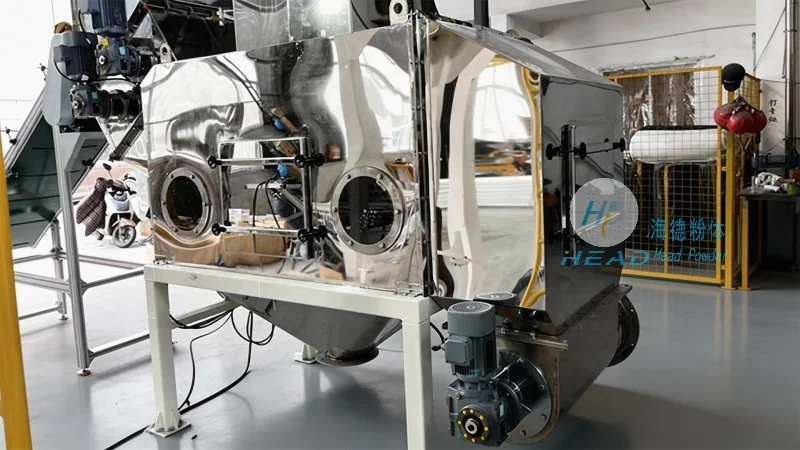
Understanding Calcined Lime Handling Requirements
Calcined lime is a fine, powdery material that can be challenging to handle due to its abrasive nature and potential for dust generation. Traditional handling methods, such as bucket elevators or belt conveyors, may not be suitable for calcined lime due to the risk of material degradation, equipment wear, and dust contamination. Therefore, specialized handling systems are required to ensure the material is transported safely and efficiently. The primary considerations for calcined lime handling include material properties, process requirements, and environmental regulations. These factors influence the choice of conveying technology and system design.

Common Calcined Lime Handling Methods
Several methods are commonly used for calcined lime handling, each with its own advantages and limitations. The most prevalent methods include:

- Pneumatic Conveying: This method uses air to transport calcined lime through a pipeline system. It is ideal for long-distance transport and can handle fine powders without the need for mechanical components that may cause wear or contamination.
- Mechanical Conveying: This includes belt conveyors, screw conveyors, and bucket elevators. While effective for certain applications, mechanical systems may not be suitable for calcined lime due to the risk of material degradation and equipment wear.
- Hydraulic Conveying: This method uses water to transport calcined lime, which is suitable for applications where dust control is a priority. However, it may not be suitable for all industrial settings due to the need for additional equipment and maintenance.
HeadPowder's Pneumatic Conveying Solutions for Calcined Lime
HeadPowder, a leading manufacturer of industrial conveying systems, specializes in providing customized pneumatic conveying solutions for calcined lime handling. Our systems are designed to address the unique challenges of calcined lime, ensuring efficient and safe transport while minimizing downtime and maintenance costs. The key features of our pneumatic conveying systems include:
- High-Pressure Pneumatic Conveying: This technology uses high-pressure air to transport calcined lime over long distances with minimal pressure loss. It is suitable for applications requiring high throughput and long transport distances.
- Low-Pressure Pneumatic Conveying: This method uses lower air pressure and is ideal for shorter transport distances or when the material is less abrasive. It is cost-effective and easy to install.
- Closed-Loop Systems: Our systems are designed to minimize dust emissions and environmental impact. The closed-loop design ensures that the calcined lime is contained within the system, reducing the risk of dust contamination and improving safety.
Benefits of Choosing HeadPowder's Calcined Lime Pneumatic Conveying Systems
Implementing HeadPowder's pneumatic conveying systems for calcined lime handling offers several benefits for industrial operations. These include:

- Improved Efficiency: Pneumatic conveying systems can transport calcined lime at high speeds, reducing processing time and increasing overall productivity.
- Enhanced Safety: The closed-loop design minimizes dust emissions, reducing the risk of respiratory issues and improving workplace safety.
- Reduced Maintenance: The absence of mechanical components reduces wear and tear, leading to lower maintenance costs and longer equipment lifespan.
- Customizable Solutions: HeadPowder provides tailored solutions to meet the specific requirements of each industrial application, ensuring optimal performance and cost-effectiveness.
Conclusion
Choosing the right calcined lime handling method is essential for optimizing industrial processes and ensuring the quality of the final product. HeadPowder's pneumatic conveying systems offer a reliable and efficient solution for transporting calcined lime, addressing the unique challenges of this material. By selecting a specialized system from HeadPowder, industrial operations can enhance productivity, improve safety, and reduce costs. For more information about our calcined lime handling solutions, please contact us at Shandong HeadPowder Engineering Co., Ltd., located in China.