

Comparison of Common Electric Calcined Slag Transport Methods: Advantages and Disadvantages
Electric calcined slag, a byproduct from the production of calcium carbide, requires efficient and reliable transport methods for industrial applications. The choice of transport method significantly impacts operational efficiency, cost, and environmental compliance. This article provides a detailed comparison of common electric calcined slag transport methods, highlighting their advantages and disadvantages to assist industrial decision-makers in selecting the most suitable option for their specific needs.
HeadPowder Engineering: Your Partner in Slag Transport Solutions
Shandong HeadPowder Engineering Co., Ltd., a leading provider of engineering solutions, specializes in the design and implementation of efficient transport systems for industrial materials. With a strong presence in China, particularly in Shandong, the company leverages its expertise to deliver tailored solutions that meet the unique requirements of clients in the chemical, metallurgical, and construction sectors. HeadPowder Engineering is committed to providing high-quality, reliable transport methods that enhance operational performance while ensuring compliance with industry standards and environmental regulations.

1. Pneumatic Conveying Systems
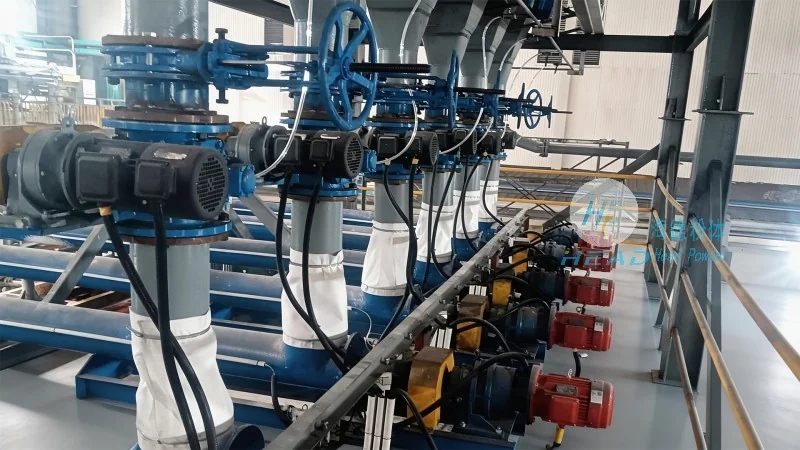
Pneumatic conveying is a popular method for transporting electric calcined slag due to its ability to handle fine powders and granular materials. This technology uses air or other gases to move the slag through a pipeline system. The primary advantages of pneumatic conveying include high transport rates, minimal material degradation, and the ability to transport materials over long distances without the need for intermediate storage. However, it also has significant disadvantages, such as high energy consumption, the need for specialized equipment, and potential issues with material segregation or blockages in the pipeline. The system's performance is highly dependent on the properties of the slag, such as moisture content and particle size, which can affect the efficiency of the conveying process.
2. Hydraulic Transport Systems
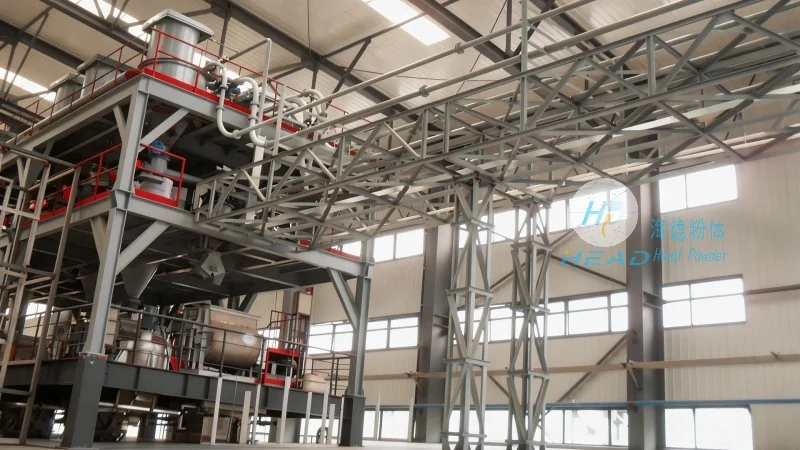
Hydraulic transport, also known as slurry transport, involves mixing the electric calcined slag with water to form a slurry that is then pumped through pipelines. This method is particularly effective for transporting larger quantities of material over moderate distances. The main advantages of hydraulic transport include lower energy consumption compared to pneumatic systems, the ability to handle larger particle sizes, and reduced material degradation. However, it also presents several challenges, including the need for additional equipment for slurry preparation and separation, higher maintenance costs due to the presence of water, and potential environmental concerns related to water usage and disposal. The system's efficiency is influenced by the viscosity of the slurry and the pressure required to maintain flow.
3. Belt Conveyor Systems
Belt conveyors are a traditional and widely used method for transporting electric calcined slag, especially in bulk material handling applications. This method involves moving the slag on a continuous belt that is supported by rollers or idlers. The primary advantages of belt conveyors include high capacity, low operating costs, and the ability to transport materials over relatively long distances. However, they also have limitations, such as the need for regular maintenance to prevent belt wear and tear, the risk of material spillage or blockages, and the requirement for horizontal or slightly inclined slopes to ensure proper material movement. The system's performance is affected by the material's density, moisture content, and the design of the conveyor belt and support structure.

4. Screw Conveyors
Screw conveyors, also known as auger conveyors, use a rotating screw to move electric calcined slag through a tube or trough. This method is suitable for transporting materials in a confined space and is often used for short to medium distances. The main advantages of screw conveyors include simplicity in design, low maintenance requirements, and the ability to handle materials with varying properties. However, they also have drawbacks, such as lower transport rates compared to other methods, potential for material degradation due to friction, and the need for regular cleaning to prevent blockages. The system's efficiency is influenced by the screw's speed, pitch, and the material's flow characteristics.