

Comparison of Common Rubber Powder Conveying Methods: Advantages and Disadvantages
When it comes to handling rubber powder in industrial settings, selecting the right conveying method is crucial for efficiency, cost-effectiveness, and operational safety. Different rubber powder conveying systems offer varying advantages and disadvantages, which can significantly impact production processes. This article provides a detailed comparison of common rubber powder conveying methods, helping businesses make informed decisions based on their specific needs.

Introduction to Rubber Powder Conveying
Rubber powder, a fine particulate material derived from recycled rubber, is widely used in various industries such as tire manufacturing, construction, and automotive parts. The efficient and safe transportation of rubber powder from storage to processing equipment is essential to maintain production continuity and minimize downtime. Conveying systems must be designed to handle the unique properties of rubber powder, including its abrasive nature, potential for dust generation, and varying particle sizes. Understanding the strengths and weaknesses of different conveying methods is key to optimizing material handling operations.
About HeadPowder: Your Trusted Rubber Powder Solutions Provider
HeadPowder, a leading manufacturer based in Shandong, China, specializes in providing high-quality rubber powder and advanced conveying solutions. With years of experience in the industry, HeadPowder has developed a reputation for delivering reliable and efficient equipment tailored to the specific requirements of its clients. The company's commitment to innovation and customer satisfaction has made it a trusted partner for businesses seeking to enhance their rubber powder handling capabilities. HeadPowder's products are designed to meet international standards and are backed by robust technical support and after-sales service.
1. Screw Conveyor (Auger Conveyor)
Screw conveyors, also known as auger conveyors, are among the most common rubber powder conveying systems. These devices consist of a rotating helical screw inside a cylindrical tube, which moves material along the length of the conveyor. Screw conveyors are particularly effective for handling dry, free-flowing rubber powder and are widely used in applications where vertical or inclined transport is required. One of the primary advantages of screw conveyors is their simplicity and low maintenance requirements. They are relatively inexpensive to install and operate, making them an attractive option for small to medium-sized operations. Additionally, screw conveyors can be easily integrated into existing production lines and are suitable for both horizontal and vertical transport.
However, screw conveyors also have several limitations. They are not well-suited for handling highly abrasive or sticky rubber powders, as the screw and tube can experience significant wear and tear over time. The risk of material buildup and blockages is also higher with screw conveyors, especially when dealing with powders that tend to clump together. Another drawback is that screw conveyors are less effective for transporting large quantities of material over long distances, as the power consumption increases significantly with the length and inclination of the conveyor. Despite these limitations, screw conveyors remain a popular choice for many rubber powder applications due to their reliability and cost-effectiveness.

2. Pneumatic Conveying System
Pneumatic conveying systems use air or other gases to transport rubber powder through a network of pipes. These systems are classified into two main types: pressure and vacuum. Pressure systems force air and material through the pipeline, while vacuum systems draw material into the system using a vacuum pump. Pneumatic conveying offers several advantages, particularly in applications requiring long-distance transport or the need to handle fine powders. One of the key benefits is the ability to transport rubber powder in a closed system, which helps to minimize dust emissions and maintain a clean working environment. This is especially important in industries where air quality regulations are strict. Pneumatic conveyors are also highly flexible, as they can be easily reconfigured to accommodate changes in production volume or layout.
Despite their advantages, pneumatic conveying systems have notable drawbacks. The primary challenge is the high energy consumption associated with operating these systems, especially for pressure systems where compressed air is required. The cost of compressed air generation and distribution can significantly impact the overall operating costs. Additionally, pneumatic conveyors are not ideal for handling abrasive or sticky rubber powders, as the internal components are prone to wear and may require frequent maintenance. The risk of material degradation due to friction and air flow is another concern, particularly for heat-sensitive rubber powders. Furthermore, the system's performance can be affected by variations in material density and particle size, which may lead to inconsistent flow rates. Despite these challenges, pneumatic conveying remains a preferred choice for many applications where dust control and flexibility are critical factors.
3. Belt Conveyor
Belt conveyors are another widely used rubber powder conveying method, particularly in applications involving large volumes of material. These systems consist of a continuous belt that moves over rollers or pulleys, transporting material from one point to another. Belt conveyors are highly effective for horizontal and slightly inclined transport and are commonly used in bulk material handling operations. One of the main advantages of belt conveyors is their ability to handle large quantities of rubber powder efficiently. They are capable of transporting material over long distances with minimal energy consumption compared to other methods. Belt conveyors are also relatively simple to operate and maintain, with fewer moving parts compared to screw or pneumatic systems. This simplicity translates to lower maintenance costs and higher reliability over time.
However, belt conveyors have their own set of limitations. They are not suitable for vertical transport or steep inclines, as the belt may slip or the material may fall off. The risk of material spillage and dust generation is also higher with belt conveyors, especially when handling fine rubber powders. The system's capacity is limited by the belt speed and width, which may not be sufficient for high-volume applications. Additionally, belt conveyors require regular cleaning and maintenance to prevent material buildup and ensure smooth operation. The initial investment for a belt conveyor system is also higher compared to other vertical conveying methods, making it less attractive for small-scale operations. Despite these drawbacks, belt conveyors are a popular choice for many bulk material handling scenarios due to their efficiency and reliability.
4. Bucket Elevator
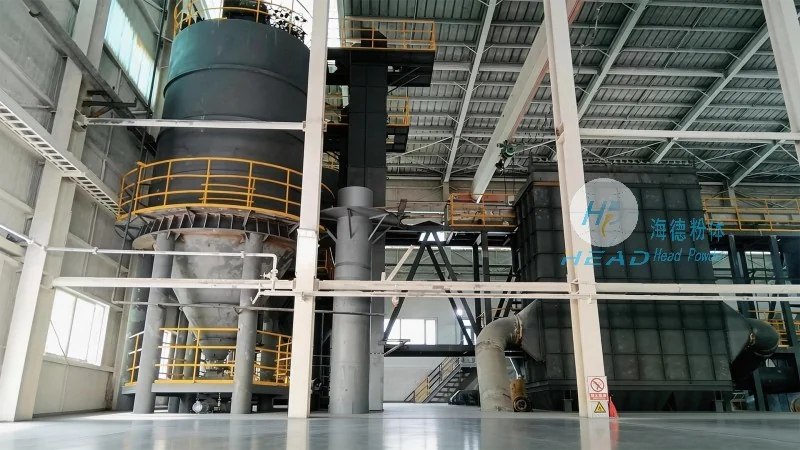
Bucket elevators are specialized rubber powder conveying systems designed for vertical transport. These devices consist of a continuous chain with buckets attached, which moves material up a vertical or steeply inclined shaft. Bucket elevators are particularly effective for handling dry, free-flowing rubber powder and are commonly used in applications where vertical transport is required, such as in silos or storage towers. One of the primary advantages of bucket elevators is their high capacity and efficiency in vertical transport. They can move large quantities of material over significant vertical distances with minimal energy consumption. The system is also relatively simple to operate and maintain, with fewer moving parts compared to other vertical conveying methods. Bucket elevators are also highly reliable, as they are less prone to material blockages and wear compared to screw conveyors.
However, bucket elevators have several limitations. They are not suitable for handling abrasive or sticky rubber powders, as the buckets and chain can experience significant wear and tear. The risk of material spillage and dust generation is also higher with bucket elevators, especially when the system is operating at high speeds. The initial investment for a bucket elevator system is also higher compared to other vertical conveying methods, making it less attractive for small-scale operations. Additionally, bucket elevators require regular inspection and maintenance to ensure proper operation and prevent mechanical failures. The system's performance can be affected by variations in material density and particle size, which may lead to inconsistent flow rates. Despite these limitations, bucket elevators remain a preferred choice for many vertical rubber powder transport applications due to their efficiency and reliability.
Conclusion: Choosing the Right Rubber Powder Conveying Method
Selecting the appropriate rubber powder conveying method depends on several factors, including the material properties, production volume, distance to be covered, and operational requirements. Screw conveyors are ideal for short-distance, horizontal or vertical transport of dry, free-flowing rubber powder. Pneumatic conveying systems are suitable for long-distance transport and applications requiring dust control. Belt conveyors are best for large-volume, horizontal transport, while bucket elevators are preferred for vertical transport. It is essential to consider the advantages and disadvantages of each method and match them with the specific needs of the operation to ensure optimal performance and cost-effectiveness.
HeadPowder, with its expertise in rubber powder handling solutions, can provide tailored conveying systems that meet the unique requirements of its clients. By understanding the strengths and weaknesses of different conveying methods, businesses can make informed decisions that enhance their operational efficiency and productivity. Whether you need a screw conveyor, pneumatic system, belt conveyor, or bucket elevator, HeadPowder offers high-quality, reliable equipment backed by robust technical support and after-sales service. Contact HeadPowder today to learn more about how their rubber powder conveying solutions can help optimize your material handling operations.