

What Is a Lightweight Aggregate Powder Conveyor? And What Are Its Design Principles?
Lightweight aggregate powder conveyors are specialized industrial equipment designed for the efficient transportation of lightweight aggregate powders, including materials like expanded clay, perlite, and vermiculite. These conveyors are essential in various industries, such as construction, agriculture, and manufacturing, where the handling of fine, low-density materials is required. The primary goal of these systems is to move lightweight aggregates from storage to processing or application areas while maintaining material integrity, minimizing dust generation, and ensuring operational efficiency. Understanding the design principles and components of these conveyors is crucial for selecting the right equipment for specific applications.
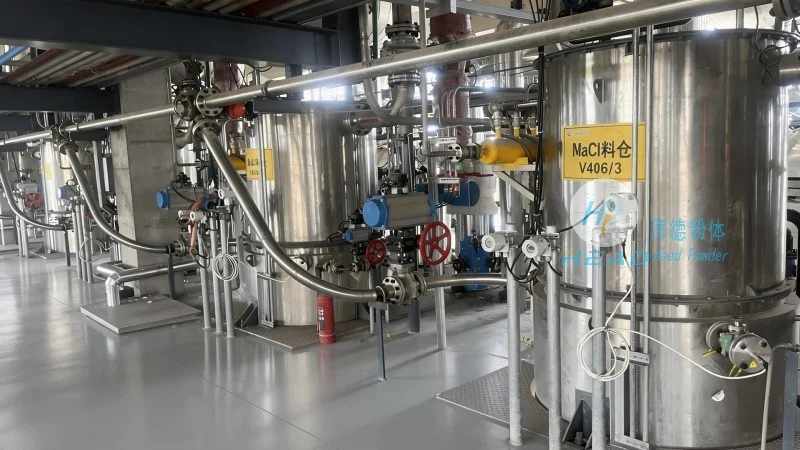
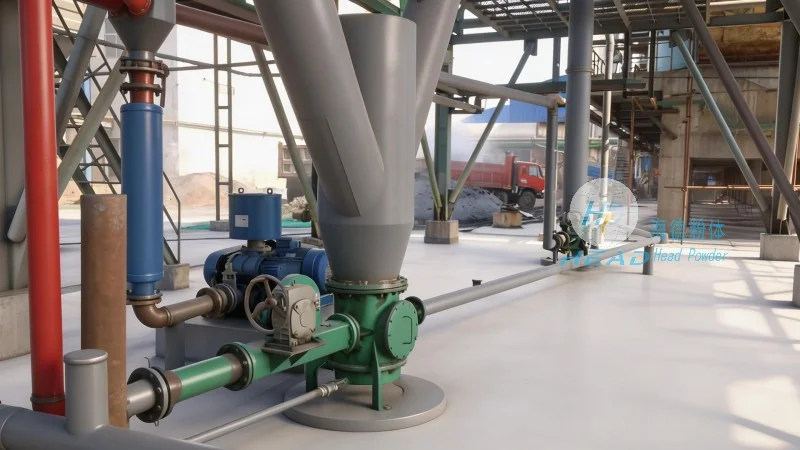
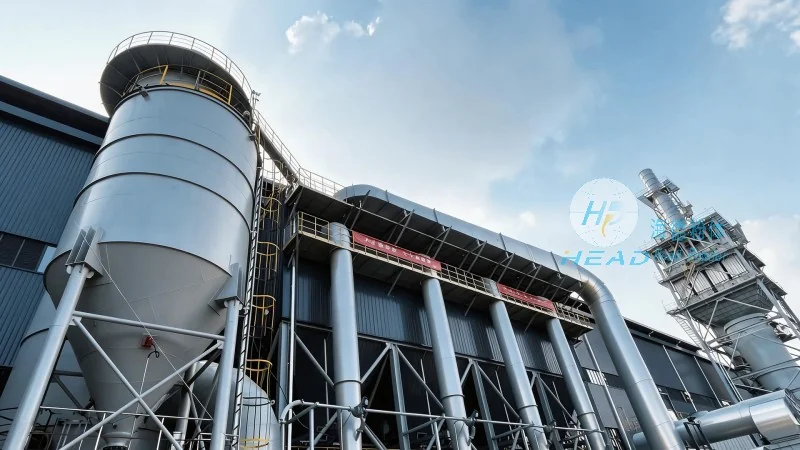
Company Overview: Shandong HeadPowder Engineering Co., Ltd.
Shandong HeadPowder Engineering Co., Ltd. is a leading manufacturer and supplier of advanced powder handling equipment. With a strong commitment to innovation and quality, HeadPowder specializes in developing customized solutions for the efficient and safe handling of lightweight aggregates. The company’s expertise lies in designing and manufacturing conveyor systems that meet the unique demands of industrial processes. HeadPowder’s products are known for their durability, energy efficiency, and reliability, making them a preferred choice for clients seeking high-performance equipment. The company’s headquarters is located in Shandong, China, where it operates a state-of-the-art manufacturing facility and research center.
Key Design Principles of Lightweight Aggregate Powder Conveyors
The design of a lightweight aggregate powder conveyor is driven by several critical principles that address the challenges posed by lightweight materials. First, the system must accommodate the low density and tendency of lightweight aggregates to settle or clump, which can lead to uneven flow and potential blockages. To mitigate this, conveyors often feature inclined chutes or screw mechanisms with variable pitch to maintain consistent material movement. Second, dust control is a major design consideration due to the fine nature of the material. Sealed housing, effective sealing of joints, and integrated filtration systems are incorporated to minimize airborne particles and protect the working environment. Third, energy efficiency is prioritized through the use of optimized motorized drives tailored to the specific load and material characteristics. Additionally, the equipment is constructed from abrasion-resistant materials to withstand the harsh conditions of handling lightweight aggregates, ensuring long-term reliability and reduced maintenance costs.