

Conveying Methods of Polyvinylidene Fluoride (PVDF): An Overview of the Advantages and Features of PVDF Pneumatic Conveying
Polyvinylidene fluoride (PVDF) is a high-performance fluoropolymer widely used in various industrial applications due to its excellent chemical resistance, thermal stability, and mechanical properties. When it comes to transporting PVDF materials, selecting the right conveying method is crucial for ensuring efficiency, safety, and product integrity. This article explores the primary conveying methods for PVDF and focuses on the advantages and characteristics of PVDF pneumatic conveying, a popular choice in many industrial settings.

Understanding PVDF and Its Conveying Requirements
PVDF, also known as polyvinylidene chloride, is a polymer that offers superior resistance to chemicals, solvents, and high temperatures. Its applications range from chemical processing equipment to semiconductor manufacturing and food processing industries. The material's properties, such as its low friction coefficient and high tensile strength, make it suitable for various processing operations. However, due to its fine particle size and potential for static charge buildup, conventional bulk material handling methods may pose challenges. Therefore, specialized conveying systems are often required to maintain the quality and safety of PVDF during transport.
Common Conveying Methods for PVDF
Several methods are used to transport PVDF, including mechanical conveying systems like screw conveyors, belt conveyors, and pneumatic conveying systems. Each method has its own advantages and limitations, depending on the material's characteristics, the distance to be covered, and the desired level of control. Mechanical conveyors are effective for bulk materials but may not be suitable for fine powders or those prone to static. In contrast, pneumatic conveying offers a more flexible and efficient solution for handling PVDF, especially in applications where dust control and product purity are critical.
Pneumatic Conveying: The Preferred Method for PVDF
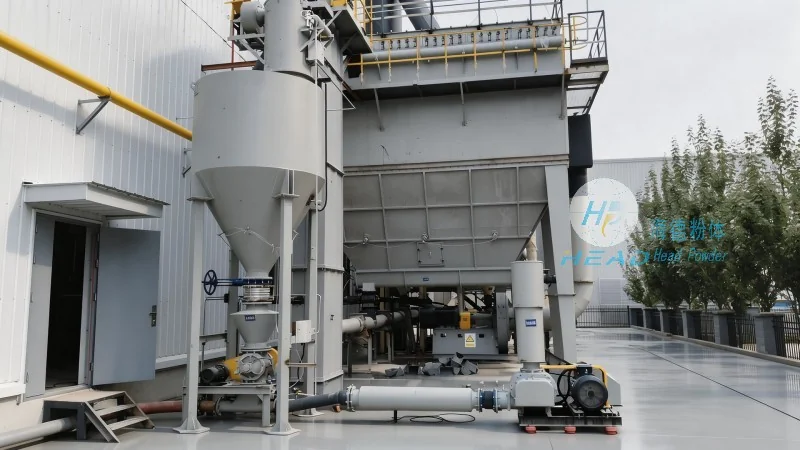
Pneumatic conveying, also known as air conveying, uses compressed air to transport PVDF particles through a pipeline system. This method is particularly advantageous for PVDF due to its ability to handle fine powders and prevent product contamination. The key components of a PVDF pneumatic conveying system include a hopper, a rotary valve, a venturi or airlock, and a filter system. The system operates by drawing PVDF particles from the hopper and transporting them through the pipeline using a controlled flow of air. This process minimizes the risk of material degradation and ensures consistent flow rates.
Advantages of PVDF Pneumatic Conveying
One of the primary advantages of PVDF pneumatic conveying is its ability to maintain product purity and prevent contamination. The closed system design eliminates exposure to external elements, reducing the risk of moisture or air contamination. Additionally, pneumatic conveying systems can handle fine powders and prevent static charge buildup, which is a common issue with other conveying methods. The flexibility of pneumatic systems allows for easy integration with existing processing lines, and they can transport materials over long distances with minimal loss. Another key benefit is the ability to control the flow rate and pressure, ensuring precise material delivery to downstream processes.

Key Features of PVDF Pneumatic Conveying Systems
Modern PVDF pneumatic conveying systems are designed with several features that enhance their performance and reliability. These include: 1. High-Pressure Air Systems - Equipped with high-pressure air compressors to ensure efficient material transport, even for fine powders. 2. Specialized Hoppers and Valves - Custom-designed hoppers and rotary valves to prevent material bridging and ensure consistent feeding. 3. Filter and Dust Collection Systems - Advanced filtration systems to capture fine particles and maintain air quality, reducing environmental impact. 4. Control Systems - Integrated control panels that allow for real-time monitoring and adjustment of system parameters, ensuring optimal performance.

Applications of PVDF Pneumatic Conveying
PVDF pneumatic conveying is widely used in various industries where the handling of fine powders is essential. Some common applications include: 1. Chemical Processing - Transporting PVDF powders for the production of coatings, adhesives, and specialty chemicals. 2. Semiconductor Manufacturing - Handling PVDF materials used in the fabrication of electronic components and devices. 3. Food and Beverage Industry - Conveying PVDF-based additives or packaging materials in food processing facilities. 4. Pharmaceutical Industry - Transporting PVDF powders used in the manufacturing of drug delivery systems and medical devices.
Conclusion
PVDF is a versatile and high-performance polymer, and its efficient transportation is critical for maintaining product quality and operational efficiency. Among the various conveying methods available, PVDF pneumatic conveying stands out as a reliable and effective solution, offering advantages such as product purity, flexibility, and control. By understanding the specific requirements of PVDF and selecting the appropriate conveying system, industries can ensure smooth and safe material handling processes. Shandong HeadPowder Engineering Co., Ltd., a leading provider of engineering solutions, specializes in designing and manufacturing customized PVDF pneumatic conveying systems tailored to meet the unique needs of different industries. With years of experience and a commitment to quality, HeadPowder offers innovative solutions that enhance the performance and reliability of PVDF handling operations.