

Common Barite Powder Conveying Methods: An Overview of Pneumatic Conveying for Barite Powder
Barite powder, a widely used industrial material, requires efficient and reliable conveying methods to ensure smooth production processes. For companies dealing with barite powder, selecting the right conveying system is crucial to maintain operational efficiency and product quality. This article explores common barite powder conveying methods, with a focus on pneumatic conveying, and provides insights into the technology and applications.

Introduction to Barite Powder Conveying
Barite, or barium sulfate, is a heavy mineral used in various industries such as oil drilling, medical imaging, and manufacturing. Its fine powder form necessitates specialized handling to prevent dust accumulation, material loss, and equipment wear. Conveying barite powder efficiently involves considering factors like material properties, distance, volume, and environmental regulations. Traditional methods like belt conveyors and screw conveyors have limitations when dealing with fine powders, making pneumatic conveying a preferred solution for many applications.
Common Barite Powder Conveying Methods
Several methods are employed to transport barite powder, each with its advantages and limitations. The primary options include mechanical conveyors, pneumatic systems, and hybrid solutions. Mechanical conveyors, such as belt and screw conveyors, are suitable for bulk material handling but may struggle with fine powders due to issues like dust generation and blockages. In contrast, pneumatic conveying systems offer a more effective solution by using air to transport the powder through pipelines, minimizing contamination and ensuring consistent flow.
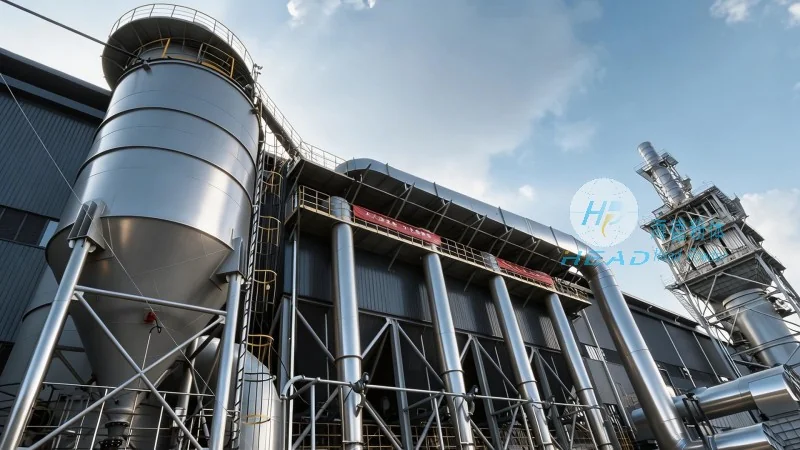
Pneumatic Conveying for Barite Powder: How It Works
Pneumatic conveying, also known as air conveying, utilizes compressed air to move barite powder through a closed system of pipes. The process involves generating a pressure differential that draws the powder into the pipeline, where it is carried by the air stream to the destination. There are two main types of pneumatic conveying: pressure and vacuum systems. Pressure systems use positive pressure to push the powder, while vacuum systems use negative pressure to pull it. For barite powder, pressure systems are often preferred due to their ability to handle higher volumes and longer distances without significant pressure loss.
Advantages of Pneumatic Conveying for Barite Powder
Implementing pneumatic conveying for barite powder offers several benefits that enhance operational performance. One key advantage is the reduction of dust exposure, which is critical for maintaining a safe working environment and complying with occupational health regulations. Pneumatic systems also minimize material degradation and loss, as the powder is contained within the pipeline, preventing spillage and contamination. Additionally, these systems are highly flexible, allowing for easy integration with existing production lines and the ability to transport materials to multiple destinations from a single source.

Key Considerations for Pneumatic Conveying Systems
When selecting a pneumatic conveying system for barite powder, several factors must be considered to ensure optimal performance. The first is the material's properties, including particle size, density, and moisture content, as these affect the system's design and efficiency. The second is the conveying distance and volume requirements, which determine the system's capacity and pressure needs. Other considerations include the system's energy efficiency, maintenance requirements, and compatibility with existing infrastructure. Proper system sizing and design are essential to avoid issues like pressure drop, material blockage, and air leakage, which can impact overall efficiency.

Applications of Pneumatic Conveying in Barite Powder Handling
Pneumatic conveying is widely used in various applications involving barite powder. In the oil and gas industry, for example, barite is used as a weighting agent in drilling fluids, and pneumatic systems are employed to transport it from storage to the drilling site. In the medical field, barite is used in X-ray imaging, and pneumatic conveying ensures that the powder is delivered to production facilities without contamination. Additionally, in manufacturing processes, pneumatic systems are used to transport barite powder to mixing and processing equipment, ensuring consistent material flow and quality control.
Conclusion: Choosing the Right Conveying Method for Barite Powder
For companies dealing with barite powder, selecting the appropriate conveying method is critical to maintaining operational efficiency and product quality. While mechanical conveyors have their uses, pneumatic conveying offers significant advantages for fine powder handling, including reduced dust, minimal material loss, and flexibility. By considering factors such as material properties, conveying distance, and system requirements, companies can choose the most suitable conveying method for their needs. As the demand for barite powder continues to grow, the adoption of efficient conveying systems like pneumatic conveying will remain essential for maintaining competitive advantage and operational excellence.