

How to Design a Reasonable Foam Particle Pneumatic Conveying System Plan?
Designing an efficient and reliable foam particle pneumatic conveying system is a critical task for industries dealing with bulk materials. The process involves careful consideration of various factors to ensure optimal performance, safety, and cost-effectiveness. This article provides a comprehensive guide to designing a reasonable foam particle pneumatic conveying system, focusing on key design principles and practical considerations.

About HeadPowder Engineering
HeadPowder, a leading provider in the field, specializes in engineering solutions for pneumatic conveying systems. With years of experience, HeadPowder offers tailored designs that meet the specific needs of clients. The company is headquartered in Shandong, China, and has established a strong reputation for delivering high-quality, reliable systems.
Key Design Factors for Foam Particle Pneumatic Conveying
The success of a foam particle pneumatic conveying system hinges on several key design factors. These include the material properties of the foam particles, the system's operating pressure and flow rate, the choice of conveying line configuration, and the selection of appropriate equipment such as pumps, filters, and controls. Each of these elements must be carefully evaluated to ensure the system operates efficiently and safely.

System Components and Their Roles
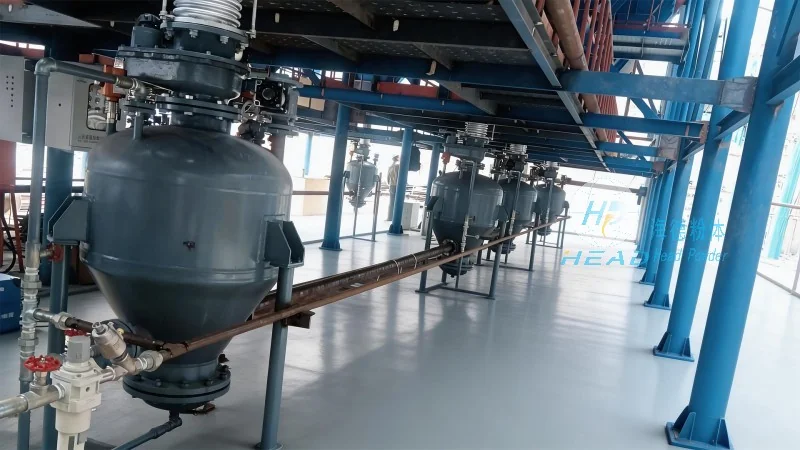
A typical foam particle pneumatic conveying system consists of several essential components. The primary components include the material feed hopper, the air supply system (often using a blower or compressor), the conveying line (which may be flexible or rigid), and the material discharge unit. Each component plays a crucial role in the overall operation. For instance, the feed hopper ensures a consistent material flow, while the air supply provides the necessary pressure to move the particles through the line. The conveying line's design, including its diameter and length, directly impacts the system's performance and efficiency.
Step-by-Step Design Process
The design process for a foam particle pneumatic conveying system typically involves the following steps: first, conducting a thorough analysis of the material properties, including particle size, density, and moisture content. Next, determining the required air flow rate and pressure based on the material characteristics and system layout. Then, selecting the appropriate equipment and components that match the system's specifications. Finally, performing simulations and tests to validate the design and ensure it meets operational requirements.
Advantages of a Well-Designed Foam Particle Pneumatic Conveying System
A well-designed system offers numerous benefits, including improved material handling efficiency, reduced labor costs, and enhanced safety. By minimizing material degradation and preventing dust emissions, these systems contribute to a cleaner and more sustainable operation. Additionally, the flexibility of pneumatic conveying allows for easy integration with existing production lines, making it a preferred choice for many industries.
Conclusion and Contact Information
Designing a reasonable foam particle pneumatic conveying system requires a systematic approach and expertise in material handling engineering. HeadPowder Engineering, with its extensive experience and commitment to quality, provides comprehensive solutions tailored to the unique needs of each client. For more information or to discuss your specific requirements, please contact HeadPowder Engineering, located in Shandong, China.