

Working Principle and Features of Ferrous Oxide Material Handling
Understanding the working principle and features of ferrous oxide material handling is crucial for optimizing industrial processes, especially in sectors that rely on efficient material transport and processing. This article delves into the core mechanisms and key characteristics of ferrous oxide material handling systems, providing insights into how these systems operate and what makes them effective in various industrial applications.

Introduction to Ferrous Oxide Material Handling
Ferrous oxide, commonly known as iron oxide, is a widely used material in industries such as metallurgy, construction, and chemical manufacturing. Efficient handling of this material is essential to ensure smooth production workflows and minimize operational disruptions. The methods and technologies used for ferrous oxide material handling have evolved significantly over the years, incorporating advanced engineering solutions to meet the demands of modern industrial operations.
Working Principle of Ferrous Oxide Material Handling Systems
The working principle of ferrous oxide material handling systems typically involves the use of specialized equipment designed to transport, store, and process iron oxide materials. These systems often integrate components such as conveyors, elevators, and storage silos, working in tandem to achieve seamless material flow. The core mechanism revolves around the movement of ferrous oxide from its source to the processing or storage location, with each component playing a specific role in the overall operation.
For instance, conveyor systems are commonly employed to transport ferrous oxide over short to medium distances, utilizing belts or rollers to move the material efficiently. Elevators, on the other hand, are used to lift the material vertically, enabling it to be moved to higher levels or different floors within a facility. Storage silos are designed to hold large quantities of ferrous oxide, providing a stable and controlled environment for material storage.
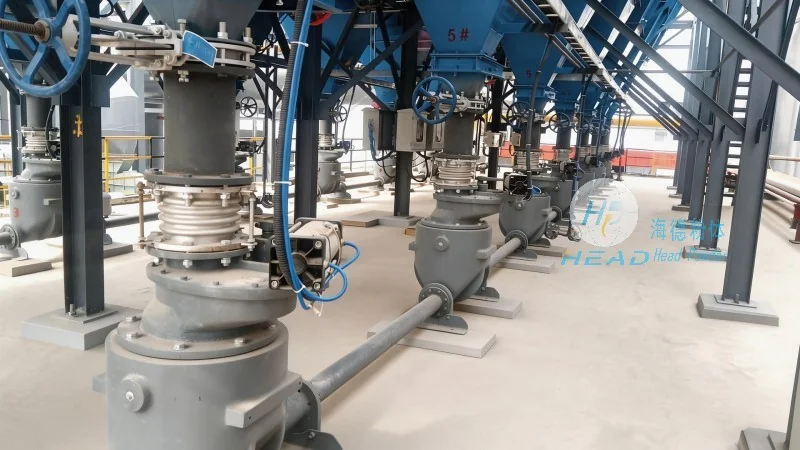
Control systems, often integrated with sensors and automation technologies, monitor the flow of ferrous oxide and adjust the operation of the handling equipment as needed. This ensures that the material is handled safely and efficiently, minimizing the risk of spills, blockages, or other operational issues. The working principle also emphasizes the importance of maintaining proper material flow rates and ensuring that the handling equipment is properly maintained to prevent breakdowns or inefficiencies.
Key Features of Ferrous Oxide Material Handling
Several key features distinguish ferrous oxide material handling systems from other material handling solutions. These features are designed to enhance performance, safety, and efficiency in industrial settings. One of the primary features is the robust construction of the handling equipment, which is built to withstand the physical properties of ferrous oxide, such as its weight and potential abrasiveness. This ensures that the equipment can operate reliably over extended periods without significant wear and tear.
Another important feature is the adaptability of the systems to different operational requirements. Ferrous oxide material handling systems can be customized to handle various forms of iron oxide, including powders, pellets, or bulk materials. This flexibility allows industries to use the same handling system for different applications, reducing the need for multiple pieces of equipment and streamlining operations.

Efficiency is a critical feature of these systems, with advanced technologies such as automated controls and energy-efficient designs contributing to reduced operational costs. The use of sensors and real-time monitoring enables operators to track the material flow and identify any issues promptly, minimizing downtime and improving overall productivity. Additionally, the systems are designed with safety in mind, incorporating features such as emergency stop mechanisms and protective enclosures to prevent accidents and ensure the well-being of workers.
Applications and Benefits in Industrial Operations
Ferrous oxide material handling systems are widely used in various industrial applications, including the production of steel, pigments, and other iron-based products. The efficient handling of ferrous oxide is essential for these processes, as it directly impacts the quality and consistency of the final products. By ensuring that the material is transported and processed correctly, these systems help to maintain high standards of production and meet customer demands.
The benefits of using ferrous oxide material handling systems extend beyond just operational efficiency. These systems contribute to improved safety in the workplace by reducing the need for manual handling of heavy or potentially hazardous materials. This not only protects workers from injury but also helps to comply with safety regulations and reduce liability risks for companies. Additionally, the use of automated systems reduces the risk of human error, leading to more consistent and reliable material handling processes.

From a cost perspective, ferrous oxide material handling systems can provide significant savings over time. By minimizing downtime and reducing the need for manual labor, these systems help to lower operational expenses. The energy-efficient designs and optimized material flow also contribute to lower energy consumption, further reducing costs and environmental impact. Overall, the adoption of advanced ferrous oxide material handling systems offers a range of benefits that enhance the competitiveness and sustainability of industrial operations.
Conclusion
In conclusion, the working principle and features of ferrous oxide material handling systems play a vital role in modern industrial operations. By understanding how these systems operate and the key characteristics that make them effective, industries can optimize their material handling processes and improve overall performance. The integration of advanced technologies and robust engineering solutions ensures that ferrous oxide material handling remains a reliable and efficient solution for various industrial applications.
As industries continue to evolve and demand higher levels of efficiency and safety, the importance of well-designed ferrous oxide material handling systems will only grow. Companies like Shandong HeadPowder Engineering Co., Ltd., based in China, are at the forefront of developing and implementing these advanced systems, providing tailored solutions that meet the specific needs of their clients. With a focus on innovation and quality, these companies are helping to drive the advancement of material handling technologies and support the growth of industrial sectors worldwide.