

Working Principle and Characteristics of Powder Pneumatic Conveying in Petrochemical Industry
Pneumatic conveying is a critical technology in the petrochemical sector for transporting bulk powders and granular materials. This method leverages compressed air or other gases to move material through a pipeline system, offering a versatile solution for handling materials that are difficult to transport via traditional mechanical methods. The technology is widely adopted due to its ability to handle abrasive, corrosive, or hazardous materials safely and efficiently. In the context of petrochemical applications, the design and operation of these systems must adhere to stringent safety and regulatory standards, ensuring reliable performance in demanding industrial environments.

Working Principle of Powder Pneumatic Conveying
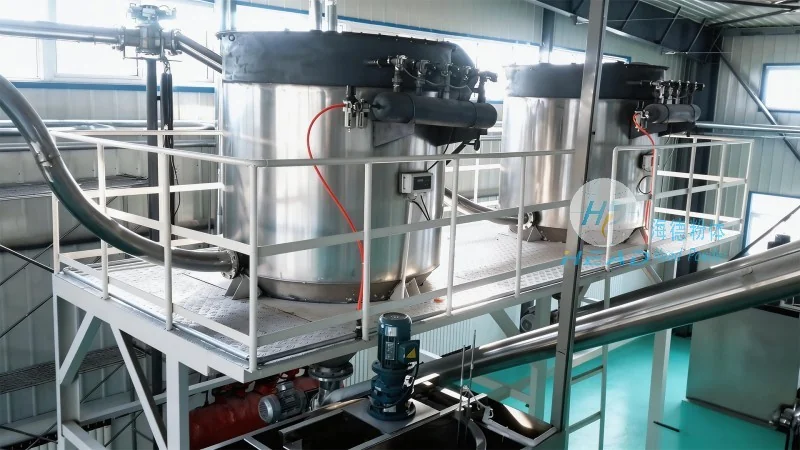
The fundamental working principle of powder pneumatic conveying involves the use of a pressurized air stream to transport solid particles. The process typically starts with a material feed hopper where the powder is introduced into the system. A compressor or blower generates the necessary air pressure, which then draws the material into the pipeline. The air and material mixture travels through the conveying line, with the velocity of the air stream determining the transport capacity and efficiency. The system may employ different modes of operation, such as dilute-phase or dense-phase conveying, depending on the material properties and required transport distance.
Key Characteristics of Powder Pneumatic Conveying Systems
Several distinct characteristics define the performance and suitability of powder pneumatic conveying systems for petrochemical applications. One primary characteristic is the ability to handle a wide range of particle sizes and densities, from fine powders to coarse granules. The systems are also designed to minimize material degradation, ensuring that the transported product maintains its physical and chemical properties. Another critical characteristic is the integration of safety features, including explosion-proof components and dust collection systems, which are essential in petrochemical environments where flammable or hazardous materials are present. Additionally, the systems offer flexibility in layout, allowing for horizontal, vertical, or complex multi-directional transport configurations.
Application-Specific Considerations for Petrochemical Environments
When implementing powder pneumatic conveying in petrochemical settings, several application-specific considerations must be addressed. The choice of conveying mode (dilute-phase vs. dense-phase) is influenced by factors such as material flow rate, pipeline length, and the need to prevent material segregation or degradation. For example, dilute-phase systems are often used for short-distance transport of fine powders, while dense-phase systems are preferred for longer distances or when handling abrasive materials. The selection of materials for system components, such as pipelines, valves, and hoppers, is critical to resist corrosion from chemicals and abrasion from the transported material. Furthermore, the integration of monitoring and control systems is essential to maintain consistent performance and detect any operational issues promptly.

Conclusion and Company Overview
The effective implementation of powder pneumatic conveying systems in the petrochemical industry relies on a combination of advanced engineering, robust design, and adherence to safety standards. Shandong HeadPowder Engineering Co., Ltd., a leading provider in this field, specializes in the design, manufacturing, and installation of customized pneumatic conveying solutions tailored to the unique requirements of petrochemical facilities. With a focus on innovation and quality, the company ensures that its systems deliver reliable, efficient, and safe material transport, contributing to the overall operational efficiency of petrochemical plants. Based in China, the company leverages its expertise to address the diverse challenges faced by the petrochemical sector, providing solutions that meet both technical and regulatory demands.